
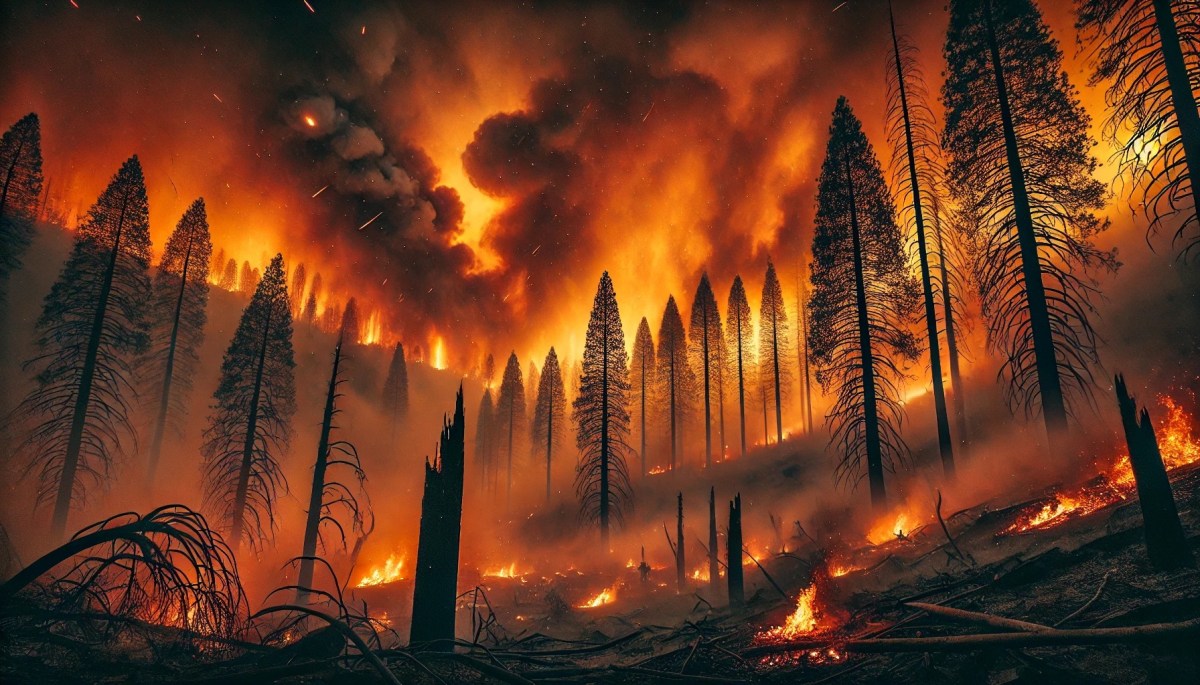
The California wildfires are a haunting reminder of the fragility of human life and the immense power of nature. As towering flames consume homes, forests, and livelihoods, debates rage on: Are these wildfires evidence of a changing climate, or do they signify a deeper spiritual reckoning—a punishment from God for humanity’s transgressions?

This post contains affiliate links. If you purchase through these links, I may earn a small commission at no extra cost to you. Thank you for your support.
The Scale of Devastation
In the past year alone, California has endured its worst wildfire season on record. The blazes have scorched millions of acres, displacing thousands of families, destroying critical infrastructure, and leaving an indelible scar on the state’s landscape. The air quality has deteriorated across the region, affecting neighboring states, while the firefighting efforts stretch resources to their limits. Entire communities have been reduced to ash, and the toll on wildlife and ecosystems is immeasurable.
The immediate human impact is heart-wrenching. Families have lost their homes, and entire towns have been wiped off the map. Relief organizations report that shelters are overflowing, and resources like clean water, food, and medical aid are scarce. For those directly affected, the road to recovery is daunting, often taking years or even decades.

Climate Change or Divine Punishment?
Scientists and environmentalists argue that climate change is a key driver behind the increasing frequency and intensity of wildfires. Rising global temperatures, prolonged droughts, and reduced snowpacks create the perfect conditions for fires to spread uncontrollably. Human activities, such as deforestation and urban sprawl, exacerbate the situation, making these disasters more destructive.
On the other hand, some interpret these calamities through a spiritual lens, suggesting that the wildfires are a form of divine punishment for moral or societal failings. This perspective often draws on biblical narratives, where fire and destruction are symbols of judgment. While this viewpoint may offer solace or clarity to some, it risks oversimplifying the complex interplay of environmental, societal, and economic factors that contribute to such disasters.

The Hard Road Ahead
For those affected, the months ahead will be fraught with challenges. The immediate need for shelter, food, and emotional support is immense, but the long-term process of rebuilding homes, communities, and lives is even more daunting. Insurance claims and federal aid can take months to materialize, leaving families in a precarious position.
However, history offers hope. After devastating events like the Camp Fire in 2018, which destroyed the town of Paradise, California, communities have shown remarkable resilience. Recovery is possible, but it requires a concerted effort from individuals, governments, and organizations.

International and Neighboring Support
The wildfire crisis has spurred neighboring states and countries into action. Canada, for example, has sent firefighting crews and equipment to assist in containing the blazes. Mexico has also offered aid, providing resources to help with evacuations and logistical support. These collaborative efforts underscore the global nature of the climate crisis and the need for unity in the face of such challenges.
A Call for Reflection and Action
Whether one views the California wildfires as a consequence of climate change, a spiritual reckoning, or a combination of both, one thing is certain: action is needed. This is a time to reflect on humanity’s role in shaping the environment and to work towards sustainable solutions that mitigate the risks of future disasters. At the same time, it is a moment for compassion, as we come together to support those whose lives have been upended by this catastrophe.
The fires may be extinguished, but their impact will linger. By addressing the root causes and fostering a sense of global solidarity, we can honor those affected and strive for a better, more resilient future.

 Chonsview Media