
🎤 A Night with “EቶORIKA / ETORIKA” — Teddy Afro’s Defining Masterpiece

There are moments as a writer when you don’t just listen—you witness. Last night was one of those moments. I stayed up deep into the silence of the night, headphones on, distractions gone, fully committed to absorbing the latest work from Teddy Afro. This wasn’t casual listening. This was intentional. Reflective. Almost spiritual.

From the very first track of EቶORIKA / ETORIKA, I could tell this album demanded more than a surface-level review. It asked for patience. It asked for memory. It asked for honesty. Teddy’s music has always carried weight, but this project feels different—it feels like a culmination of years of experience, pressure, resistance, and unwavering love for Ethiopia.

As the night stretched into early morning, I realized I wasn’t just reviewing an album—I was engaging with a cultural document, a sonic testimony of a nation in motion.


🇪🇹 Echoes of 2012 — When “Tikur Sew” Became a National Soundtrack

Listening to this album transported me instantly back to 2012, during my visit to Addis Ababa. It was the era of Tikur Sew—and to call it popular would be an understatement. It was omnipresent.

The streets breathed that album.

From the moment you stepped into a taxi, to the cafés buzzing with conversation, to the quiet corners of neighborhoods—Teddy’s voice was there. It wasn’t just music playing in the background; it was the soundtrack of a nation reconnecting with its history and identity.

One memory stands above the rest: a large wedding I attended during that trip. The atmosphere was electric—joyful, proud, deeply Ethiopian. And throughout the entire celebration, Teddy Afro’s music carried the emotion of the crowd. People didn’t just dance—they felt every lyric.

Songs like Africaye stood out to me in a powerful way. His reggae fusion—my personal favorite—felt both global and deeply rooted. It had that rare ability to speak to the African diaspora while staying authentically Ethiopian.

Teddy’s musical range is part of his genius:

  • 🎶 Traditional Ethiopian arrangements rooted in centuries of culture
  • 🎸 Reggae influences that connect Africa to the Caribbean
  • 🎤 Contemporary sounds that resonate with younger generations
  • 🪘 Instrumentation that preserves identity while evolving sound

And then, as if the universe wanted to seal that memory, I briefly encountered him and his wife Amleset Muchie at Flirt Lounge in Bole. It wasn’t a long interaction—but it didn’t need to be. There was a calm confidence about him, a quiet awareness of his role. Amleset carried the same grace. It felt like meeting not just artists—but representatives of something much bigger.


🌍 The Man Behind the Message

Born Tewodros Kassahun, Teddy Afro’s journey is one of purpose. From a young age, he showed signs of artistic brilliance, but what truly set him apart was his commitment to meaning.

He didn’t chase trends—he built narratives.

His music has always centered around:

  • 🇪🇹 Ethiopian identity and unity
  • 📜 Historical consciousness
  • 🕊️ Peace and reconciliation
  • ⚖️ Social awareness and justice

Unlike many artists, Teddy doesn’t separate art from responsibility. For him, music is a platform—a way to educate, awaken, and unify.


⚖️ Sacrifice, Resistance, and Unwavering Voice

That commitment has not come without consequence.

During the era of Meles Zenawi, Teddy faced imprisonment—an experience that many believe was closely tied to the influence and content of his music. It was a defining moment, not just for him, but for Ethiopian artists as a whole.

Where others may have softened their message, Teddy became more focused.

His resilience turned him into more than a musician:

He became a symbol of artistic courage.


🌟 A Global Icon, Rooted at Home

Today, Teddy Afro stands at the pinnacle of Ethiopian music. His concerts are not just performances—they are gatherings of identity.

Across cities like:

  • Washington D.C.
  • London
  • Toronto

Ethiopians gather in massive numbers, not just to hear music—but to reconnect with their roots.

And yet, despite global recognition, Teddy has remained grounded in Ethiopia. His loyalty is not performative—it’s lived.


✍🏾 Language as Power — The Art of Amharic Expression

One of Teddy’s most extraordinary gifts is his mastery of Amharic. He doesn’t simply write lyrics—he constructs meaning with precision.

His use of language allows him to:

  • Capture complex political and social realities
  • Deliver layered messages that reveal more over time
  • Speak directly to the emotional state of the people

Every word feels intentional. Every line feels earned.


🚫 The Silence Before the Storm

Leading up to the release of EቶORIKA / ETORIKA, tension was already building.

Reports indicated that Teddy was denied the opportunity to hold a press conference. The reasoning was telling—there were concerns that his words could inspire peaceful public disobedience.

Think about that for a moment.

An artist, restricted—not for violence, but for the potential influence of his message.

That alone reveals the magnitude of his voice.


🔥 “Das Tal (Ansaw)” — A Song That Speaks Without Fear

Among the many powerful tracks on this album, Das Tal (Ansaw) stands as a centerpiece.

This is not subtle music. This is direct.

In the song, Teddy addresses the realities facing Ethiopia under Abiy Ahmed. He speaks of division, of conflict, of promises that have not been fulfilled.

But more importantly, he calls for unity.

He speaks to:

  • Oromo
  • Tigrayan
  • Amhara

Not as separate groups—but as one people.

He warns against silence. Against division. Against a future where Ethiopians are “eaten one by one.”

The message is clear:

Ethiopia must not be divided and “eaten one by one.”

He reflects on how leadership rose with messages of love and unity—but instead has overseen conflict across regions, including ongoing suffering in Amhara and Oromo areas.

And then comes a moment that transcends music:

🇪🇹 The Call to Raise the Flag

Teddy calls on Ethiopians to raise the historic green, gold, and red flag—the one carried during the Battle of Adwa. A flag representing resistance, pride, and independence. A flag of dignity.

He questions how something so sacred could become forbidden—how holding that flag today can be treated as a crime.

It is one of the most powerful symbolic statements in modern Ethiopian music.


💔➡️❤️ A Nation in Sync — From Pain to Hope

What makes this album truly extraordinary is its emotional reach.

Ethiopians across the world are experiencing this music together:

  • Listening
  • Reflecting
  • Mourning
  • Hoping

There is a shared understanding—a collective emotional alignment that is rare to witness.

For those of us who deeply love Ethiopia, who understand its beauty and its struggles, this album feels like both a release and a rallying point.


🏆 A Personal Reflection — And a Bold Claim

After spending hours with EቶORIKA / ETORIKA, I can say this without hesitation:

This may be Teddy Afro’s greatest work.

Not only within his own catalog—but potentially among all Ethiopian musical works to date.

It is complete. It is fearless. It is necessary.


⚠️ Courage in the Face of Uncertainty

With such a powerful message comes real concern.

What happens next?

Ethiopia today faces:

  • Conflict in Amhara and Oromo regions
  • Political prisoners and crackdowns
  • Economic and social instability

In this climate, releasing an album like this is not a small act—it is a risk.

Teddy had options. He could have left. He could have released this project from abroad—from the U.S. or Europe.

But he chose to stay.

In Addis Ababa.
With his family.
With his people.

That decision transforms this album from art into artistic resistance.


🙏🏾 Gratitude, Respect, and a Moment in History

To Teddy Afro, his band, and every contributor behind EቶORIKA / ETORIKA:

Respect. Gratitude. Honor.

This is more than music.

This is legacy.

This is courage.

This is love for a nation expressed in its purest form.

And no matter what unfolds from here:

History has already been made.

Teddy Afro has given Ethiopians something timeless—
a voice, a mirror, and a gift that will echo for generations to come.

Thank you for taking the time to read and connect with this work—it truly means more than words can express. Your support keeps the vision alive.

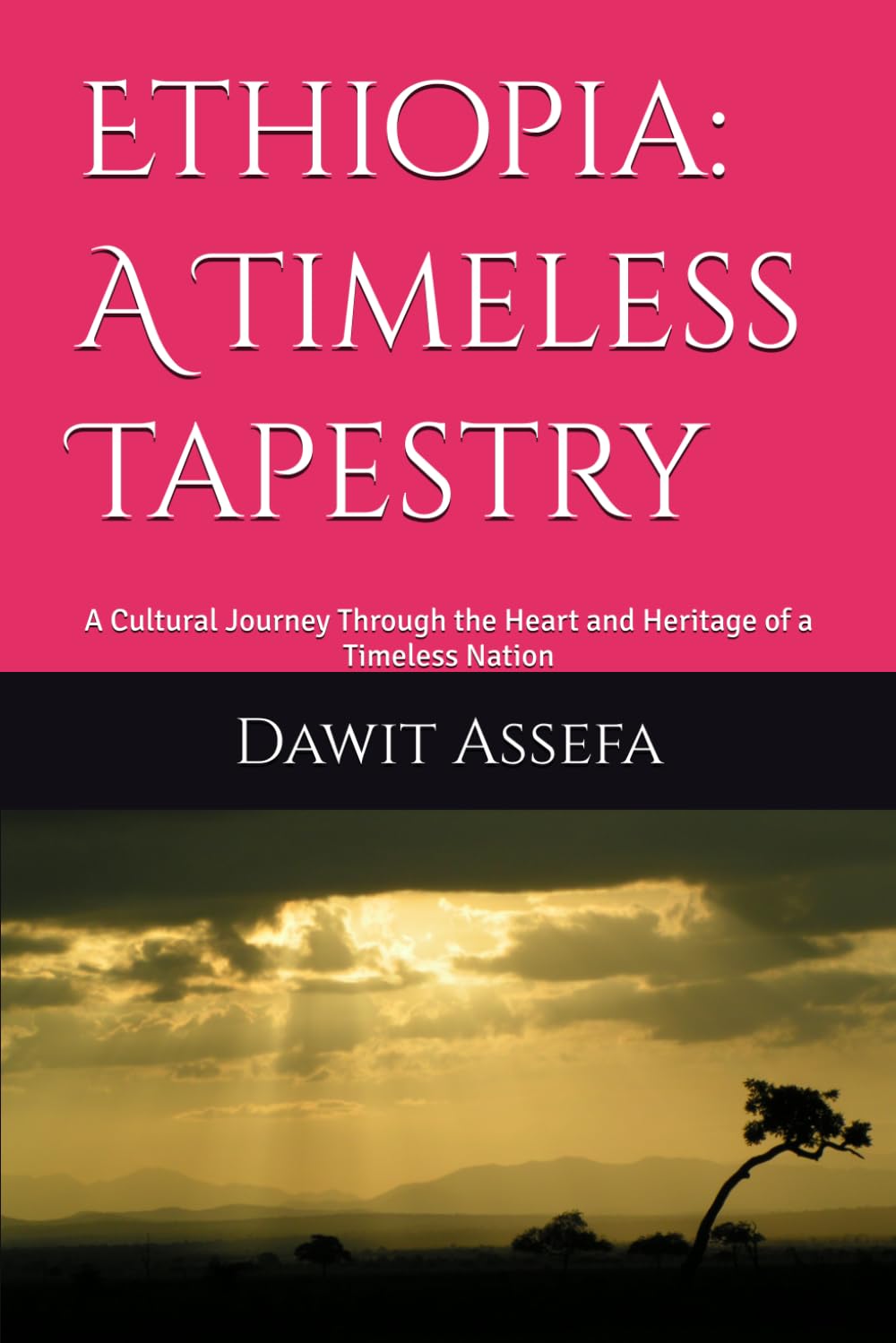
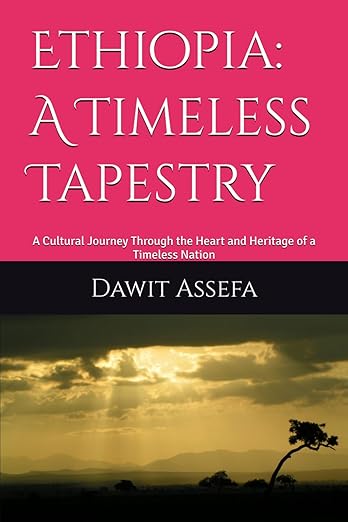
If you enjoyed this piece, I invite you to check out my book “Ethiopia: A Timeless Tapestry” on Amazon. Your support there goes a long way in helping me continue telling powerful stories about Ethiopia and its people.

Also, feel free to support Chonsview Media across all platforms. Every follow, share, and engagement helps amplify a greater mission—celebrating the beauty, history, and strength of Ethiopia while promoting a future rooted in unity and prosperity.

Together, we can continue to uplift the voice of a nation and inspire a united and thriving Ethiopia for all. 💚💛❤️✊🏿

One-Time
Monthly
Yearly

Make a one-time donation

Make a monthly donation

Make a yearly donation

Choose an amount

C$5.00
C$15.00
C$100.00
C$5.00
C$15.00
C$100.00
C$5.00
C$15.00
C$100.00

Or enter a custom amount

C$

Your contribution is appreciated.

Your contribution is appreciated.

Your contribution is appreciated.

DonateDonate monthlyDonate yearly

A Glimpse Into Ethiopia: A Timeless Tapestry

A stunning sunrise casts golden light over mist-filled valleys and green terraces.

There are stories we inherit, stories we discover, and stories we choose to carry forward. Ethiopia: A Timeless Tapestry was born from all three. As I wrote this book, I wasn’t just documenting history — I was walking through the echoes of my ancestors, listening to the rhythms of a land that has shaped civilizations, inspired movements, and held its identity with unshakable pride. This book is my attempt to bring that world to you, page by page, in a way that feels alive, intimate, and deeply human.


Ethiopia is not simply a country; it is a living archive of human possibility. From the ancient stones of Aksum to the soaring modern achievement of the Grand Ethiopian Renaissance Dam, Ethiopia’s story stretches across millennia with a rare continuity. In this book, I wanted readers to feel that continuity — to sense how the past breathes through the present, how traditions evolve without losing their soul, and how a nation can remain timeless even as it transforms.


As you journey through the chapters, you’ll encounter the civilizations that laid Ethiopia’s foundations, the spiritual traditions that shaped its moral compass, the music that carried its joys and sorrows, and the landscapes that have witnessed every chapter of its unfolding story. You’ll meet artists, warriors, saints, innovators, and everyday people whose lives form the threads of this tapestry. My goal was not just to inform, but to immerse — to let you feel Ethiopia’s heartbeat.


This book is also a celebration of resilience. Ethiopia has faced challenges that could have fractured lesser nations, yet it continues to rise, redefine itself, and inspire the world. Whether through the victory of Adwa, the endurance of its languages, or the global influence of its diaspora, Ethiopia’s story is one of unwavering strength. I wanted readers to see that strength not as a historical footnote, but as a living force that continues to shape the future.
Writing Ethiopia: A Timeless Tapestry was a deeply personal journey for me. As a father, I wrote with my daughter in mind — with the hope that she, and children like her, will grow up knowing the richness of their heritage. As a storyteller, I wrote with the intention of bridging generations, connecting those who know Ethiopia intimately with those discovering it for the first time. And as an Ethiopian, I wrote with pride, gratitude, and a sense of responsibility to honor the beauty of my culture.


If you’ve ever been curious about Ethiopia — its history, its people, its music, its food, its faith, its victories, its mysteries — this book is for you. If you’ve ever wanted to understand why Ethiopia holds such a unique place in the world’s imagination, this book will show you. And if you simply love stories that uplift, inspire, and expand your sense of wonder, you’ll find plenty within these pages.


I invite you to explore Ethiopia: A Timeless Tapestry on Amazon and experience the journey for yourself. It is more than a book — it is a tribute, a celebration, and an invitation to see Ethiopia through the eyes of someone who loves it deeply. I hope it inspires you, moves you, and leaves you with a renewed appreciation for one of the world’s most extraordinary cultures.

Mama Ethiopia ~ New Ethiopian Music 2026

Mama Ethiopia

Mama Ethiopia lives in the heart of every child she has ever sent out into the world, and this new Chonsview Media release is a tribute to that unbreakable bond. The song tells the story of an Ethiopian by origin who left home in search of opportunity, stability, and a better life—yet no matter how far he travels, his spirit keeps returning to the mountains, the music, the people, and the warmth of the motherland. It’s a reminder that Ethiopia is not just a place on a map; it’s a feeling, a memory, a heartbeat that never fades.

I invite you to listen and watch this new piece of music with open hearts. Let it reconnect you to the pride, beauty, and love we all carry for Ethiopia—whether you live in Addis, the diaspora, or anywhere in between. This is more than a song; it’s a homecoming, a call to remember where we come from, and a celebration of the mother who shaped us.

Mama Ethiopia, you stay on my mind
I’m losing my focus, I’m losing my mind
They say I am winning but I’m left behind
The road is so long but I’m trying to find
My way back to you, yeah (to you)
I’m shaking for home, I’m losing my mind…..

One-Time
Monthly
Yearly

Make a one-time donation

Make a monthly donation

Make a yearly donation

Choose an amount

C$5.00
C$15.00
C$100.00
C$5.00
C$15.00
C$100.00
C$5.00
C$15.00
C$100.00

Or enter a custom amount

C$

Your contribution is appreciated.

Your contribution is appreciated.

Your contribution is appreciated.

DonateDonate monthlyDonate yearly

Ethiopia’s Triumph at Adwa: A Global Symbol of Resistance

The victory of Adwa stands as one of the most consequential moments in modern African and global history. It was a rare and resounding defeat of a European colonial power by an African nation at the height of the Scramble for Africa, and its impact reverberated far beyond Ethiopia’s borders. Ethiopia’s triumph on March 1, 1896, reshaped international perceptions of African sovereignty, inspired liberation movements worldwide, and cemented Ethiopia’s place as a symbol of resilience and unity.

The Battle and Its Immediate Consequences

The Battle of Adwa brought the First Italo‑Ethiopian War to a decisive close. Ethiopian forces, drawn from diverse regions and led by Emperor Menelik II, defeated the invading Italian army in the northern town of Adwa. This victory secured Ethiopia’s independence at a time when nearly the entire African continent had been partitioned by European powers following the Berlin Conference. Italy’s defeat forced it to recognize Ethiopia as a sovereign state, making Ethiopia one of the few African nations to maintain its independence during the colonial era. This outcome was not only a military achievement but a diplomatic and political milestone that reshaped Ethiopia’s modern identity.

A Global Symbol of Anti‑Colonial Resistance

Adwa quickly became more than a national triumph. It emerged as a global symbol of anti‑colonial resistance and a beacon of hope for oppressed peoples across Africa and the diaspora. The victory demonstrated that European imperial expansion was not inevitable and that African nations could assert their sovereignty through unity, strategy, and determination. Pan‑African leaders, intellectuals, and activists—from the Caribbean to the United States—looked to Ethiopia as proof that colonial domination could be challenged. This symbolic power endured for generations, influencing independence movements throughout the 20th century.

Inspiration for Africa and the Diaspora

The legacy of Adwa continues to inspire. UNESCO Peace Center leadership has emphasized that the victory ignited hope across Africa and remains a shared legacy for people of African descent worldwide. It stands as a defining symbol of unity, sovereignty, and the collective struggle for freedom. Communities around the world, including in the United Kingdom and across the diaspora, commemorate Adwa Victory Day as a reminder of the strength that comes from solidarity and the enduring relevance of Ethiopia’s example. ethiopiantribune.com

Enduring Lessons for Today

Adwa’s significance extends into the present. It highlights the power of national unity—Ethiopians from diverse ethnic and regional backgrounds fought side by side, demonstrating that collective purpose can overcome even the most formidable challenges. This unity remains a guiding principle for Ethiopia as it navigates contemporary social and political complexities. The victory also reinforces Ethiopia’s longstanding role as a cultural, political, and historical anchor on the global stage. As one of the world’s oldest civilizations and a nation that resisted colonization, Ethiopia continues to hold a unique place in global consciousness.

A Closing Reflection

As we honor this historic triumph, may the spirit of Adwa remind us of Ethiopia’s profound contributions to world history—its resilience, its cultural richness, and its unwavering commitment to sovereignty. Happy Adwa Victory Day, and may we continue to recognize Ethiopia’s global importance, shaped by its remarkable past and its enduring influence on the world.

Thank you so much for supporting my channel! Please check out my Amazon affiliate links below. If you choose to shop through them, I may earn a small commission at no extra cost to you. Your support helps me keep creating more content, and I truly appreciate it Best sellers on Amazon at the moment https://amzn.to/3MPWz0n https://amzn.to/4rCttAA https://amzn.to/4rC6XYz https://amzn.to/4kYkWWg Best Promo codes (50% off) on Amazon for almost anything you want. https://amzn.to/4aAC1lA https://amzn.to/4aArmr8 https://amzn.to/3P2Jrpd

Happy New Year!

Happy New Year to the Chonsview Media family 🎉✨ As we step into a new year, I want to sincerely thank every one of you for your support, engagement, and belief in this platform. Chonsview Media was built to tell meaningful stories through photography, visual art, music, and writing—stories that inform, inspire, and spark deeper conversations about history, culture, spirituality, justice, and the world we share. Your presence here gives that purpose life, and I’m truly grateful for the community we’re building together. In the year ahead, expect more intentional content, stronger storytelling, and bold creative work that continues to elevate truth, beauty, and important voices. May this new year bring you clarity, discipline, growth, and peace in all you pursue. Thank you for walking this journey with Chonsview Media—your support truly makes a difference. Wishing you a powerful, creative, and fulfilling New Year 🤍📸

One-Time
Monthly
Yearly

Make a one-time donation

Make a monthly donation

Make a yearly donation

Choose an amount

C$5.00
C$15.00
C$100.00
C$5.00
C$15.00
C$100.00
C$5.00
C$15.00
C$100.00

Or enter a custom amount

C$

Your contribution is appreciated.

Your contribution is appreciated.

Your contribution is appreciated.

DonateDonate monthlyDonate yearly

The Timeless Power of Discipline: The Bridge Between Dreams and Achievement

By Chonsview Media

Throughout history, discipline has stood as one of humanity’s most revered virtues — a force that shapes kings and scholars, warriors and artists, dreamers and doers alike. Long before modern motivational talks and productivity apps, ancient civilizations understood that without discipline, talent fades, dreams stall, and purpose drifts away.

In the words of Aristotle, “We are what we repeatedly do. Excellence, then, is not an act but a habit.” This timeless truth captures the essence of discipline — the consistent, often quiet commitment to doing what must be done even when comfort whispers otherwise.


Ancient Wisdom: How Civilizations Viewed Discipline

Across cultures and eras, discipline was considered sacred — a spiritual and moral practice, not just a mental exercise.

  • In Ancient Egypt, discipline was seen as maat — living in harmony with truth, balance, and order. Egyptian scribes and builders worked with precision and patience, knowing that mastery required endurance and respect for process.
  • In Greece, philosophers like Socrates and Plato taught self-control (sophrosyne) as a foundation for wisdom and virtue. To govern oneself was the first step toward governing anything else.
  • In Eastern philosophy, Confucius emphasized discipline through ritual, respect, and moral conduct, while Buddhist teachings focused on disciplined mindfulness — taming the wandering mind through meditation.
  • In African traditions, elders taught discipline as the essence of community life — respect for elders, consistency in work, and mastery of one’s impulses were seen as keys to harmony and success.
  • In Ethiopia, discipline was tied to both faith and identity. From fasting and prayer cycles to the relentless endurance of farmers and warriors, discipline was not only about personal success but about spiritual growth and resilience in the face of hardship.

Every culture knew that discipline is the bridge between vision and victory.


Why Discipline Matters Today

In our modern world filled with distractions, instant gratification, and endless noise, discipline is more vital than ever. Success — whether in art, business, health, or personal growth — rarely happens overnight. It is the result of small, intentional actions repeated daily.

Discipline provides:

  • Focus: It keeps you anchored to your priorities.
  • Consistency: It transforms fleeting motivation into lasting momentum.
  • Resilience: It strengthens your ability to keep going through challenges.
  • Freedom: Ironically, structure creates liberty — when you control your habits, you control your destiny.

Without discipline, even the most talented person will fall short of their potential. But with discipline, ordinary people can achieve extraordinary things.


How to Practice and Master Discipline

Developing discipline isn’t about perfection — it’s about persistence. Here are proven ways to cultivate and sustain it:

  1. Start Small and Stay Consistent
    Big goals can overwhelm you. Begin with simple, manageable habits — waking up earlier, reading a few pages daily, or dedicating 15 minutes to a creative pursuit. Small wins build momentum.
  2. Create a Clear Routine
    Discipline thrives in structure. Design a daily or weekly routine that supports your priorities. The more predictable your schedule, the less energy you waste on indecision.
  3. Set Clear, Measurable Goals
    Know why you’re doing what you do. Write down your goals and revisit them often. Clarity creates motivation, and motivation fuels discipline.
  4. Embrace Discomfort
    Growth lives beyond the comfort zone. Learn to welcome challenges and push through resistance — whether it’s physical, mental, or emotional. Each act of discipline strengthens your willpower.
  5. Limit Distractions
    Protect your focus. Turn off unnecessary notifications, set boundaries for social media, and create environments where your mind can stay centered.
  6. Hold Yourself Accountable
    Keep a journal, use reminders, or partner with someone who shares your vision. Accountability transforms intention into action.
  7. Rest and Reflect
    Discipline also means knowing when to pause. True mastery balances effort with renewal — allowing you to sustain your commitment for the long journey ahead.

The Gift of a Disciplined Life

When discipline becomes a way of life, it opens doors that talent alone cannot. It allows you to build, create, and grow steadily — to stand firm through storms, to fulfill promises, and to serve others with excellence.

As the ancient proverb says:

“He who masters himself is greater than he who conquers a city.”

Whether your goal is personal transformation, creative success, or spiritual growth, discipline is the silent partner that walks beside you on the road to greatness.


Final Thoughts

Thank you for reading and supporting Chonsview Media — a platform dedicated to art, reflection, and cultural insight. If this message inspired you, please consider using our affiliate links when shopping online. Your support helps us continue creating meaningful content that informs, uplifts, and connects people around the world.

Stay disciplined. Stay inspired.
– Chonsview Media

The Grand Ethiopian Renaissance Dam: Africa’s Power, Ethiopia’s Pride

The Grand Ethiopian Renaissance Dam (GERD)—Africa’s largest hydroelectric project—embodies Ethiopia’s spirit of self-reliance, unity, and resilience amid global pressure, regional tension, and historical transformation.

King Haile Selassie’s Vision: The Dream Before the Dam

Emperor Haile Selassie I — envisioning Ethiopia’s future through the power of the Nile, a vision that would inspire generations to build the Grand Renaissance Dam.

Long before the Grand Ethiopian Renaissance Dam became a reality, Emperor Haile Selassie I envisioned harnessing the mighty Nile to uplift Ethiopia and Africa. In the 1950s and 60s, he commissioned studies and surveys of the Blue Nile basin, declaring that the river’s power should serve its source — not only as a lifeline for others downstream, but as a tool for Ethiopia’s self-reliance, modernization, and dignity. His foresight reflected a deep understanding of the nation’s potential and Africa’s right to control its own natural wealth. Though global politics and limited resources delayed that dream, his vision lived on — inspiring generations of Ethiopians who would later rally behind what was once called Project X.

A Dream Called “Project X”

When the late Prime Minister Meles Zenawi first envisioned the Grand Ethiopian Renaissance Dam (GERD) in 2011, he called it Project X—a code name meant to keep it under wraps until Ethiopia was ready to announce it to the world. Few could have predicted that this ambitious vision would one day become Africa’s largest hydroelectric dam and one of the most symbolic projects in modern African history.

The idea was bold: harness the mighty Blue Nile, which begins in the Ethiopian highlands, to power not just Ethiopia’s future but the dreams of an entire continent. For generations, Ethiopia had watched its waters flow north to Egypt, bringing prosperity to others while millions of Ethiopians lived without electricity. Project X was about more than energy—it was about justice, sovereignty, and self-reliance.

The Birth of a Dream – Project X

Early stages of the Grand Ethiopian Renaissance Dam, once known only as Project X.

Built by the People, for the People

What made GERD truly historic was how it was funded. Knowing that foreign lenders would shy away due to political pressure, Ethiopia decided to build it with its own people’s money.
Ordinary citizens, farmers, students, business owners, and even members of the diaspora bought bonds, donated their savings, and contributed in countless ways. Taxi drivers displayed “Support the Dam” stickers, while schoolteachers organized fundraising drives. It became a unifying national mission—a statement that Ethiopians could finance their own development without external dependency.

A People’s Project – Built by Ethiopians for Ethiopians

Ethiopians from all walks of life contributed to GERD — through bonds, donations, and faith.


Blocked at Every Corner

Ethiopia’s independence in pursuing GERD came at a cost. Egypt, which depends on the Nile for over 90% of its freshwater, launched an extensive diplomatic campaign to halt the project.
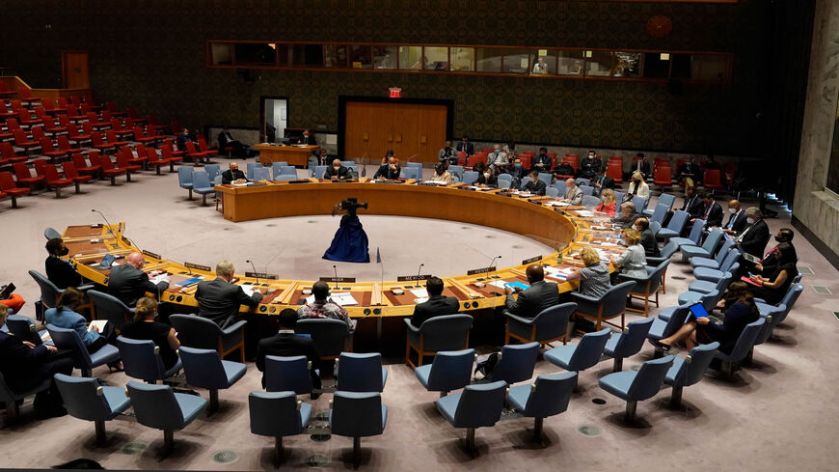
Citing colonial-era water treaties that excluded Ethiopia, Cairo lobbied major powers and financial institutions—the IMF, World Bank, and other donors—to deny Ethiopia any loans or grants for the dam. Egypt also took the dispute to the UN Security Council several times, framing the GERD as a regional security threat.

Despite this isolation, Ethiopia pressed on, determined to prove that African nations could fund and execute major projects on their own terms.

International Pressure and the US Role

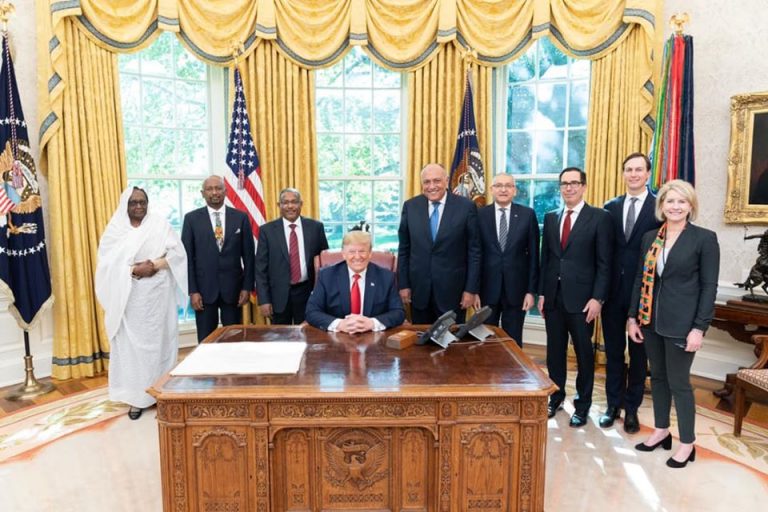
The GERD dispute reached global forums — from Washington to the UN Security Council.

Engineering a Modern Marvel

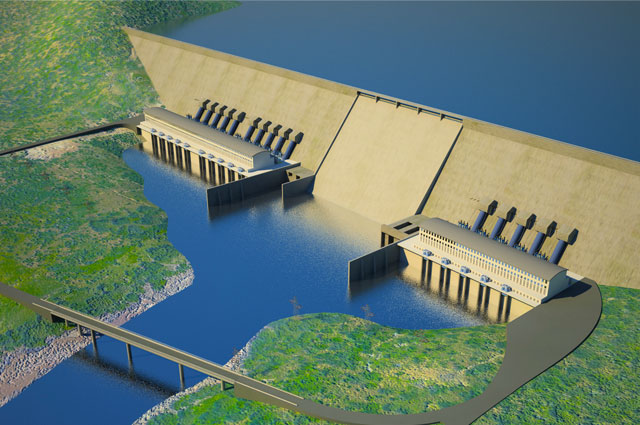
The Italian construction giant Salini Impregilo (now Webuild) was awarded the main contract for the project. Built on the Blue Nile in the Benishangul-Gumuz region near the Sudanese border, the dam stands 145 meters tall and stretches 1.8 kilometers wide. Once fully operational, GERD will generate over 6,000 megawatts of electricity—enough to power Ethiopia and export energy to neighboring countries.

The estimated cost of over $5 billion was covered almost entirely through domestic resources, a staggering feat for a developing country. But the road was far from smooth.

Engineering Excellence – Power and Promise

GERD stands tall on the Blue Nile — Africa’s largest hydroelectric dam.

Tension in the Nile Basin

For Egypt, the Nile is life itself. Its entire civilization depends on its annual flow, which originates mainly from Ethiopia. Egypt feared that GERD would reduce water availability downstream. Sudan, located between the two nations, held mixed positions—at times supporting GERD for its potential to regulate floods and provide cheaper electricity, and at other times expressing concern over water management.

Negotiations between the three countries have repeatedly stalled, with multiple rounds mediated by the African Union, the U.S., and other international bodies ending without lasting agreement.

A Tragic Turn: The Death of the Chief Engineer

The project also faced internal heartbreak. In July 2018, Engineer Simegnew Bekele, the lead project manager and a national hero, was found dead in his car at Meskel Square in Addis Ababa—just months after Abiy Ahmed became Prime Minister. His death shocked the nation and raised questions that remain unanswered. Simegnew had become a symbol of Ethiopia’s determination and technical pride, and his loss left a deep emotional scar on the national psyche.

The Tragic Loss of Engineer Simegnew Bekele

Chief Engineer Simegnew Bekele — a national hero remembered for his leadership and sacrifice.

U.S. Pressure and Trump’s Controversial Comments

International politics soon intensified the struggle. Under the Trump administration, the United States pressured Ethiopia to sign a deal that heavily favored Egypt. When Ethiopia refused, Trump infamously suggested during a public call that “Egypt might end up blowing up the dam.” His remark was condemned globally and viewed as reckless interference in African affairs.

During his later campaign, Trump repeated false claims about the dam’s impact, aligning again with Egypt’s narrative. The story took a darker turn when U.S. Senator Bob Menendez—long accused of acting in Egypt’s favor—was convicted on corruption charges for allegedly accepting bribes from Egyptian officials to influence U.S. foreign policy, including its stance on the GERD.

Tensions Over the Nile – Egypt, Sudan, and Ethiopia

Decades of tension over the Nile’s waters — Egypt, Sudan, and Ethiopia’s delicate negotiations.

A Triumph of Resilience

Against immense odds—political isolation, financial blockades, technical challenges, and even tragedy—Ethiopia completed GERD’s key construction phases. The dam has already begun partial power generation, marking a new era for Ethiopia and Africa. It represents not only energy independence but also a reclaiming of dignity.

Just as the Victory of Adwa (1896) symbolized Ethiopia’s triumph over colonial domination, the GERD stands as a modern symbol of African capability and unity. It shows that when a nation believes in itself, no amount of external pressure can dam the flow of its ambition.

Trials, Resilience, and the Road to Power Generation

Ethiopia’s resilience turned a vision into reality — powering millions and uniting a nation.

The Renaissance of a Continent

For Ethiopia, GERD means millions of homes lit for the first time, industries growing, and an economy propelled by clean energy. For Africa, it’s proof that development can come from within—financed, built, and owned by Africans.

The waters of the Blue Nile have always carried history. Today, they also carry hope—flowing not just to Egypt, but through the hearts of every Ethiopian who dared to dream and build the impossible.

A Symbol of African Sovereignty and Unity

GERD — a beacon of African self-reliance, as historic as the Victory of Adwa.

Final Note of Gratitude

Thank you for taking the time to read and reflect on this story of resilience, vision, and national pride. The Grand Ethiopian Renaissance Dam is not only a symbol of Ethiopia’s strength, but also a reminder of Africa’s potential when unity and purpose guide progress. Chonsview Media deeply appreciates your continued support and engagement with our work — your readership empowers us to create and share stories that matter. To help sustain our independent journalism and creative projects, we’ve included a few Amazon affiliate links within this article. By using them, you directly support our mission at no extra cost to you. Together, we can continue shining light on Africa’s journey toward progress, justice, and self-reliance.


Who Controls AI? Key Players and Influences

Artificial intelligence has evolved from theoretical concepts to a prevalent technology, marked by significant milestones and breakthroughs, particularly in recent years. Its control remains concentrated among major tech firms and governments, raising concerns over data privacy, economic impact, and environmental sustainability. Future scenarios depend on governance and societal choices regarding regulation and ethical use.

Artificial intelligence is a technology that feels both brand-new and ancient. It seems new because recent generative models exploded into public life in just a few years. It seems ancient because people have imagined “thinking machines” for centuries. Below I give a single, readable tour. This includes the origin story and who builds and governs AI. It also covers what happens to the data and who’s winning today. Additionally, it explores what the futures, both good and bad, look like for people, nature, and the wider universe.


1) When, where and how AI was first developed — a short timeline

Short takeaway: AI grew from theoretical ideas (Turing) into an organized research field at Dartmouth in 1956. It then evolved through symbolic systems and neural-network revivals. Finally, AI entered the current era driven by large datasets and specialized compute.


2) Why it was developed — motives and drivers


3) Who controls AI today?

Control is distributed and layered:

  • Big technology companies (U.S. and China primarily) — the largest models, cloud infrastructure, and chips are concentrated in a handful of firms (examples: OpenAI, Google/DeepMind, Microsoft, Meta, Anthropic, Baidu, Huawei). These companies control the most capable models, the data center capacity, and commercial distribution channels. Market incentives and access to capital make them central gatekeepers. Rest of World+1
  • Governments and regulators — they control legal access, procurement, and safety requirements. National strategies, including funding, export controls, and data rules, shape who can effectively build and deploy high-end AI. Different countries pursue different mixes of industrial policy and regulation (U.S., EU, China, etc.). The White House+1
  • Academia and open-source communities — universities, labs, and open-source groups drive core research. They make knowledge public. However, cutting-edge system training often requires private compute budgets. This requirement limits full parity with industry labs. Wikipedia

Net effect: control is concentrated where capital, compute, and data meet — i.e., large companies and states — but research and open communities still influence architectures and norms.


4) What happens to the data that AI platforms collect?

Data flows and uses are central to how modern AI works, and they raise legal, ethical, and practical issues.

  • Collection and storage. Platforms collect user queries, uploaded content, telemetry, and large swathes of public web content. Companies store this data for quality-improvement, training, safety monitoring, and product development. Some have explicit opt-in/opt-out settings; others change policies over time. (Example: Anthropic recently updated policies to use user chats for training unless users opt out). WIRED
  • Model training. Large models are trained or fine-tuned on aggregated datasets. This can include public posts, licensed data, and, in some cases, user interactions. Regulators in some regions have challenged or limited such uses when users were not informed or consent wasn’t adequate. For example, regulators in Brazil and parts of Europe have scrutinized certain uses of personal data. They have also blocked some uses for model training. TIME+1
  • Privacy risks and leakage. Models can unintentionally memorize and reproduce sensitive information; that risk is real when training data contains personal or private content. That creates legal issues under privacy regimes (GDPR, national laws) and technical challenges for differential privacy, data minimization, and auditing. TrustArc+1
  • Commercialization and derivatives. Companies can monetize derivative outputs, build products on top of user data, or license models to customers. Data can also be used for targeted advertising, profiling, and other commercial applications. That raises questions about consent, ownership, and fair compensation for content creators.
  • Regulatory response. Regulators are actively developing rules governing data use for AI (e.g., the EU AI Act guidance, national data-protection rulings), and courts and privacy authorities have begun issuing orders and penalties in some cases. European Data Protection Board+1

Bottom line: Data collected by AI platforms is stored. It is reused and often repurposed for training and product improvement. This practice has regulatory and privacy consequences. It is actively contested and evolving.


5) Who is benefiting the most right now?

Winners today cluster into several groups:

  1. Infrastructure and chip makers (first-order beneficiaries). Companies that produce GPUs, TPUs, and data-center gear, such as NVIDIA, AMD, and cloud providers, have seen massive demand. This is because large models require specialized compute. Financial analysts identify chip and infrastructure suppliers as major beneficiaries. Morgan Stanley
  2. Big tech platforms and cloud providers. The firms that can host, sell, and integrate models include Microsoft, Google, Amazon, Meta, and OpenAI partnerships. They monetize AI through cloud services and productivity tools. They also enhance advertising improvements and offer enterprise solutions. Rest of World+1
  3. Investors and AI-focused startups. Venture capital and investors are putting money into startups that offer narrow AI solutions. These include sectors like health tech and back-office automation. Many sectors are receiving AI-enabled investment boosts. These sectors include healthcare, legal, customer support, and finance. For example, a large share of health-tech funding has recently gone to AI-focused companies. World Health Expo+1
  4. Organizations that can deploy AI at scale. Large enterprises with data and integration capacity benefit from AI. Banks, retailers, and hospital networks see productivity gains. They can extract value faster than small players.
  5. Researchers and citizens (indirectly). There are big public benefits too. These include new scientific tools, faster drug discovery workflows, and accessibility improvements. However, these benefits are diluted by concentration and access barriers.

Short answer: The biggest short-term beneficiaries are those who own the compute, data, and distribution channels. These include chip manufacturers, cloud providers, and major tech companies. Furthermore, investors are funneling capital into AI-enabled sectors.

6) Predicted futures — plausible scenarios

No single prediction is certain; instead think in scenarios that combine technical progress, policy, and societal choices.

A. Augmentation & productivity boom (optimistic mainstream)

  • AI becomes a ubiquitous assistant for knowledge work, research, and creativity. It accelerates productivity and lowers costs. It unlocks new services like personalized education and earlier disease detection. Economic growth rises, new classes of jobs emerge, and many routine tasks are automated. Benefits are large but uneven unless policies (retraining, redistributive measures) are put in place.

B. Concentration & inequality (likely if current trends continue)

  • Value concentrates in a few firms/countries that control the most advanced models and infrastructure. This produces powerful incumbents, winner-take-most markets, and political strains. Without strong governance, inequality (wealth and bargaining power) may increase.

C. Regulatory fragmentation & geopolitics

  • Different regulatory regimes (EU precautionary rules, U.S. innovation-first, China strategic control) produce fragmented standards, data localization, and supply-chain decoupling. That could slow some innovation but also spur national AI stacks and security competition. Artificial Intelligence Act+1

D. Safety and misuse risks

  • Advanced models, if unconstrained, could be misused for fraud, disinformation, or automated cyber-attacks. They could also pose risks in rare catastrophic scenarios like biotech misuse or infrastructure sabotage. Governments and firms are already building monitoring and disclosure rules to reduce such risks. Recent laws (e.g., new transparency/safety measures in California) show policy is moving fast. Reuters+1

E. Environmental & resource constraints

  • Continued growth in model sizes and deployment means increased electricity and water demand for data centers. This raises sustainability concerns. These concerns persist unless compute gets dramatically more efficient or powered by green energy. Research shows training and operating large generative models has a non-trivial carbon and water footprint. MIT News+1

7) Pros and cons — the tradeoffs for humanity, nature and (broadly) the universe

Pros for humanity

  • Productivity and innovation: automation of repetitive work, faster scientific discovery, medical diagnostics, and better personalized services.
  • Access & inclusion: language translation, assistive technologies, and democratized tools can increase access to knowledge and services.
  • Solving complex problems: better climate models, optimized logistics, and improved resource allocation can help tackle big challenges.

Cons for humanity

Pros for nature

  • Optimized resource use: AI can reduce waste (smart grids, precision agriculture), help model ecosystems, and design greener systems.
  • Climate science: faster modelling and simulations can improve climate predictions and adaptation strategies.

Cons for nature

  • Energy & water consumption: Large-scale AI compute increases energy demand. It also raises cooling water needs. If powered by fossil fuels, this raises emissions. There is growing evidence of significant carbon footprints tied to training and deploying large models. Institute of Energy and the Environment+1

Pros for the wider universe (philosophical/long-term)

  • Knowledge acceleration: AI could expand scientific discovery (astronomy, materials) at rates humans alone can’t, unlocking new capabilities.
  • Longevity & health: improved biomedical research might extend healthy lifespans.

Cons for the wider universe (ethical/philosophical)

  • Existential risk (speculative): some thinkers worry about long-run scenarios where superintelligent systems misalign with human goals. While debated, this risk motivates governance, safety research, and international coordination.
  • Irreversible environmental damage: if energy and resource use spike unchecked, long-term planetary limits could be stressed.

8) What to watch and what society should do

  • Transparency and data rights. Demand clearer policies about how chat logs, uploads and public content are used for training. Opt-in/opt-out mechanisms and strong data-protection enforcement matter. Recent company and regulatory moves make this a front-line issue. WIRED+1
  • Regulation that balances safety and innovation. Laws like the EU AI Act and recent state-level safety disclosure laws illustrate evolving policies. They include risk-based rules, safety reporting, and standards for high-impact systems. Coordination across countries is crucial to avoid fragmentation while protecting rights. Artificial Intelligence Act+1
  • Energy and environmental standards. Track data-center power sourcing and efficiency improvements. Determine whether AI providers commit to green energy or carbon offsets. Without these measures, the environmental cost will rise. MIT News+1
  • Public investment in capabilities for the public good. Governments can fund open research, public-interest models, and “third-stack” infrastructure. This funding reduces dependence on a few firms. It also helps to democratize access. Brookings

9) Final, practical takeaway

AI is neither an automatic utopia nor an unavoidable catastrophe. It is a multipurpose technology. Its impact will be decided by who builds it. It also depends on who governs it and who benefits from it. Additionally, how we manage its environmental and social costs will play a role. Right now, control and profits tilt toward a few large firms and wealthy nations. Data practices are in flux and undergoing legal scrutiny. Environmental costs are real and growing. The best path ahead requires smart regulation. It needs public investment. We need transparency about data and safety. Technological effort is essential to make AI more efficient. It also needs to be more equitable.


Sources and further reading (selected)

  • History and origins: Coursera / Wikipedia overview. Coursera+1
  • Who controls AI / geopolitics: Rest of World analysis; Brookings on technology stacks. Rest of World+1
  • Data and privacy: Wired on Anthropic policy change; EDPB opinion on data protection and AI. WIRED+1
  • Beneficiaries & investment trends: Morgan Stanley and healthcare/VC coverage. Morgan Stanley+1
  • Regulation & governance: EU AI Act developments; California SB 53; U.S. executive actions. Artificial Intelligence Act+2Reuters+2
  • Environmental impact: MIT coverage and academic analyses of model carbon footprints. MIT News+1

I want to thank you for being part of this community. If you’re in the mood for some shopping, don’t miss the Amazon affiliate links. They are attached to this blog. From top-rated home essentials to self-care favorites, you find something perfect for the season. (As an Amazon Associate, I earn from qualifying purchases.)

Buy Now Check out everything on Amazon that’s

Thanks for reading Chonsview blog today. Your support is highly appreciated.

Amhara Culture and Resistance: A Tribute to Ethiopia’s Backbone

Introduction

The Amhara people, one of Ethiopia’s largest and most historically significant ethnic groups, have played a central role in shaping the nation’s identity, governance, language, literature, and spiritual traditions. Despite their monumental contributions, they face a growing existential threat in modern Ethiopia. This blog aims to introduce the cultural richness, regional diversity, and the ongoing resistance of the Amhara people—highlighting the vibrant traditions of Gondar, Gojam, Wollo, and Shewa—while also addressing the political and demographic struggles faced especially in Addis Ababa.


The Amhara Identity: Shared Roots, Distinct Regions

While united by language (Amharic), Orthodox Christianity, and shared historical values, the Amhara are not monolithic. Each region possesses distinct styles of dress, music, dialect, and traditional customs.

1. Wollo

  • Culture & Style: Wollo is known for its unique fusion of Christian and Muslim traditions. Traditional clothing includes elegant white cotton dresses with intricate embroidery and colorful scarves (ነጠላ) for women, while men wear long shirts (ጦብ) and shawls.
  • Spiritual Significance: Home to many Orthodox monasteries and Muslim shrines, Wollo symbolizes religious coexistence.
  • Current Struggles: Wollo towns like Dessie and Kombolcha have been frontline battlegrounds in recent conflicts, with local Fano fighters emerging as protectors of their communities.

2. Shewa

  • Culture & Style: As the political heartland, Shewa showcases a mix of traditional and modern attire. Women wear white dresses with blue and red borders. Men often dress in military-style uniforms today to symbolize their active resistance.
  • Historical Role: Home to many of Ethiopia’s emperors including Menelik II, Shewa has influenced national governance, education, and diplomacy.
  • Addis Ababa Influence: Though the capital is a melting pot, Shewa-origin Amhara have historically shaped the city’s development. Today, they face forced gentrification and political targeting.

3. Gondar

  • Culture & Style: Known for regal, golden embroidery, and deep-blue and red garments. Gondar women adorn themselves with elaborate jewelry and traditional braided hairstyles.
  • Spiritual & Historical Significance: Gondar is Ethiopia’s medieval capital, with churches like Debre Berhan Selassie symbolizing Ethiopian Orthodoxy.
  • Resistance Role: Gondar remains a bastion of the Fano movement. Youths have taken up arms to defend their people and cultural heritage.

4. Gojam

  • Culture & Style: Famous for dignified, pastoral styles—long robes for men and flowing dresses for women. Deep connection to the land is reflected in agricultural motifs.
  • Spiritual Strength: Monasteries like Gishen Mariam are pilgrimage sites.
  • Defensive Pride: Gojam Amhara are recognized for their fierce defense and strong community cohesion.

Addis Ababa: Changing Demographics & Erased History

Once a symbol of pan-Ethiopian unity, Addis Ababa has seen systematic efforts to change its demographic makeup. Longtime Amhara and other non-Oromo residents face displacement, exclusion from city planning, and erasure of cultural landmarks. Yet, the contributions of Amhara elites, artists, diplomats, and academics have built the city’s very foundation.


Faith, Resistance, and Resilience

The Amhara people, deeply spiritual and rooted in Orthodox Christianity—with growing evangelical and Islamic minorities—view their resistance as a sacred duty. Churches have become sanctuaries and rallying points, while prayers and fasting accompany armed defense in rural and urban areas.

The Fano movement, primarily made up of young men and women, symbolizes both cultural preservation and resistance against ethnic federalism and targeted violence.


Literature, Music & Legacy

From the classical poetry of Tsegaye Gebre-Medhin to the revolutionary songs of Teddy Afro, Amhara voices have defined Ethiopian literature and music. Their stories are filled with pain, hope, resistance, and divine connection.


Conclusion: A Call to Reclaim the Narrative

For decades, the Amhara have been falsely labeled as oppressors while being simultaneously marginalized and attacked. Today, their culture is under threat, their people displaced or massacred, and their contributions erased.

This blog stands as a tribute to their enduring spirit. It is time to reverse the narrative, document the truth, and advocate for peace, justice, and dignity for the Amhara people—pillars of Ethiopia and protectors of its soul.

One-Time
Monthly
Yearly

Make a one-time donation

Make a monthly donation

Make a yearly donation

Choose an amount

C$5.00
C$15.00
C$100.00
C$5.00
C$15.00
C$100.00
C$5.00
C$15.00
C$100.00

Or enter a custom amount

C$

Your contribution is appreciated.

Your contribution is appreciated.

Your contribution is appreciated.
DonateDonate monthlyDonate yearly

Operation Unity: The Imminent Victory of Fano

In the heart of Ethiopia, a new dawn is rising. The Fano freedom fighters, the guardians of the Amhara people, have launched an unprecedented offensive under the banner of “Operation Unity.” This historic movement, spanning across the four Amhara regions, is proving to be a game-changer in the struggle against Abiy Ahmed’s brutal regime. With unity now at the core of the military wing of Fano, Ethiopians both at home and in the diaspora are witnessing a moment of great hope and resurgence.

For years, the Amhara people have endured systemic oppression, genocide, and the destruction of their communities. What began as a struggle for survival has transformed into a movement of national liberation. The resistance that started with ordinary patriots from Gojjam, Wollo, Gondar, and Shewa has evolved into a force of unity, strength, and resilience—now recognized as the beacon of hope for all Ethiopians suffering under the oppressive regime.

The recent successes of Fano’s military operations have demonstrated their ability to stand firm against tyranny. They have reclaimed vital positions, weakened the enemy’s strongholds, and given a voice to the silenced. Their courage is a testament to the unwavering spirit of the Ethiopian people who refuse to be ruled by oppression. However, while the military front is marching in step, the political factions of Fano are still working to solidify their ideological and strategic unity. The nation waits, hopeful, knowing that the complete unification of Fano—both militarily and politically—is imminent.

The importance of this unity cannot be overstated. It is the final piece needed to ensure not just military victory, but a lasting and just peace for Ethiopia. The people are watching, waiting, and believing. The devastation of war, economic collapse, and social disarray have touched every Ethiopian, making this struggle not just an Amhara cause but a national one. Fano’s rise represents the collective will of all Ethiopians who yearn for a free, fair, and stable nation.

To the supporters of Fano, the message is clear: Victory is within reach. The sacrifices made, the battles fought, and the lives lost will not be in vain. The unity we have longed for is closer than ever, and soon, the world will witness the official unification of Fano in all aspects. This is not just a war for the Amhara people—it is a fight for Ethiopia, for justice, and for a future where all ethnic groups can coexist in dignity and peace.

Let this be a time of patience and strength. Let this be a time where we stand behind Fano, knowing that the final chapter of this struggle is being written in the blood and courage of those who refuse to bow. The resistance has transformed from a mere fight for survival into a movement for true liberation.

Fano’s unity is coming. Ethiopia’s freedom is near. Victory is not just possible—it is inevitable.

Stay strong. Stay united. The dawn of a new Ethiopia is upon us.

One-Time
Monthly
Yearly

Make a one-time donation

Make a monthly donation

Make a yearly donation

Choose an amount

C$5.00
C$15.00
C$100.00
C$5.00
C$15.00
C$100.00
C$5.00
C$15.00
C$100.00

Or enter a custom amount

C$

Your contribution is appreciated.

Your contribution is appreciated.

Your contribution is appreciated.

DonateDonate monthlyDonate yearly