
Amhara Culture and Resistance: A Tribute to Ethiopia’s Backbone

Introduction

The Amhara people, one of Ethiopia’s largest and most historically significant ethnic groups, have played a central role in shaping the nation’s identity, governance, language, literature, and spiritual traditions. Despite their monumental contributions, they face a growing existential threat in modern Ethiopia. This blog aims to introduce the cultural richness, regional diversity, and the ongoing resistance of the Amhara people—highlighting the vibrant traditions of Gondar, Gojam, Wollo, and Shewa—while also addressing the political and demographic struggles faced especially in Addis Ababa.


The Amhara Identity: Shared Roots, Distinct Regions

While united by language (Amharic), Orthodox Christianity, and shared historical values, the Amhara are not monolithic. Each region possesses distinct styles of dress, music, dialect, and traditional customs.

1. Wollo

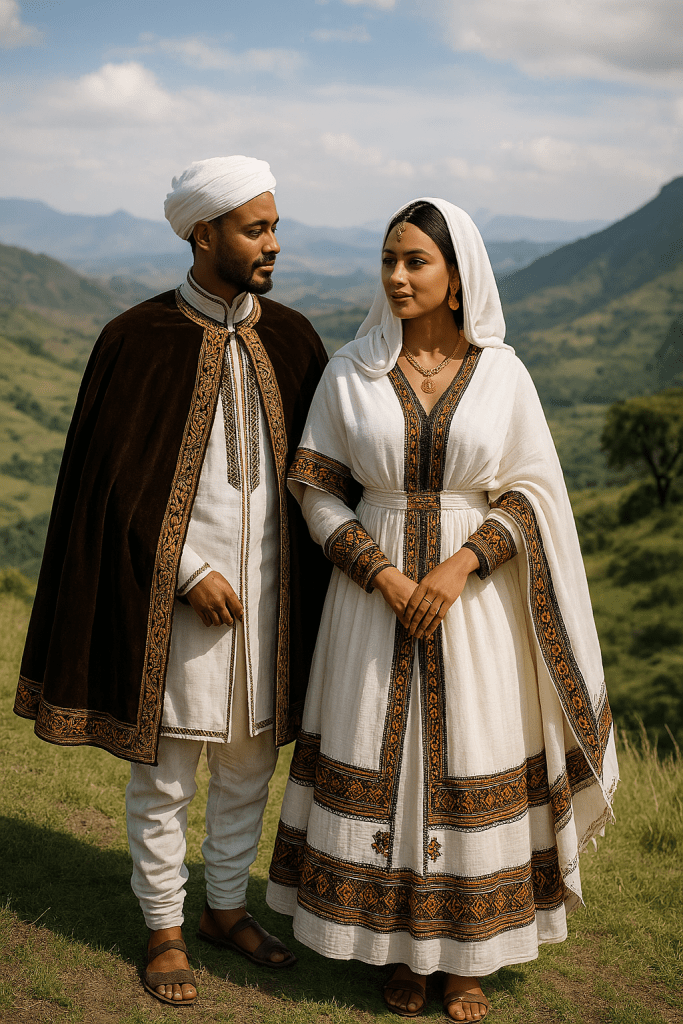
  • Culture & Style: Wollo is known for its unique fusion of Christian and Muslim traditions. Traditional clothing includes elegant white cotton dresses with intricate embroidery and colorful scarves (ነጠላ) for women, while men wear long shirts (ጦብ) and shawls.
  • Spiritual Significance: Home to many Orthodox monasteries and Muslim shrines, Wollo symbolizes religious coexistence.
  • Current Struggles: Wollo towns like Dessie and Kombolcha have been frontline battlegrounds in recent conflicts, with local Fano fighters emerging as protectors of their communities.

2. Shewa

  • Culture & Style: As the political heartland, Shewa showcases a mix of traditional and modern attire. Women wear white dresses with blue and red borders. Men often dress in military-style uniforms today to symbolize their active resistance.
  • Historical Role: Home to many of Ethiopia’s emperors including Menelik II, Shewa has influenced national governance, education, and diplomacy.
  • Addis Ababa Influence: Though the capital is a melting pot, Shewa-origin Amhara have historically shaped the city’s development. Today, they face forced gentrification and political targeting.

3. Gondar

  • Culture & Style: Known for regal, golden embroidery, and deep-blue and red garments. Gondar women adorn themselves with elaborate jewelry and traditional braided hairstyles.
  • Spiritual & Historical Significance: Gondar is Ethiopia’s medieval capital, with churches like Debre Berhan Selassie symbolizing Ethiopian Orthodoxy.
  • Resistance Role: Gondar remains a bastion of the Fano movement. Youths have taken up arms to defend their people and cultural heritage.

4. Gojam

  • Culture & Style: Famous for dignified, pastoral styles—long robes for men and flowing dresses for women. Deep connection to the land is reflected in agricultural motifs.
  • Spiritual Strength: Monasteries like Gishen Mariam are pilgrimage sites.
  • Defensive Pride: Gojam Amhara are recognized for their fierce defense and strong community cohesion.

Addis Ababa: Changing Demographics & Erased History

Once a symbol of pan-Ethiopian unity, Addis Ababa has seen systematic efforts to change its demographic makeup. Longtime Amhara and other non-Oromo residents face displacement, exclusion from city planning, and erasure of cultural landmarks. Yet, the contributions of Amhara elites, artists, diplomats, and academics have built the city’s very foundation.

Faith, Resistance, and Resilience

The Amhara people, deeply spiritual and rooted in Orthodox Christianity—with growing evangelical and Islamic minorities—view their resistance as a sacred duty. Churches have become sanctuaries and rallying points, while prayers and fasting accompany armed defense in rural and urban areas.

The Fano movement, primarily made up of young men and women, symbolizes both cultural preservation and resistance against ethnic federalism and targeted violence.


Literature, Music & Legacy

From the classical poetry of Tsegaye Gebre-Medhin to the revolutionary songs of Teddy Afro, Amhara voices have defined Ethiopian literature and music. Their stories are filled with pain, hope, resistance, and divine connection.


Conclusion: A Call to Reclaim the Narrative

For decades, the Amhara have been falsely labeled as oppressors while being simultaneously marginalized and attacked. Today, their culture is under threat, their people displaced or massacred, and their contributions erased.

This blog stands as a tribute to their enduring spirit. It is time to reverse the narrative, document the truth, and advocate for peace, justice, and dignity for the Amhara people—pillars of Ethiopia and protectors of its soul.

One-Time
Monthly
Yearly

Make a one-time donation

Make a monthly donation

Make a yearly donation

Choose an amount

C$5.00
C$15.00
C$100.00
C$5.00
C$15.00
C$100.00
C$5.00
C$15.00
C$100.00

Or enter a custom amount

C$

Your contribution is appreciated.

Your contribution is appreciated.

Your contribution is appreciated.

DonateDonate monthlyDonate yearly
The Role of the Ethiopian Orthodox Tewahedo Church in the Victory of Adwa

The Ethiopian Orthodox Tewahedo Church, one of the oldest Christian institutions in the world, played a pivotal role in the Battle of Adwa. Its influence extended far beyond the spiritual realm, deeply intertwining with Ethiopia’s cultural, social, and political fabric. The Church’s involvement in the battle was not merely symbolic; it was a testament to its central role in uniting Ethiopians and inspiring them to defend their faith, land, and sovereignty.

Buy Now

Spiritual Guidance and Moral Support

The Ethiopian Orthodox Tewahedo Church has always been a cornerstone of Ethiopian identity. For centuries, it has served as a unifying force, bringing together people from diverse ethnic and linguistic backgrounds under a shared faith. During the lead-up to the Battle of Adwa, the Church provided spiritual guidance and moral support to the Ethiopian people and their leaders.

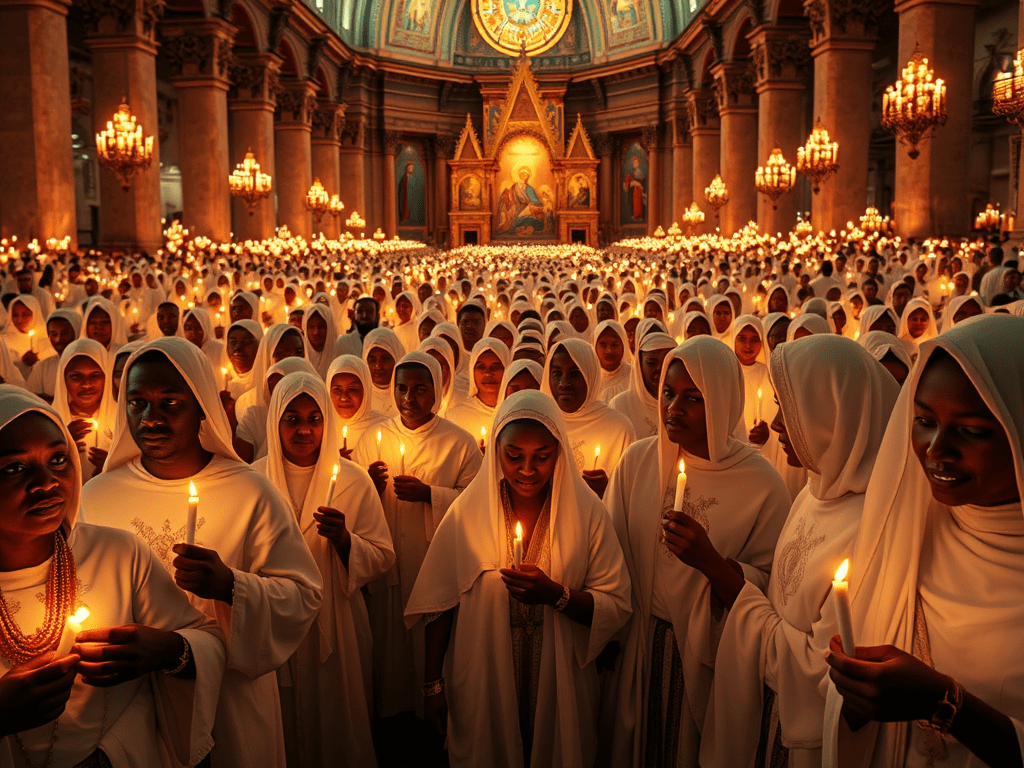
Priests and monks across the country held prayer vigils, fasted, and conducted religious ceremonies to seek divine intervention for Ethiopia’s victory. The Church’s leaders emphasized that the fight against Italian colonialism was not just a political struggle but also a spiritual one. They framed the battle as a holy war, a defense of Christianity and Ethiopian sovereignty against foreign invaders. This spiritual framing galvanized the Ethiopian warriors, many of whom saw themselves as soldiers of God fighting for a righteous cause.

Buy Now

The Church as a Unifying Force

One of the most remarkable aspects of the Battle of Adwa was the unity it fostered among Ethiopians. The Ethiopian Orthodox Church played a crucial role in this unity. At a time when Ethiopia was a patchwork of regional kingdoms and ethnic groups, the Church provided a common identity and purpose. It transcended ethnic and linguistic differences, reminding Ethiopians of their shared heritage and faith.

The Church’s teachings emphasized the idea of “ኢትዮጵያ ታበጽሕ እግዚአብሔር” (Ityopiya tabetsih Egziabher)—”Ethiopia stretches her hands unto God”—a phrase derived from Psalm 68:31 in the Bible. This idea of Ethiopia as a nation chosen by God to uphold Christianity in Africa resonated deeply with the people and fueled their determination to resist colonization.

Buy Now

The Role of Clergy in the Battle

The involvement of the Church was not limited to prayers and sermons. Many members of the clergy actively participated in the battle. Priests and monks joined the ranks of the Ethiopian army, carrying crosses and religious icons into the battlefield. They blessed the warriors and encouraged them to fight with courage and faith.

One notable figure was Abune Matewos, the Archbishop of the Ethiopian Orthodox Church at the time. He played a key role in rallying support for the war effort and ensuring that the Church’s resources were mobilized to aid the army. The Church also provided logistical support, including food, shelter, and medical care for the warriors.

Buy Now

The Ark of the Covenant and Divine Protection

The Ethiopian Orthodox Church’s unique connection to the Ark of the Covenant also played a symbolic role in the Battle of Adwa. According to Ethiopian tradition, the Ark, which is believed to house the original Ten Commandments, is kept in the Church of St. Mary of Zion in Axum. The presence of the Ark in Ethiopia has long been a source of spiritual pride and a symbol of divine favor.

During the battle, many Ethiopians believed that the Ark’s spiritual power protected them and ensured their victory. This belief further strengthened their resolve and instilled a sense of invincibility among the warriors. The idea that God was on their side gave them the courage to face a better-armed and technologically superior enemy.

Buy Now

The Church’s Role in Preserving Ethiopian Identity

The victory at Adwa was not just a military triumph; it was also a cultural and spiritual one. The Ethiopian Orthodox Church played a crucial role in preserving Ethiopia’s unique identity in the face of external threats. By framing the battle as a defense of Christianity and Ethiopian heritage, the Church ensured that the victory was seen as a divine affirmation of Ethiopia’s special place in history.

After the battle, the Church continued to play a central role in Ethiopian society. It preserved Ethiopia’s ancient traditions, including its liturgical language, Ge’ez, and its rich heritage of religious art, music, and literature. The Church’s monasteries and churches became repositories of knowledge and culture, safeguarding Ethiopia’s history for future generations.

Buy Now

The Church’s Legacy in Modern Ethiopia

Today, the Ethiopian Orthodox Church remains a vital institution in Ethiopia, deeply respected by millions of Ethiopians. Its role in the Battle of Adwa is remembered with pride and gratitude. The Church’s ability to unite people across ethnic and regional lines during the battle serves as a powerful reminder of the importance of unity in the face of adversity.

However, the Church has faced challenges in recent years, particularly under the current government led by Prime Minister Abiy Ahmed. There have been reports of tensions between the government and the Church, as well as concerns about the erosion of Ethiopia’s cultural and religious heritage. Despite these challenges, the Church continues to be a source of strength and resilience for many Ethiopians.

Buy Now

Conclusion: A Testament to Faith and Unity

The Ethiopian Orthodox Church’s role in the Battle of Adwa is a testament to the power of faith and unity. By providing spiritual guidance, moral support, and practical assistance, the Church helped Ethiopians achieve a historic victory that continues to inspire people around the world. As we celebrate Black History Month and reflect on the legacy of Adwa, let us honor the Church’s contributions and remember the enduring spirit of a people who fought not just for their land but also for their faith and identity.

ኢትዮጵያ ታበጽሕ እግዚአብሔር!
Ityopiya tabetsih Egziabher!
Ethiopia stretches her hands unto God!

Buy Now

Support This Blog

This blog contains Amazon affiliate links. If you purchase through these links, I may earn a small commission at no extra cost to you. Your support helps me continue creating informative and meaningful content that celebrates Ethiopia’s rich history and culture. If you appreciate this work, consider shopping through the links or making a donation to help sustain independent storytelling. Thank you for being part of this journey in honoring our past and shaping our future!

The Vibrant Tradition of ጥምቀት (Epiphany) in Ethiopia: A Spiritual Treasure Under Threat

Ethiopia is a land of ancient history, diverse cultures, and deep spiritual traditions, with its Christian heritage standing as one of the most prominent aspects of its identity. Among its most celebrated religious events is ጥምቀት (Timket), or Epiphany, a festival that captures the hearts of millions of Ethiopian Orthodox Tewahedo Christians and draws the attention of global travelers. Beyond its spiritual significance, Timket serves as a symbol of unity, devotion, and cultural pride—a tradition that holds immense potential to elevate Ethiopia’s reputation on the world stage.

However, this vibrant tradition is unfolding under the shadow of tragedy. The ongoing conflict in the Amhara region and the targeted attacks on Ethiopia’s Orthodox Christian community endanger both the preservation of this sacred heritage and the lives of those devoted to it.

Buy Now

Chon

The Origins and Spiritual Importance of ጥምቀት

Timket commemorates the baptism of Jesus Christ by John the Baptist in the Jordan River, as described in the Bible (Matthew 3:13-17). It is a deeply spiritual celebration rooted in the Ethiopian Orthodox Tewahedo Church, which is one of the oldest Christian traditions in the world.

Timket begins on January 18th (ጥምቀት ከተራ, Eve of Epiphany) and culminates on January 19th (the Feast of Epiphany). The festival embodies the renewal of faith and the commemoration of baptism as a sacrament central to Christian life. Participants in ጥምቀት gather for processions, prayers, and rituals to reflect on their spiritual connection to Christ and their commitment to live in faith.

   Buy Now

The Grand Celebration in ጎንደር

While Timket is celebrated nationwide, the city of ጎንደር (Gondar) is home to the most elaborate and iconic celebration. Gondar, with its historic castles and profound Christian heritage, transforms into a spiritual and cultural hub during the festival.

The festivities begin with processions where Tabots—replicas of the Ark of the Covenant housed in Ethiopian Orthodox churches—are carried in colorful parades accompanied by hymns, prayers, and the joyful ululation of the faithful. At night, the Tabots are kept near bodies of water, symbolizing the Jordan River.

The highlight of Timket occurs on January 19th when worshippers gather at Fasilides’ Bath, a historic pool in Gondar, to witness the reenactment of Christ’s baptism. Priests bless the water, and believers immerse themselves to renew their own baptismal vows. The festival concludes with a return procession of the Tabots to their churches, marked by dancing, singing, and communal celebrations.

Buy Now

Chon

A Cultural and Tourism Opportunity

Timket is a unique spiritual and cultural phenomenon that attracts thousands of tourists annually, showcasing Ethiopia’s rich Christian heritage and the artistic beauty of its traditions. The intricate garments, ceremonial umbrellas, and ancient hymns are visual and auditory marvels that leave a lasting impression on visitors. Investing in Timket tourism could boost Ethiopia’s global profile, strengthen its economy, and preserve its cultural identity.

Conflict and Devastation in Amhara

Tragically, the Amhara region—a stronghold of Ethiopian Orthodox Christianity and home to iconic Timket celebrations—has been plagued by violence over the past 18 months. The Ethiopian government has been accused of launching devastating attacks, including drone strikes, on civilian populations in Amhara, destroying churches and vital infrastructure.

These assaults follow a devastating two-year war in Tigray that claimed over a million lives. In Oromia, massacres of Amharas and Orthodox Oromos further highlight the crisis facing Ethiopia’s Orthodox Christian community. The Ethiopian Orthodox Church, a symbol of spiritual resilience for centuries, is now a target of violence, threatening both its followers and its sacred traditions.

Buy Now

Chon

Raising Awareness for Ethiopia’s Spiritual Heritage

As the world learns of Timket’s spiritual and cultural importance, it must also understand the context in which it exists today. The international community, tourists, and cultural advocates can play a vital role in preserving Ethiopia’s heritage by supporting efforts to end violence and promote peace.

Visiting Ethiopia for Timket offers more than a glimpse into an extraordinary tradition; it provides an opportunity to stand in solidarity with a nation striving to preserve its faith, culture, and identity amidst adversity. Let us amplify the beauty of Timket and raise awareness about the challenges threatening this invaluable heritage.

Ethiopia’s Timket is not just a celebration; it is a beacon of faith and resilience—a treasure that deserves to shine in peace.

Thank you for taking the time to read and learn about the beautiful tradition of ጥምቀት and the challenges facing Ethiopia today. Your support means the world to me as I strive to share important stories through my platform. If you’d like to help, please consider checking out my Amazon affiliate links or donating directly through my website. Every contribution helps me continue creating meaningful content and raising awareness about vital cultural and humanitarian issues. Thank you! (As an Amazon Associate, I earn from qualifying purchases.)

Buy Now

Chon