Can Eskinder Nega Be Ethiopia’s Next Leader?

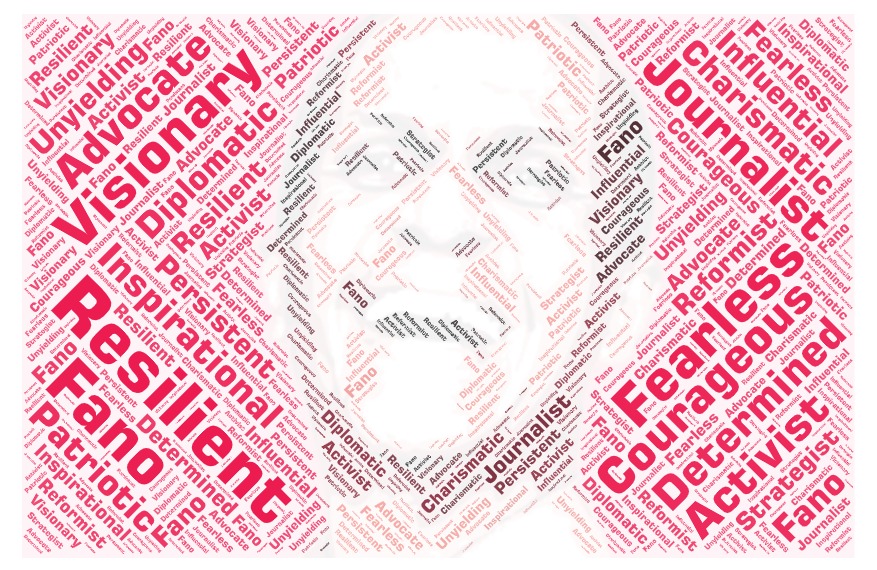
Eskinder Nega, a celebrated Ethiopian journalist, activist, and politician, has been a steadfast defender of human rights and democracy throughout his life. A prominent figure on the world stage, Eskinder has continually fought for justice, often at great personal cost. His journey from journalist to political activist, to now a leading figure in Ethiopia’s Fano movement, makes him one of the most compelling and courageous voices in Ethiopian politics today.

Early Life and Education

Born in Addis Ababa in 1966, Eskinder grew up in Ethiopia’s vibrant but politically turbulent capital. His family instilled in him a love for education and justice, values that would guide his life. Eskinder later pursued higher education in the United States, where he studied political science and journalism. This period in the U.S. gave him a global perspective and strengthened his commitment to human rights and free expression.

Eskinder eventually returned to Ethiopia, eager to contribute to his homeland’s media landscape. He co-founded and managed several independent newspapers, including Ethiopian Review and Satenaw. These publications became platforms for investigative journalism and outspoken criticism of governmental abuses. Unfortunately, his commitment to truth-telling made him a target of successive Ethiopian regimes, all of which sought to silence dissent.

Family and Life in Addis Ababa

Eskinder is a devoted husband and father. He is married to journalist and activist Serkalem Fasil, who has been a pillar of support throughout his career. The couple has one son, Nafkot, who was born while both Eskinder and Serkalem were imprisoned during Ethiopia’s oppressive anti-press campaigns in the mid-2000s. Despite the challenges of raising a child in the shadow of political persecution, Eskinder’s family has remained his anchor and inspiration.

Living in Addis Ababa, Eskinder was a central figure in Ethiopia’s political and intellectual circles. He founded the Balderas for Genuine Democracy party, aiming to address Addis Ababa’s governance issues and champion the rights of all Ethiopians. His leadership and activism earned him both local admiration and international recognition.

Hardships and Imprisonment

Eskinder has faced extraordinary hardships throughout his career. He was imprisoned multiple times under various governments, often accused of terrorism for his outspoken views. Most notably, he was arrested in 2011 under Ethiopia’s controversial anti-terrorism laws after he criticized the government’s suppression of dissent. Sentenced to 18 years in prison, Eskinder spent over six years behind bars before being released in 2018 as part of a general amnesty.

Despite these trials, Eskinder remained unbowed. Upon his release, he returned to activism, calling for genuine democracy and freedom of speech in Ethiopia. His resilience has cemented his reputation as a principled and fearless advocate for justice.

Achievements and High-Profile Connections

Eskinder’s achievements are numerous. In 2012, he was awarded the PEN/Barbara Goldsmith Freedom to Write Award in recognition of his courage and dedication to free expression. He has also been a nominee for prestigious international awards celebrating human rights defenders.

His influence extends beyond Ethiopia. Eskinder has cultivated relationships with international leaders and policymakers, including U.S. politicians like Senator Marco Rubio. Rubio, a former U.S. presidential candidate and a prominent voice on foreign policy, met with Eskinder to discuss Ethiopia’s political challenges and human rights abuses. These connections highlight Eskinder’s ability to engage with the global community and advocate for Ethiopia on the world stage.

The Fano Movement and Amhara Struggle

Eskinder’s leadership has reached new heights with his role in the Fano movement, a grassroots organization fighting for the rights of the Amhara people. In 2023, he founded the Amhara Popular Front to unite various factions and strengthen the resistance against what they see as marginalization and atrocities committed by Prime Minister Abiy Ahmed’s government.

Operating from Shewa in the Amhara region, Eskinder has been instrumental in mobilizing support and raising awareness of the Amhara people’s plight. Recently, the Fano group, under Eskinder’s leadership, has engaged with international organizations, including the African Union, the European Union, U.S. diplomats, and the Intergovernmental Authority on Development (IGAD). These discussions aim to expose alleged war crimes and articulate the Fano movement’s objectives, which include ensuring the survival, autonomy, and dignity of the Amhara people.

Challenges and Opportunities

Eskinder’s journey is not without challenges. Within the Fano movement, figures like Zemene Kassie represent alternative approaches to resistance, leading to internal debates over strategy and leadership. Additionally, the Ethiopian government has labeled Fano as a terrorist group, complicating its ability to garner international support.

However, Eskinder’s international reputation, resilience, and strategic vision give him a unique opportunity to reshape Ethiopian politics. With the new U.S. administration in place, there is potential for stronger international support for democratic movements in Ethiopia. Eskinder’s connections with global policymakers and organizations could prove pivotal in this regard.

A Game-Changing Moment for Ethiopia

As Ethiopia grapples with political and social upheaval, Eskinder Nega’s leadership represents a beacon of hope for many. His commitment to justice, his ability to unite diverse factions, and his tireless advocacy for human rights make him a transformative figure in Ethiopian politics.

Could Eskinder Nega become Ethiopia’s next leader? His track record suggests he has the vision, resilience, and support to guide the country toward a more inclusive and democratic future. With the Fano movement gaining momentum and international attention, this moment could mark a turning point in Ethiopia’s history.

Eskinder’s story is one of unwavering courage in the face of adversity. His journey from journalist to activist, to political leader, reflects the resilience and determination of the Ethiopian people. As the struggle continues, Eskinder Nega remains a symbol of hope and a potential catalyst for transformative change in Ethiopia.

Support Chonsview Media in its mission to inform, inspire, and create change through captivating content. Subscribe to the Chonsview Media YouTube channel for thought-provoking videos on important topics, and stay updated with in-depth blogs and visual stories by visiting the official website. Consider supporting our work through donations or subscribing to exclusive content—your contribution helps fuel our passion for impactful storytelling and advocacy. Together, we can elevate conversations and create a lasting impact.

The Ethiopian Flag: A Symbol of Freedom, Unity, and Legacy

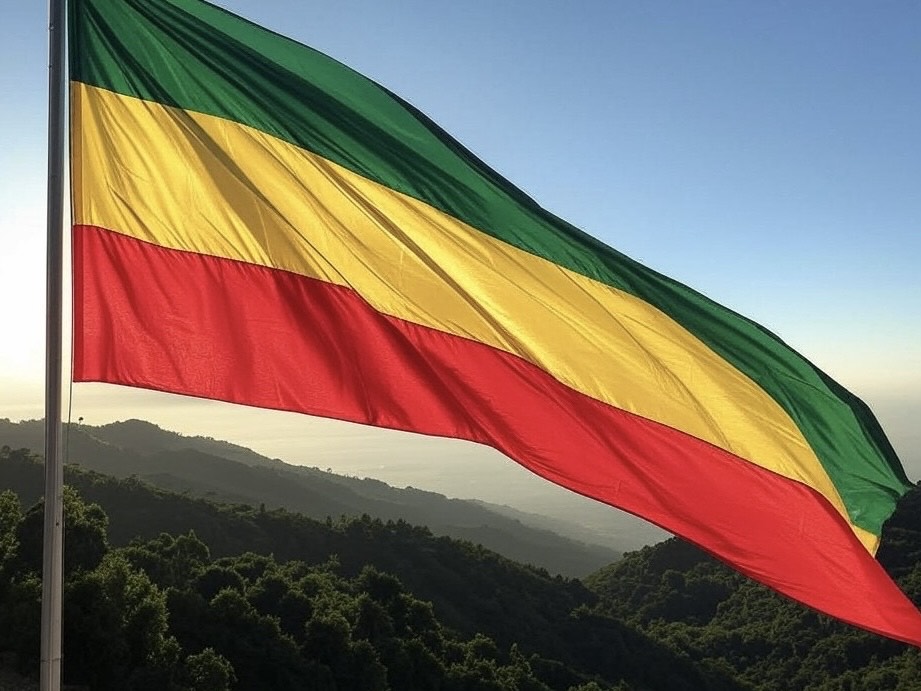
The Ethiopian flag, with its iconic green, gold, and red colors, is one of the most recognizable emblems in African and global history. Its significance extends beyond Ethiopia’s borders, symbolizing resistance against colonialism, freedom, and unity for Black people worldwide. The flag’s origins, its symbolic evolution, and its enduring legacy make it a subject of profound importance for Ethiopia, Africa, and the world at large.

Buy Now

Origins and the Battle of Adwa

The origins of the Ethiopian flag date back to the late 19th century. The tricolor design was officially adopted during the reign of Emperor Menelik II, who led Ethiopia to a historic victory at the Battle of Adwa in 1896. This victory marked the first time an African nation successfully defeated a European colonial power, cementing Ethiopia’s status as an uncolonized, sovereign state.

The green, gold, and red colors of the flag held deep symbolic meanings even then:

• Green represented the land’s fertility and the hope for prosperity.

• Gold symbolized the nation’s wealth and the spiritual richness of its people.

• Red stood for the sacrifices made to defend the nation’s sovereignty.

This flag became a beacon of hope for oppressed peoples across the world, showcasing Ethiopia as a land of resistance and independence in a colonized continent.

Buy Now

Chon

Symbol of Freedom and the Pan-African Movement

The Ethiopian flag’s influence expanded significantly in the 20th century, particularly with the rise of Pan-Africanism. The flag’s colors were adopted by numerous African nations during their independence movements, including Ghana, Senegal, and Cameroon, among others. These colors, collectively referred to as Pan-African colors, symbolized unity, resilience, and the shared struggle for liberation from colonial rule.

For the global Black community, Ethiopia represented a spiritual homeland, a place that had never been colonized and stood as a symbol of defiance against imperialism. This admiration culminated in the Rastafarian movement, which reveres Ethiopia as the promised land and Emperor Haile Selassie I as a divine figure. The Ethiopian flag became a central symbol of this movement, representing liberation, African identity, and spiritual connection.

Ethiopia’s Role and Modern Controversies

Despite its historical significance, the Ethiopian flag has also been a point of contention within the country. Ethnic nationalists, including Oromo and Tigray factions, have criticized the flag, associating it with alleged oppression by historical Ethiopian governments. These groups claim that the centralized Ethiopian state, under leaders like Haile Selassie and the Derg regime, marginalized their ethnic identities.

However, many of these accusations lack historical substantiation or fail to consider the complex and diverse nature of Ethiopia’s history. Rather than being a symbol of oppression, the Ethiopian flag historically united the nation in its fight against external threats and served as a rallying point for national pride and identity.

Buy Now

Chon

The Flag’s Evolution Over 100 Years

The Ethiopian flag has undergone several changes over the past century. During Emperor Haile Selassie’s reign, the Lion of Judah was prominently featured in the center, symbolizing Ethiopia’s Solomonic dynasty and Christian heritage. Under the Derg regime, the flag was stripped of the lion and redesigned to reflect the socialist government’s ideologies. The current flag features a blue star in the center, introduced in 1996, to signify diversity and unity.

These changes reflect the country’s shifting political landscapes, yet the core tricolor remains a constant, connecting Ethiopia’s past, present, and future.

The Flag and the Current Struggle

Today, the Ethiopian flag is once again a powerful symbol in the fight for freedom and sovereignty. The Fano Freedom Fighters, resisting the regime of Prime Minister Abiy Ahmed, have embraced the flag as a representation of Ethiopia’s unity and resilience. For these fighters and their supporters, the flag embodies the spirit of resistance against anti-Ethiopian policies and the preservation of the nation’s independence.

Buy Now

Chon

A Vision for Ethiopia and Africa

The Ethiopian flag is more than a national symbol; it is a pan-African icon representing the shared aspirations of freedom, unity, and progress. While Ethiopians may hold differing opinions about its symbolism, these differences can and should be resolved through democratic means. A nationwide referendum or inclusive dialogue could help foster a sense of ownership and shared pride in the flag.

However, at this critical juncture in Ethiopia’s history, the focus must remain on supporting the ongoing struggle for peace, freedom, and national unity. Ethiopia’s rich history, symbolized by the green, gold, and red, reminds us of the power of resilience and the importance of working together to rebuild a nation ravaged by conflict.

A Vision for Ethiopia and Africa

The Ethiopian flag stands as a testament to the country’s unique history, its role in inspiring global liberation movements, and its significance as a unifying force for Africans. By embracing the flag’s historical importance and prioritizing the fight for freedom and peace, Ethiopians can honor their shared heritage and work towards a brighter, more unified future for themselves and the continent as a whole.

Buy Now

Chon

Thanks for visiting Chonsview Media. Your support means the world to me as I strive to share important stories through my platform. If you’d like to help, please consider checking out my Amazon affiliate links or donating directly through my website. Every contribution helps me continue creating meaningful content and raising awareness about vital cultural and humanitarian issues. Thank you! (As an Amazon Associate, I earn from qualifying purchases.)

Buy Now

Chon

The Vibrant Tradition of ጥምቀት (Epiphany) in Ethiopia: A Spiritual Treasure Under Threat

Ethiopia is a land of ancient history, diverse cultures, and deep spiritual traditions, with its Christian heritage standing as one of the most prominent aspects of its identity. Among its most celebrated religious events is ጥምቀት (Timket), or Epiphany, a festival that captures the hearts of millions of Ethiopian Orthodox Tewahedo Christians and draws the attention of global travelers. Beyond its spiritual significance, Timket serves as a symbol of unity, devotion, and cultural pride—a tradition that holds immense potential to elevate Ethiopia’s reputation on the world stage.

However, this vibrant tradition is unfolding under the shadow of tragedy. The ongoing conflict in the Amhara region and the targeted attacks on Ethiopia’s Orthodox Christian community endanger both the preservation of this sacred heritage and the lives of those devoted to it.

Buy Now

Chon

The Origins and Spiritual Importance of ጥምቀት

Timket commemorates the baptism of Jesus Christ by John the Baptist in the Jordan River, as described in the Bible (Matthew 3:13-17). It is a deeply spiritual celebration rooted in the Ethiopian Orthodox Tewahedo Church, which is one of the oldest Christian traditions in the world.

Timket begins on January 18th (ጥምቀት ከተራ, Eve of Epiphany) and culminates on January 19th (the Feast of Epiphany). The festival embodies the renewal of faith and the commemoration of baptism as a sacrament central to Christian life. Participants in ጥምቀት gather for processions, prayers, and rituals to reflect on their spiritual connection to Christ and their commitment to live in faith.

   Buy Now

The Grand Celebration in ጎንደር

While Timket is celebrated nationwide, the city of ጎንደር (Gondar) is home to the most elaborate and iconic celebration. Gondar, with its historic castles and profound Christian heritage, transforms into a spiritual and cultural hub during the festival.

The festivities begin with processions where Tabots—replicas of the Ark of the Covenant housed in Ethiopian Orthodox churches—are carried in colorful parades accompanied by hymns, prayers, and the joyful ululation of the faithful. At night, the Tabots are kept near bodies of water, symbolizing the Jordan River.

The highlight of Timket occurs on January 19th when worshippers gather at Fasilides’ Bath, a historic pool in Gondar, to witness the reenactment of Christ’s baptism. Priests bless the water, and believers immerse themselves to renew their own baptismal vows. The festival concludes with a return procession of the Tabots to their churches, marked by dancing, singing, and communal celebrations.

Buy Now

Chon

A Cultural and Tourism Opportunity

Timket is a unique spiritual and cultural phenomenon that attracts thousands of tourists annually, showcasing Ethiopia’s rich Christian heritage and the artistic beauty of its traditions. The intricate garments, ceremonial umbrellas, and ancient hymns are visual and auditory marvels that leave a lasting impression on visitors. Investing in Timket tourism could boost Ethiopia’s global profile, strengthen its economy, and preserve its cultural identity.

Conflict and Devastation in Amhara

Tragically, the Amhara region—a stronghold of Ethiopian Orthodox Christianity and home to iconic Timket celebrations—has been plagued by violence over the past 18 months. The Ethiopian government has been accused of launching devastating attacks, including drone strikes, on civilian populations in Amhara, destroying churches and vital infrastructure.

These assaults follow a devastating two-year war in Tigray that claimed over a million lives. In Oromia, massacres of Amharas and Orthodox Oromos further highlight the crisis facing Ethiopia’s Orthodox Christian community. The Ethiopian Orthodox Church, a symbol of spiritual resilience for centuries, is now a target of violence, threatening both its followers and its sacred traditions.

Buy Now

Chon

Raising Awareness for Ethiopia’s Spiritual Heritage

As the world learns of Timket’s spiritual and cultural importance, it must also understand the context in which it exists today. The international community, tourists, and cultural advocates can play a vital role in preserving Ethiopia’s heritage by supporting efforts to end violence and promote peace.

Visiting Ethiopia for Timket offers more than a glimpse into an extraordinary tradition; it provides an opportunity to stand in solidarity with a nation striving to preserve its faith, culture, and identity amidst adversity. Let us amplify the beauty of Timket and raise awareness about the challenges threatening this invaluable heritage.

Ethiopia’s Timket is not just a celebration; it is a beacon of faith and resilience—a treasure that deserves to shine in peace.

Thank you for taking the time to read and learn about the beautiful tradition of ጥምቀት and the challenges facing Ethiopia today. Your support means the world to me as I strive to share important stories through my platform. If you’d like to help, please consider checking out my Amazon affiliate links or donating directly through my website. Every contribution helps me continue creating meaningful content and raising awareness about vital cultural and humanitarian issues. Thank you! (As an Amazon Associate, I earn from qualifying purchases.)

Buy Now

Chon