

The Timeless Power of Discipline: The Bridge Between Dreams and Achievement

By Chonsview Media

Throughout history, discipline has stood as one of humanity’s most revered virtues — a force that shapes kings and scholars, warriors and artists, dreamers and doers alike. Long before modern motivational talks and productivity apps, ancient civilizations understood that without discipline, talent fades, dreams stall, and purpose drifts away.

In the words of Aristotle, “We are what we repeatedly do. Excellence, then, is not an act but a habit.” This timeless truth captures the essence of discipline — the consistent, often quiet commitment to doing what must be done even when comfort whispers otherwise.


Ancient Wisdom: How Civilizations Viewed Discipline

Across cultures and eras, discipline was considered sacred — a spiritual and moral practice, not just a mental exercise.

  • In Ancient Egypt, discipline was seen as maat — living in harmony with truth, balance, and order. Egyptian scribes and builders worked with precision and patience, knowing that mastery required endurance and respect for process.
  • In Greece, philosophers like Socrates and Plato taught self-control (sophrosyne) as a foundation for wisdom and virtue. To govern oneself was the first step toward governing anything else.
  • In Eastern philosophy, Confucius emphasized discipline through ritual, respect, and moral conduct, while Buddhist teachings focused on disciplined mindfulness — taming the wandering mind through meditation.
  • In African traditions, elders taught discipline as the essence of community life — respect for elders, consistency in work, and mastery of one’s impulses were seen as keys to harmony and success.
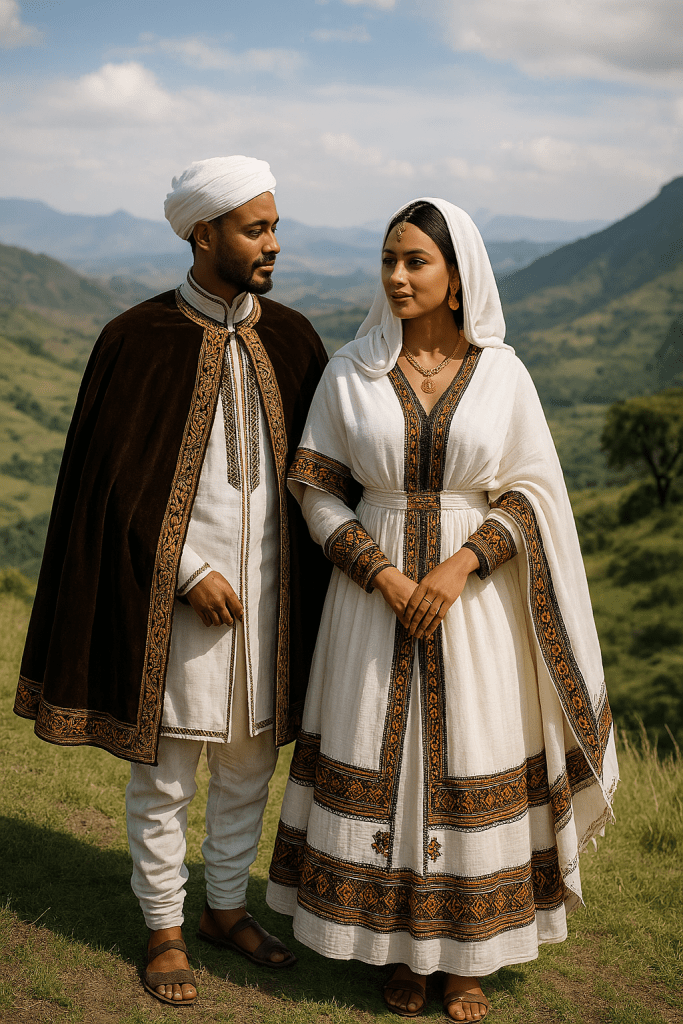
  • In Ethiopia, discipline was tied to both faith and identity. From fasting and prayer cycles to the relentless endurance of farmers and warriors, discipline was not only about personal success but about spiritual growth and resilience in the face of hardship.

Every culture knew that discipline is the bridge between vision and victory.


Why Discipline Matters Today

In our modern world filled with distractions, instant gratification, and endless noise, discipline is more vital than ever. Success — whether in art, business, health, or personal growth — rarely happens overnight. It is the result of small, intentional actions repeated daily.

Discipline provides:

  • Focus: It keeps you anchored to your priorities.
  • Consistency: It transforms fleeting motivation into lasting momentum.
  • Resilience: It strengthens your ability to keep going through challenges.
  • Freedom: Ironically, structure creates liberty — when you control your habits, you control your destiny.

Without discipline, even the most talented person will fall short of their potential. But with discipline, ordinary people can achieve extraordinary things.


How to Practice and Master Discipline

Developing discipline isn’t about perfection — it’s about persistence. Here are proven ways to cultivate and sustain it:

  1. Start Small and Stay Consistent
    Big goals can overwhelm you. Begin with simple, manageable habits — waking up earlier, reading a few pages daily, or dedicating 15 minutes to a creative pursuit. Small wins build momentum.
  2. Create a Clear Routine
    Discipline thrives in structure. Design a daily or weekly routine that supports your priorities. The more predictable your schedule, the less energy you waste on indecision.
  3. Set Clear, Measurable Goals
    Know why you’re doing what you do. Write down your goals and revisit them often. Clarity creates motivation, and motivation fuels discipline.
  4. Embrace Discomfort
    Growth lives beyond the comfort zone. Learn to welcome challenges and push through resistance — whether it’s physical, mental, or emotional. Each act of discipline strengthens your willpower.
  5. Limit Distractions
    Protect your focus. Turn off unnecessary notifications, set boundaries for social media, and create environments where your mind can stay centered.
  6. Hold Yourself Accountable
    Keep a journal, use reminders, or partner with someone who shares your vision. Accountability transforms intention into action.
  7. Rest and Reflect
    Discipline also means knowing when to pause. True mastery balances effort with renewal — allowing you to sustain your commitment for the long journey ahead.

The Gift of a Disciplined Life

When discipline becomes a way of life, it opens doors that talent alone cannot. It allows you to build, create, and grow steadily — to stand firm through storms, to fulfill promises, and to serve others with excellence.

As the ancient proverb says:

“He who masters himself is greater than he who conquers a city.”

Whether your goal is personal transformation, creative success, or spiritual growth, discipline is the silent partner that walks beside you on the road to greatness.


Final Thoughts

Thank you for reading and supporting Chonsview Media — a platform dedicated to art, reflection, and cultural insight. If this message inspired you, please consider using our affiliate links when shopping online. Your support helps us continue creating meaningful content that informs, uplifts, and connects people around the world.

Stay disciplined. Stay inspired.
– Chonsview Media

Amhara Culture and Resistance: A Tribute to Ethiopia’s Backbone

Introduction

The Amhara people, one of Ethiopia’s largest and most historically significant ethnic groups, have played a central role in shaping the nation’s identity, governance, language, literature, and spiritual traditions. Despite their monumental contributions, they face a growing existential threat in modern Ethiopia. This blog aims to introduce the cultural richness, regional diversity, and the ongoing resistance of the Amhara people—highlighting the vibrant traditions of Gondar, Gojam, Wollo, and Shewa—while also addressing the political and demographic struggles faced especially in Addis Ababa.


The Amhara Identity: Shared Roots, Distinct Regions

While united by language (Amharic), Orthodox Christianity, and shared historical values, the Amhara are not monolithic. Each region possesses distinct styles of dress, music, dialect, and traditional customs.

1. Wollo

  • Culture & Style: Wollo is known for its unique fusion of Christian and Muslim traditions. Traditional clothing includes elegant white cotton dresses with intricate embroidery and colorful scarves (ነጠላ) for women, while men wear long shirts (ጦብ) and shawls.
  • Spiritual Significance: Home to many Orthodox monasteries and Muslim shrines, Wollo symbolizes religious coexistence.
  • Current Struggles: Wollo towns like Dessie and Kombolcha have been frontline battlegrounds in recent conflicts, with local Fano fighters emerging as protectors of their communities.

2. Shewa

  • Culture & Style: As the political heartland, Shewa showcases a mix of traditional and modern attire. Women wear white dresses with blue and red borders. Men often dress in military-style uniforms today to symbolize their active resistance.
  • Historical Role: Home to many of Ethiopia’s emperors including Menelik II, Shewa has influenced national governance, education, and diplomacy.
  • Addis Ababa Influence: Though the capital is a melting pot, Shewa-origin Amhara have historically shaped the city’s development. Today, they face forced gentrification and political targeting.

3. Gondar

  • Culture & Style: Known for regal, golden embroidery, and deep-blue and red garments. Gondar women adorn themselves with elaborate jewelry and traditional braided hairstyles.
  • Spiritual & Historical Significance: Gondar is Ethiopia’s medieval capital, with churches like Debre Berhan Selassie symbolizing Ethiopian Orthodoxy.
  • Resistance Role: Gondar remains a bastion of the Fano movement. Youths have taken up arms to defend their people and cultural heritage.

4. Gojam

  • Culture & Style: Famous for dignified, pastoral styles—long robes for men and flowing dresses for women. Deep connection to the land is reflected in agricultural motifs.
  • Spiritual Strength: Monasteries like Gishen Mariam are pilgrimage sites.
  • Defensive Pride: Gojam Amhara are recognized for their fierce defense and strong community cohesion.

Addis Ababa: Changing Demographics & Erased History

Once a symbol of pan-Ethiopian unity, Addis Ababa has seen systematic efforts to change its demographic makeup. Longtime Amhara and other non-Oromo residents face displacement, exclusion from city planning, and erasure of cultural landmarks. Yet, the contributions of Amhara elites, artists, diplomats, and academics have built the city’s very foundation.


Faith, Resistance, and Resilience

The Amhara people, deeply spiritual and rooted in Orthodox Christianity—with growing evangelical and Islamic minorities—view their resistance as a sacred duty. Churches have become sanctuaries and rallying points, while prayers and fasting accompany armed defense in rural and urban areas.

The Fano movement, primarily made up of young men and women, symbolizes both cultural preservation and resistance against ethnic federalism and targeted violence.


Literature, Music & Legacy

From the classical poetry of Tsegaye Gebre-Medhin to the revolutionary songs of Teddy Afro, Amhara voices have defined Ethiopian literature and music. Their stories are filled with pain, hope, resistance, and divine connection.


Conclusion: A Call to Reclaim the Narrative

For decades, the Amhara have been falsely labeled as oppressors while being simultaneously marginalized and attacked. Today, their culture is under threat, their people displaced or massacred, and their contributions erased.

This blog stands as a tribute to their enduring spirit. It is time to reverse the narrative, document the truth, and advocate for peace, justice, and dignity for the Amhara people—pillars of Ethiopia and protectors of its soul.

One-Time
Monthly
Yearly

Make a one-time donation

Make a monthly donation

Make a yearly donation

Choose an amount

C$5.00
C$15.00
C$100.00
C$5.00
C$15.00
C$100.00
C$5.00
C$15.00
C$100.00

Or enter a custom amount

C$

Your contribution is appreciated.

Your contribution is appreciated.

Your contribution is appreciated.

DonateDonate monthlyDonate yearly

Adwa: The Unbroken Spirit

Happy 129th Anniversary of the Victory of Adwa!  እንኳን ለ129ኛው የአድዋ ድል በዓል አደረሳችሁ!

(Verse 1)

From the mountains of Ethiopia, where the brave hearts stood,

To the cries of freedom, where the warriors stood.

Menelik and Taytu, with fire in their eyes,

Led the charge for justice, beneath the Ethiopian skies.

The Church bells were ringing, prayers filled the air,

A nation united, in a holy affair.

With shields and spears, and faith in their hands,

They defended their homeland, the pride of their lands.

(Chorus)

Adwa, Adwa, the unbroken flame,

A beacon of hope, in the halls of fame.

From the heart of Africa, to the world it cried,

Ethiopia stands tall, with dignity and pride.

(Verse 2)

The Italians came marching, with guns and with might,

But the spirit of Ethiopia burned ever so bright.

From the hills of Adwa, the warriors arose,

With the strength of their ancestors, they faced their foes.

The Ark of the Covenant, a symbol so divine,

Guided their footsteps, through the battle line.

Priests with their crosses, and prayers so pure,

Blessed every warrior, with courage to endure.

(Chorus)

Adwa, Adwa, the unbroken flame,

A beacon of hope, in the halls of fame.

From the heart of Africa, to the world it cried,

Ethiopia stands tall, with dignity and pride.

(Bridge)

Oh, the drums of freedom, they still echo loud,

In the hearts of the people, they make us proud.

From the fields of Adwa, to the streets today,

We carry the legacy, in every way.

(Verse 3)

Now the world remembers, the victory we won,

For every Black soul, under the sun.

A symbol of resistance, a story so grand,

The only uncolonized, in a colonized land.

But the fight’s not over, the struggle remains,

For unity and justice, through the joy and the pain.

We honor the past, as we march ahead,

With the spirit of Adwa, in every step we tread.

(Chorus)

Adwa, Adwa, the unbroken flame,

A beacon of hope, in the halls of fame.

From the heart of Africa, to the world it cried,

Ethiopia stands tall, with dignity and pride.

(Outro)

So sing it loud, let the world hear the sound,

Of a nation unbroken, on sacred ground.

Adwa, Adwa, forever we’ll say,

Ethiopia’s spirit will never fade away.

Thanks for visiting Chonsview Media, your support is greatly appreciated.

One-Time
Monthly
Yearly

Make a one-time donation

Make a monthly donation

Make a yearly donation

Choose an amount

C$5.00
C$15.00
C$100.00
C$5.00
C$15.00
C$100.00
C$5.00
C$15.00
C$100.00

Or enter a custom amount

C$

Your contribution is appreciated.

Your contribution is appreciated.

Your contribution is appreciated.

DonateDonate monthlyDonate yearly

The Ethiopian Flag: A Symbol of Freedom, Unity, and Legacy

The Ethiopian flag, with its iconic green, gold, and red colors, is one of the most recognizable emblems in African and global history. Its significance extends beyond Ethiopia’s borders, symbolizing resistance against colonialism, freedom, and unity for Black people worldwide. The flag’s origins, its symbolic evolution, and its enduring legacy make it a subject of profound importance for Ethiopia, Africa, and the world at large.

Buy Now

Origins and the Battle of Adwa

The origins of the Ethiopian flag date back to the late 19th century. The tricolor design was officially adopted during the reign of Emperor Menelik II, who led Ethiopia to a historic victory at the Battle of Adwa in 1896. This victory marked the first time an African nation successfully defeated a European colonial power, cementing Ethiopia’s status as an uncolonized, sovereign state.

The green, gold, and red colors of the flag held deep symbolic meanings even then:

• Green represented the land’s fertility and the hope for prosperity.

• Gold symbolized the nation’s wealth and the spiritual richness of its people.

• Red stood for the sacrifices made to defend the nation’s sovereignty.

This flag became a beacon of hope for oppressed peoples across the world, showcasing Ethiopia as a land of resistance and independence in a colonized continent.

Buy Now

Chon

Symbol of Freedom and the Pan-African Movement

The Ethiopian flag’s influence expanded significantly in the 20th century, particularly with the rise of Pan-Africanism. The flag’s colors were adopted by numerous African nations during their independence movements, including Ghana, Senegal, and Cameroon, among others. These colors, collectively referred to as Pan-African colors, symbolized unity, resilience, and the shared struggle for liberation from colonial rule.

For the global Black community, Ethiopia represented a spiritual homeland, a place that had never been colonized and stood as a symbol of defiance against imperialism. This admiration culminated in the Rastafarian movement, which reveres Ethiopia as the promised land and Emperor Haile Selassie I as a divine figure. The Ethiopian flag became a central symbol of this movement, representing liberation, African identity, and spiritual connection.

Ethiopia’s Role and Modern Controversies

Despite its historical significance, the Ethiopian flag has also been a point of contention within the country. Ethnic nationalists, including Oromo and Tigray factions, have criticized the flag, associating it with alleged oppression by historical Ethiopian governments. These groups claim that the centralized Ethiopian state, under leaders like Haile Selassie and the Derg regime, marginalized their ethnic identities.

However, many of these accusations lack historical substantiation or fail to consider the complex and diverse nature of Ethiopia’s history. Rather than being a symbol of oppression, the Ethiopian flag historically united the nation in its fight against external threats and served as a rallying point for national pride and identity.

Buy Now

Chon

The Flag’s Evolution Over 100 Years

The Ethiopian flag has undergone several changes over the past century. During Emperor Haile Selassie’s reign, the Lion of Judah was prominently featured in the center, symbolizing Ethiopia’s Solomonic dynasty and Christian heritage. Under the Derg regime, the flag was stripped of the lion and redesigned to reflect the socialist government’s ideologies. The current flag features a blue star in the center, introduced in 1996, to signify diversity and unity.

These changes reflect the country’s shifting political landscapes, yet the core tricolor remains a constant, connecting Ethiopia’s past, present, and future.

The Flag and the Current Struggle

Today, the Ethiopian flag is once again a powerful symbol in the fight for freedom and sovereignty. The Fano Freedom Fighters, resisting the regime of Prime Minister Abiy Ahmed, have embraced the flag as a representation of Ethiopia’s unity and resilience. For these fighters and their supporters, the flag embodies the spirit of resistance against anti-Ethiopian policies and the preservation of the nation’s independence.

Buy Now

Chon

A Vision for Ethiopia and Africa

The Ethiopian flag is more than a national symbol; it is a pan-African icon representing the shared aspirations of freedom, unity, and progress. While Ethiopians may hold differing opinions about its symbolism, these differences can and should be resolved through democratic means. A nationwide referendum or inclusive dialogue could help foster a sense of ownership and shared pride in the flag.

However, at this critical juncture in Ethiopia’s history, the focus must remain on supporting the ongoing struggle for peace, freedom, and national unity. Ethiopia’s rich history, symbolized by the green, gold, and red, reminds us of the power of resilience and the importance of working together to rebuild a nation ravaged by conflict.

A Vision for Ethiopia and Africa

The Ethiopian flag stands as a testament to the country’s unique history, its role in inspiring global liberation movements, and its significance as a unifying force for Africans. By embracing the flag’s historical importance and prioritizing the fight for freedom and peace, Ethiopians can honor their shared heritage and work towards a brighter, more unified future for themselves and the continent as a whole.

Buy Now

Chon

Thanks for visiting Chonsview Media. Your support means the world to me as I strive to share important stories through my platform. If you’d like to help, please consider checking out my Amazon affiliate links or donating directly through my website. Every contribution helps me continue creating meaningful content and raising awareness about vital cultural and humanitarian issues. Thank you! (As an Amazon Associate, I earn from qualifying purchases.)

Buy Now

Chon