
🎤 A Night with “EቶORIKA / ETORIKA” — Teddy Afro’s Defining Masterpiece

There are moments as a writer when you don’t just listen—you witness. Last night was one of those moments. I stayed up deep into the silence of the night, headphones on, distractions gone, fully committed to absorbing the latest work from Teddy Afro. This wasn’t casual listening. This was intentional. Reflective. Almost spiritual.

From the very first track of EቶORIKA / ETORIKA, I could tell this album demanded more than a surface-level review. It asked for patience. It asked for memory. It asked for honesty. Teddy’s music has always carried weight, but this project feels different—it feels like a culmination of years of experience, pressure, resistance, and unwavering love for Ethiopia.

As the night stretched into early morning, I realized I wasn’t just reviewing an album—I was engaging with a cultural document, a sonic testimony of a nation in motion.


🇪🇹 Echoes of 2012 — When “Tikur Sew” Became a National Soundtrack

Listening to this album transported me instantly back to 2012, during my visit to Addis Ababa. It was the era of Tikur Sew—and to call it popular would be an understatement. It was omnipresent.

The streets breathed that album.

From the moment you stepped into a taxi, to the cafés buzzing with conversation, to the quiet corners of neighborhoods—Teddy’s voice was there. It wasn’t just music playing in the background; it was the soundtrack of a nation reconnecting with its history and identity.

One memory stands above the rest: a large wedding I attended during that trip. The atmosphere was electric—joyful, proud, deeply Ethiopian. And throughout the entire celebration, Teddy Afro’s music carried the emotion of the crowd. People didn’t just dance—they felt every lyric.

Songs like Africaye stood out to me in a powerful way. His reggae fusion—my personal favorite—felt both global and deeply rooted. It had that rare ability to speak to the African diaspora while staying authentically Ethiopian.

Teddy’s musical range is part of his genius:

  • 🎶 Traditional Ethiopian arrangements rooted in centuries of culture
  • 🎸 Reggae influences that connect Africa to the Caribbean
  • 🎤 Contemporary sounds that resonate with younger generations
  • 🪘 Instrumentation that preserves identity while evolving sound

And then, as if the universe wanted to seal that memory, I briefly encountered him and his wife Amleset Muchie at Flirt Lounge in Bole. It wasn’t a long interaction—but it didn’t need to be. There was a calm confidence about him, a quiet awareness of his role. Amleset carried the same grace. It felt like meeting not just artists—but representatives of something much bigger.


🌍 The Man Behind the Message

Born Tewodros Kassahun, Teddy Afro’s journey is one of purpose. From a young age, he showed signs of artistic brilliance, but what truly set him apart was his commitment to meaning.

He didn’t chase trends—he built narratives.

His music has always centered around:

  • 🇪🇹 Ethiopian identity and unity
  • 📜 Historical consciousness
  • 🕊️ Peace and reconciliation
  • ⚖️ Social awareness and justice

Unlike many artists, Teddy doesn’t separate art from responsibility. For him, music is a platform—a way to educate, awaken, and unify.


⚖️ Sacrifice, Resistance, and Unwavering Voice

That commitment has not come without consequence.

During the era of Meles Zenawi, Teddy faced imprisonment—an experience that many believe was closely tied to the influence and content of his music. It was a defining moment, not just for him, but for Ethiopian artists as a whole.

Where others may have softened their message, Teddy became more focused.

His resilience turned him into more than a musician:

He became a symbol of artistic courage.


🌟 A Global Icon, Rooted at Home

Today, Teddy Afro stands at the pinnacle of Ethiopian music. His concerts are not just performances—they are gatherings of identity.

Across cities like:

  • Washington D.C.
  • London
  • Toronto

Ethiopians gather in massive numbers, not just to hear music—but to reconnect with their roots.

And yet, despite global recognition, Teddy has remained grounded in Ethiopia. His loyalty is not performative—it’s lived.


✍🏾 Language as Power — The Art of Amharic Expression

One of Teddy’s most extraordinary gifts is his mastery of Amharic. He doesn’t simply write lyrics—he constructs meaning with precision.

His use of language allows him to:

  • Capture complex political and social realities
  • Deliver layered messages that reveal more over time
  • Speak directly to the emotional state of the people

Every word feels intentional. Every line feels earned.


🚫 The Silence Before the Storm

Leading up to the release of EቶORIKA / ETORIKA, tension was already building.

Reports indicated that Teddy was denied the opportunity to hold a press conference. The reasoning was telling—there were concerns that his words could inspire peaceful public disobedience.

Think about that for a moment.

An artist, restricted—not for violence, but for the potential influence of his message.

That alone reveals the magnitude of his voice.


🔥 “Das Tal (Ansaw)” — A Song That Speaks Without Fear

Among the many powerful tracks on this album, Das Tal (Ansaw) stands as a centerpiece.

This is not subtle music. This is direct.

In the song, Teddy addresses the realities facing Ethiopia under Abiy Ahmed. He speaks of division, of conflict, of promises that have not been fulfilled.

But more importantly, he calls for unity.

He speaks to:

  • Oromo
  • Tigrayan
  • Amhara

Not as separate groups—but as one people.

He warns against silence. Against division. Against a future where Ethiopians are “eaten one by one.”

The message is clear:

Ethiopia must not be divided and “eaten one by one.”

He reflects on how leadership rose with messages of love and unity—but instead has overseen conflict across regions, including ongoing suffering in Amhara and Oromo areas.

And then comes a moment that transcends music:

🇪🇹 The Call to Raise the Flag

Teddy calls on Ethiopians to raise the historic green, gold, and red flag—the one carried during the Battle of Adwa. A flag representing resistance, pride, and independence. A flag of dignity.

He questions how something so sacred could become forbidden—how holding that flag today can be treated as a crime.

It is one of the most powerful symbolic statements in modern Ethiopian music.


💔➡️❤️ A Nation in Sync — From Pain to Hope

What makes this album truly extraordinary is its emotional reach.

Ethiopians across the world are experiencing this music together:

  • Listening
  • Reflecting
  • Mourning
  • Hoping

There is a shared understanding—a collective emotional alignment that is rare to witness.

For those of us who deeply love Ethiopia, who understand its beauty and its struggles, this album feels like both a release and a rallying point.


🏆 A Personal Reflection — And a Bold Claim

After spending hours with EቶORIKA / ETORIKA, I can say this without hesitation:

This may be Teddy Afro’s greatest work.

Not only within his own catalog—but potentially among all Ethiopian musical works to date.

It is complete. It is fearless. It is necessary.


⚠️ Courage in the Face of Uncertainty

With such a powerful message comes real concern.

What happens next?

Ethiopia today faces:

  • Conflict in Amhara and Oromo regions
  • Political prisoners and crackdowns
  • Economic and social instability

In this climate, releasing an album like this is not a small act—it is a risk.

Teddy had options. He could have left. He could have released this project from abroad—from the U.S. or Europe.

But he chose to stay.

In Addis Ababa.
With his family.
With his people.

That decision transforms this album from art into artistic resistance.


🙏🏾 Gratitude, Respect, and a Moment in History

To Teddy Afro, his band, and every contributor behind EቶORIKA / ETORIKA:

Respect. Gratitude. Honor.

This is more than music.

This is legacy.

This is courage.

This is love for a nation expressed in its purest form.

And no matter what unfolds from here:

History has already been made.

Teddy Afro has given Ethiopians something timeless—
a voice, a mirror, and a gift that will echo for generations to come.

Thank you for taking the time to read and connect with this work—it truly means more than words can express. Your support keeps the vision alive.

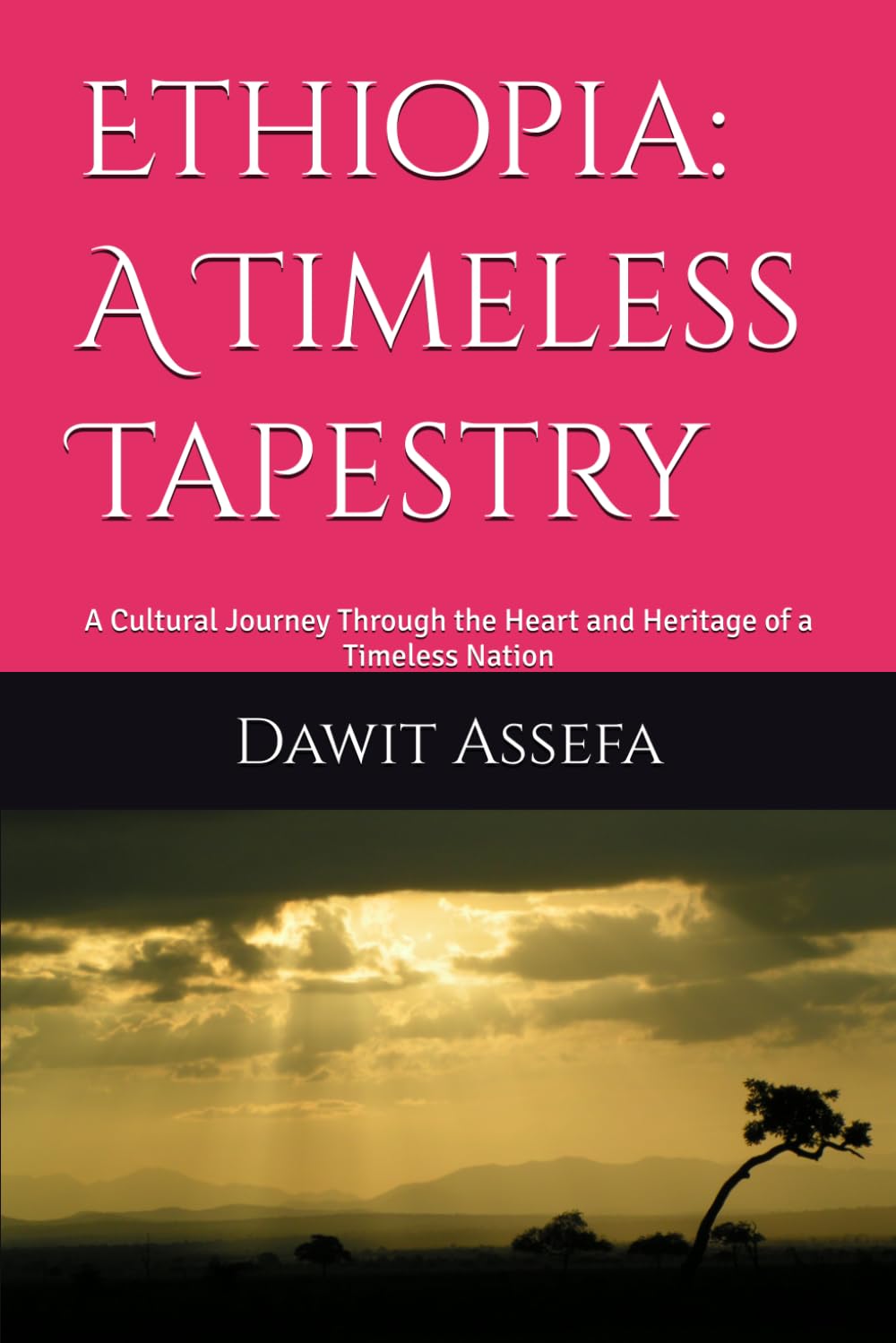
If you enjoyed this piece, I invite you to check out my book “Ethiopia: A Timeless Tapestry” on Amazon. Your support there goes a long way in helping me continue telling powerful stories about Ethiopia and its people.

Also, feel free to support Chonsview Media across all platforms. Every follow, share, and engagement helps amplify a greater mission—celebrating the beauty, history, and strength of Ethiopia while promoting a future rooted in unity and prosperity.

Together, we can continue to uplift the voice of a nation and inspire a united and thriving Ethiopia for all. 💚💛❤️✊🏿

One-Time
Monthly
Yearly

Make a one-time donation

Make a monthly donation

Make a yearly donation

Choose an amount

C$5.00
C$15.00
C$100.00
C$5.00
C$15.00
C$100.00
C$5.00
C$15.00
C$100.00

Or enter a custom amount

C$

Your contribution is appreciated.

Your contribution is appreciated.

Your contribution is appreciated.
DonateDonate monthlyDonate yearly

A Glimpse Into Ethiopia: A Timeless Tapestry

A stunning sunrise casts golden light over mist-filled valleys and green terraces.

There are stories we inherit, stories we discover, and stories we choose to carry forward. Ethiopia: A Timeless Tapestry was born from all three. As I wrote this book, I wasn’t just documenting history — I was walking through the echoes of my ancestors, listening to the rhythms of a land that has shaped civilizations, inspired movements, and held its identity with unshakable pride. This book is my attempt to bring that world to you, page by page, in a way that feels alive, intimate, and deeply human.


Ethiopia is not simply a country; it is a living archive of human possibility. From the ancient stones of Aksum to the soaring modern achievement of the Grand Ethiopian Renaissance Dam, Ethiopia’s story stretches across millennia with a rare continuity. In this book, I wanted readers to feel that continuity — to sense how the past breathes through the present, how traditions evolve without losing their soul, and how a nation can remain timeless even as it transforms.


As you journey through the chapters, you’ll encounter the civilizations that laid Ethiopia’s foundations, the spiritual traditions that shaped its moral compass, the music that carried its joys and sorrows, and the landscapes that have witnessed every chapter of its unfolding story. You’ll meet artists, warriors, saints, innovators, and everyday people whose lives form the threads of this tapestry. My goal was not just to inform, but to immerse — to let you feel Ethiopia’s heartbeat.


This book is also a celebration of resilience. Ethiopia has faced challenges that could have fractured lesser nations, yet it continues to rise, redefine itself, and inspire the world. Whether through the victory of Adwa, the endurance of its languages, or the global influence of its diaspora, Ethiopia’s story is one of unwavering strength. I wanted readers to see that strength not as a historical footnote, but as a living force that continues to shape the future.
Writing Ethiopia: A Timeless Tapestry was a deeply personal journey for me. As a father, I wrote with my daughter in mind — with the hope that she, and children like her, will grow up knowing the richness of their heritage. As a storyteller, I wrote with the intention of bridging generations, connecting those who know Ethiopia intimately with those discovering it for the first time. And as an Ethiopian, I wrote with pride, gratitude, and a sense of responsibility to honor the beauty of my culture.


If you’ve ever been curious about Ethiopia — its history, its people, its music, its food, its faith, its victories, its mysteries — this book is for you. If you’ve ever wanted to understand why Ethiopia holds such a unique place in the world’s imagination, this book will show you. And if you simply love stories that uplift, inspire, and expand your sense of wonder, you’ll find plenty within these pages.


I invite you to explore Ethiopia: A Timeless Tapestry on Amazon and experience the journey for yourself. It is more than a book — it is a tribute, a celebration, and an invitation to see Ethiopia through the eyes of someone who loves it deeply. I hope it inspires you, moves you, and leaves you with a renewed appreciation for one of the world’s most extraordinary cultures.

The Timeless Power of Discipline: The Bridge Between Dreams and Achievement

By Chonsview Media

Throughout history, discipline has stood as one of humanity’s most revered virtues — a force that shapes kings and scholars, warriors and artists, dreamers and doers alike. Long before modern motivational talks and productivity apps, ancient civilizations understood that without discipline, talent fades, dreams stall, and purpose drifts away.

In the words of Aristotle, “We are what we repeatedly do. Excellence, then, is not an act but a habit.” This timeless truth captures the essence of discipline — the consistent, often quiet commitment to doing what must be done even when comfort whispers otherwise.


Ancient Wisdom: How Civilizations Viewed Discipline

Across cultures and eras, discipline was considered sacred — a spiritual and moral practice, not just a mental exercise.

  • In Ancient Egypt, discipline was seen as maat — living in harmony with truth, balance, and order. Egyptian scribes and builders worked with precision and patience, knowing that mastery required endurance and respect for process.
  • In Greece, philosophers like Socrates and Plato taught self-control (sophrosyne) as a foundation for wisdom and virtue. To govern oneself was the first step toward governing anything else.
  • In Eastern philosophy, Confucius emphasized discipline through ritual, respect, and moral conduct, while Buddhist teachings focused on disciplined mindfulness — taming the wandering mind through meditation.
  • In African traditions, elders taught discipline as the essence of community life — respect for elders, consistency in work, and mastery of one’s impulses were seen as keys to harmony and success.
  • In Ethiopia, discipline was tied to both faith and identity. From fasting and prayer cycles to the relentless endurance of farmers and warriors, discipline was not only about personal success but about spiritual growth and resilience in the face of hardship.

Every culture knew that discipline is the bridge between vision and victory.


Why Discipline Matters Today

In our modern world filled with distractions, instant gratification, and endless noise, discipline is more vital than ever. Success — whether in art, business, health, or personal growth — rarely happens overnight. It is the result of small, intentional actions repeated daily.

Discipline provides:

  • Focus: It keeps you anchored to your priorities.
  • Consistency: It transforms fleeting motivation into lasting momentum.
  • Resilience: It strengthens your ability to keep going through challenges.
  • Freedom: Ironically, structure creates liberty — when you control your habits, you control your destiny.

Without discipline, even the most talented person will fall short of their potential. But with discipline, ordinary people can achieve extraordinary things.


How to Practice and Master Discipline

Developing discipline isn’t about perfection — it’s about persistence. Here are proven ways to cultivate and sustain it:

  1. Start Small and Stay Consistent
    Big goals can overwhelm you. Begin with simple, manageable habits — waking up earlier, reading a few pages daily, or dedicating 15 minutes to a creative pursuit. Small wins build momentum.
  2. Create a Clear Routine
    Discipline thrives in structure. Design a daily or weekly routine that supports your priorities. The more predictable your schedule, the less energy you waste on indecision.
  3. Set Clear, Measurable Goals
    Know why you’re doing what you do. Write down your goals and revisit them often. Clarity creates motivation, and motivation fuels discipline.
  4. Embrace Discomfort
    Growth lives beyond the comfort zone. Learn to welcome challenges and push through resistance — whether it’s physical, mental, or emotional. Each act of discipline strengthens your willpower.
  5. Limit Distractions
    Protect your focus. Turn off unnecessary notifications, set boundaries for social media, and create environments where your mind can stay centered.
  6. Hold Yourself Accountable
    Keep a journal, use reminders, or partner with someone who shares your vision. Accountability transforms intention into action.
  7. Rest and Reflect
    Discipline also means knowing when to pause. True mastery balances effort with renewal — allowing you to sustain your commitment for the long journey ahead.

The Gift of a Disciplined Life

When discipline becomes a way of life, it opens doors that talent alone cannot. It allows you to build, create, and grow steadily — to stand firm through storms, to fulfill promises, and to serve others with excellence.

As the ancient proverb says:

“He who masters himself is greater than he who conquers a city.”

Whether your goal is personal transformation, creative success, or spiritual growth, discipline is the silent partner that walks beside you on the road to greatness.


Final Thoughts

Thank you for reading and supporting Chonsview Media — a platform dedicated to art, reflection, and cultural insight. If this message inspired you, please consider using our affiliate links when shopping online. Your support helps us continue creating meaningful content that informs, uplifts, and connects people around the world.

Stay disciplined. Stay inspired.
– Chonsview Media

The Ethiopian Flag: A Symbol of Freedom, Unity, and Legacy

The Ethiopian flag, with its iconic green, gold, and red colors, is one of the most recognizable emblems in African and global history. Its significance extends beyond Ethiopia’s borders, symbolizing resistance against colonialism, freedom, and unity for Black people worldwide. The flag’s origins, its symbolic evolution, and its enduring legacy make it a subject of profound importance for Ethiopia, Africa, and the world at large.

Buy Now

Origins and the Battle of Adwa

The origins of the Ethiopian flag date back to the late 19th century. The tricolor design was officially adopted during the reign of Emperor Menelik II, who led Ethiopia to a historic victory at the Battle of Adwa in 1896. This victory marked the first time an African nation successfully defeated a European colonial power, cementing Ethiopia’s status as an uncolonized, sovereign state.

The green, gold, and red colors of the flag held deep symbolic meanings even then:

• Green represented the land’s fertility and the hope for prosperity.

• Gold symbolized the nation’s wealth and the spiritual richness of its people.

• Red stood for the sacrifices made to defend the nation’s sovereignty.

This flag became a beacon of hope for oppressed peoples across the world, showcasing Ethiopia as a land of resistance and independence in a colonized continent.

Buy Now

Chon

Symbol of Freedom and the Pan-African Movement

The Ethiopian flag’s influence expanded significantly in the 20th century, particularly with the rise of Pan-Africanism. The flag’s colors were adopted by numerous African nations during their independence movements, including Ghana, Senegal, and Cameroon, among others. These colors, collectively referred to as Pan-African colors, symbolized unity, resilience, and the shared struggle for liberation from colonial rule.

For the global Black community, Ethiopia represented a spiritual homeland, a place that had never been colonized and stood as a symbol of defiance against imperialism. This admiration culminated in the Rastafarian movement, which reveres Ethiopia as the promised land and Emperor Haile Selassie I as a divine figure. The Ethiopian flag became a central symbol of this movement, representing liberation, African identity, and spiritual connection.

Ethiopia’s Role and Modern Controversies

Despite its historical significance, the Ethiopian flag has also been a point of contention within the country. Ethnic nationalists, including Oromo and Tigray factions, have criticized the flag, associating it with alleged oppression by historical Ethiopian governments. These groups claim that the centralized Ethiopian state, under leaders like Haile Selassie and the Derg regime, marginalized their ethnic identities.

However, many of these accusations lack historical substantiation or fail to consider the complex and diverse nature of Ethiopia’s history. Rather than being a symbol of oppression, the Ethiopian flag historically united the nation in its fight against external threats and served as a rallying point for national pride and identity.

Buy Now

Chon

The Flag’s Evolution Over 100 Years

The Ethiopian flag has undergone several changes over the past century. During Emperor Haile Selassie’s reign, the Lion of Judah was prominently featured in the center, symbolizing Ethiopia’s Solomonic dynasty and Christian heritage. Under the Derg regime, the flag was stripped of the lion and redesigned to reflect the socialist government’s ideologies. The current flag features a blue star in the center, introduced in 1996, to signify diversity and unity.

These changes reflect the country’s shifting political landscapes, yet the core tricolor remains a constant, connecting Ethiopia’s past, present, and future.

The Flag and the Current Struggle

Today, the Ethiopian flag is once again a powerful symbol in the fight for freedom and sovereignty. The Fano Freedom Fighters, resisting the regime of Prime Minister Abiy Ahmed, have embraced the flag as a representation of Ethiopia’s unity and resilience. For these fighters and their supporters, the flag embodies the spirit of resistance against anti-Ethiopian policies and the preservation of the nation’s independence.

Buy Now

Chon

A Vision for Ethiopia and Africa

The Ethiopian flag is more than a national symbol; it is a pan-African icon representing the shared aspirations of freedom, unity, and progress. While Ethiopians may hold differing opinions about its symbolism, these differences can and should be resolved through democratic means. A nationwide referendum or inclusive dialogue could help foster a sense of ownership and shared pride in the flag.

However, at this critical juncture in Ethiopia’s history, the focus must remain on supporting the ongoing struggle for peace, freedom, and national unity. Ethiopia’s rich history, symbolized by the green, gold, and red, reminds us of the power of resilience and the importance of working together to rebuild a nation ravaged by conflict.

A Vision for Ethiopia and Africa

The Ethiopian flag stands as a testament to the country’s unique history, its role in inspiring global liberation movements, and its significance as a unifying force for Africans. By embracing the flag’s historical importance and prioritizing the fight for freedom and peace, Ethiopians can honor their shared heritage and work towards a brighter, more unified future for themselves and the continent as a whole.

Buy Now

Chon

Thanks for visiting Chonsview Media. Your support means the world to me as I strive to share important stories through my platform. If you’d like to help, please consider checking out my Amazon affiliate links or donating directly through my website. Every contribution helps me continue creating meaningful content and raising awareness about vital cultural and humanitarian issues. Thank you! (As an Amazon Associate, I earn from qualifying purchases.)

Buy Now

Chon