

King Haile Selassie’s Vision: The Dream Before the Dam

Emperor Haile Selassie I — envisioning Ethiopia’s future through the power of the Nile, a vision that would inspire generations to build the Grand Renaissance Dam.
Long before the Grand Ethiopian Renaissance Dam became a reality, Emperor Haile Selassie I envisioned harnessing the mighty Nile to uplift Ethiopia and Africa. In the 1950s and 60s, he commissioned studies and surveys of the Blue Nile basin, declaring that the river’s power should serve its source — not only as a lifeline for others downstream, but as a tool for Ethiopia’s self-reliance, modernization, and dignity. His foresight reflected a deep understanding of the nation’s potential and Africa’s right to control its own natural wealth. Though global politics and limited resources delayed that dream, his vision lived on — inspiring generations of Ethiopians who would later rally behind what was once called Project X.

A Dream Called “Project X”
When the late Prime Minister Meles Zenawi first envisioned the Grand Ethiopian Renaissance Dam (GERD) in 2011, he called it Project X—a code name meant to keep it under wraps until Ethiopia was ready to announce it to the world. Few could have predicted that this ambitious vision would one day become Africa’s largest hydroelectric dam and one of the most symbolic projects in modern African history.
The idea was bold: harness the mighty Blue Nile, which begins in the Ethiopian highlands, to power not just Ethiopia’s future but the dreams of an entire continent. For generations, Ethiopia had watched its waters flow north to Egypt, bringing prosperity to others while millions of Ethiopians lived without electricity. Project X was about more than energy—it was about justice, sovereignty, and self-reliance.
The Birth of a Dream – Project X

Early stages of the Grand Ethiopian Renaissance Dam, once known only as Project X.
Built by the People, for the People
What made GERD truly historic was how it was funded. Knowing that foreign lenders would shy away due to political pressure, Ethiopia decided to build it with its own people’s money.
Ordinary citizens, farmers, students, business owners, and even members of the diaspora bought bonds, donated their savings, and contributed in countless ways. Taxi drivers displayed “Support the Dam” stickers, while schoolteachers organized fundraising drives. It became a unifying national mission—a statement that Ethiopians could finance their own development without external dependency.
A People’s Project – Built by Ethiopians for Ethiopians

Ethiopians from all walks of life contributed to GERD — through bonds, donations, and faith.

Ethiopia’s independence in pursuing GERD came at a cost. Egypt, which depends on the Nile for over 90% of its freshwater, launched an extensive diplomatic campaign to halt the project.
Citing colonial-era water treaties that excluded Ethiopia, Cairo lobbied major powers and financial institutions—the IMF, World Bank, and other donors—to deny Ethiopia any loans or grants for the dam. Egypt also took the dispute to the UN Security Council several times, framing the GERD as a regional security threat.
Despite this isolation, Ethiopia pressed on, determined to prove that African nations could fund and execute major projects on their own terms.
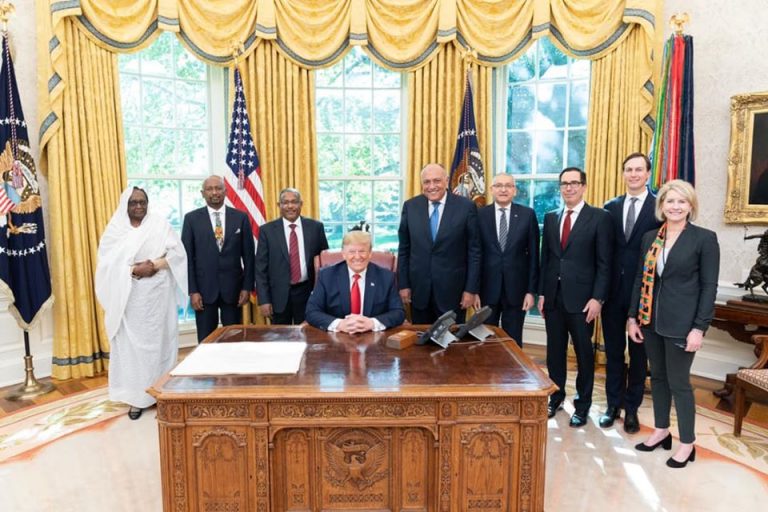
International Pressure and the US Role
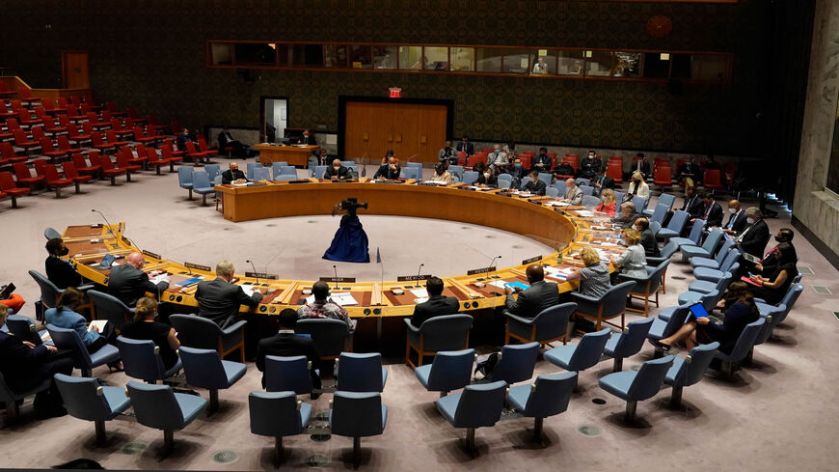
The GERD dispute reached global forums — from Washington to the UN Security Council.

Engineering a Modern Marvel
The Italian construction giant Salini Impregilo (now Webuild) was awarded the main contract for the project. Built on the Blue Nile in the Benishangul-Gumuz region near the Sudanese border, the dam stands 145 meters tall and stretches 1.8 kilometers wide. Once fully operational, GERD will generate over 6,000 megawatts of electricity—enough to power Ethiopia and export energy to neighboring countries.
The estimated cost of over $5 billion was covered almost entirely through domestic resources, a staggering feat for a developing country. But the road was far from smooth.
Engineering Excellence – Power and Promise
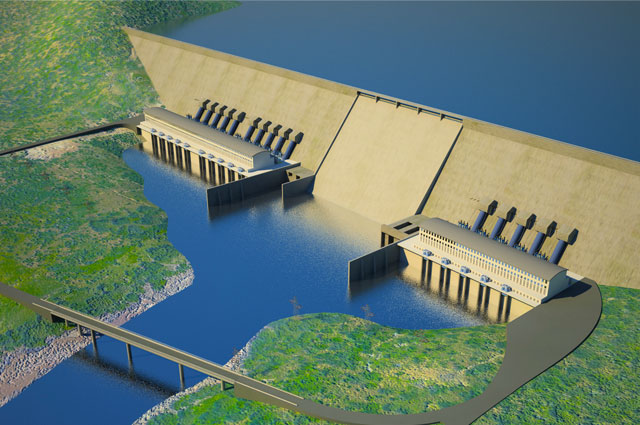
GERD stands tall on the Blue Nile — Africa’s largest hydroelectric dam.
Tension in the Nile Basin
For Egypt, the Nile is life itself. Its entire civilization depends on its annual flow, which originates mainly from Ethiopia. Egypt feared that GERD would reduce water availability downstream. Sudan, located between the two nations, held mixed positions—at times supporting GERD for its potential to regulate floods and provide cheaper electricity, and at other times expressing concern over water management.
Negotiations between the three countries have repeatedly stalled, with multiple rounds mediated by the African Union, the U.S., and other international bodies ending without lasting agreement.
A Tragic Turn: The Death of the Chief Engineer
The project also faced internal heartbreak. In July 2018, Engineer Simegnew Bekele, the lead project manager and a national hero, was found dead in his car at Meskel Square in Addis Ababa—just months after Abiy Ahmed became Prime Minister. His death shocked the nation and raised questions that remain unanswered. Simegnew had become a symbol of Ethiopia’s determination and technical pride, and his loss left a deep emotional scar on the national psyche.
The Tragic Loss of Engineer Simegnew Bekele

Chief Engineer Simegnew Bekele — a national hero remembered for his leadership and sacrifice.
U.S. Pressure and Trump’s Controversial Comments
International politics soon intensified the struggle. Under the Trump administration, the United States pressured Ethiopia to sign a deal that heavily favored Egypt. When Ethiopia refused, Trump infamously suggested during a public call that “Egypt might end up blowing up the dam.” His remark was condemned globally and viewed as reckless interference in African affairs.
During his later campaign, Trump repeated false claims about the dam’s impact, aligning again with Egypt’s narrative. The story took a darker turn when U.S. Senator Bob Menendez—long accused of acting in Egypt’s favor—was convicted on corruption charges for allegedly accepting bribes from Egyptian officials to influence U.S. foreign policy, including its stance on the GERD.
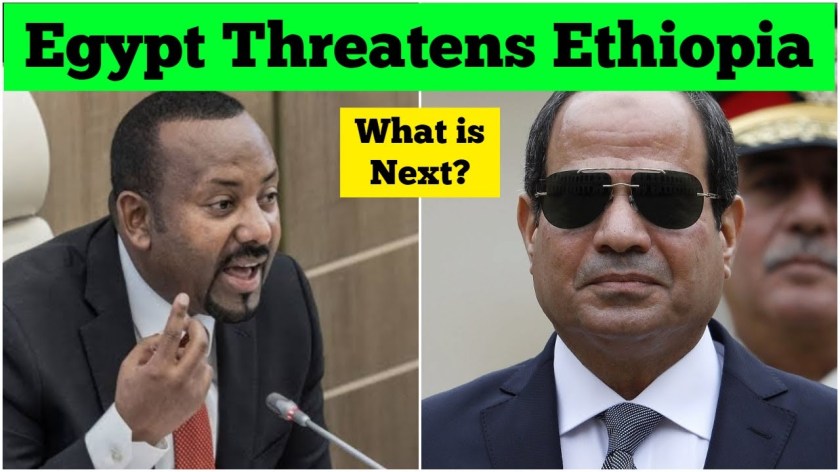
Tensions Over the Nile – Egypt, Sudan, and Ethiopia
Decades of tension over the Nile’s waters — Egypt, Sudan, and Ethiopia’s delicate negotiations.
A Triumph of Resilience
Against immense odds—political isolation, financial blockades, technical challenges, and even tragedy—Ethiopia completed GERD’s key construction phases. The dam has already begun partial power generation, marking a new era for Ethiopia and Africa. It represents not only energy independence but also a reclaiming of dignity.
Just as the Victory of Adwa (1896) symbolized Ethiopia’s triumph over colonial domination, the GERD stands as a modern symbol of African capability and unity. It shows that when a nation believes in itself, no amount of external pressure can dam the flow of its ambition.
Trials, Resilience, and the Road to Power Generation

Ethiopia’s resilience turned a vision into reality — powering millions and uniting a nation.
The Renaissance of a Continent
For Ethiopia, GERD means millions of homes lit for the first time, industries growing, and an economy propelled by clean energy. For Africa, it’s proof that development can come from within—financed, built, and owned by Africans.
The waters of the Blue Nile have always carried history. Today, they also carry hope—flowing not just to Egypt, but through the hearts of every Ethiopian who dared to dream and build the impossible.
A Symbol of African Sovereignty and Unity

GERD — a beacon of African self-reliance, as historic as the Victory of Adwa.
Final Note of Gratitude
Thank you for taking the time to read and reflect on this story of resilience, vision, and national pride. The Grand Ethiopian Renaissance Dam is not only a symbol of Ethiopia’s strength, but also a reminder of Africa’s potential when unity and purpose guide progress. Chonsview Media deeply appreciates your continued support and engagement with our work — your readership empowers us to create and share stories that matter. To help sustain our independent journalism and creative projects, we’ve included a few Amazon affiliate links within this article. By using them, you directly support our mission at no extra cost to you. Together, we can continue shining light on Africa’s journey toward progress, justice, and self-reliance.

Make a one-time donation
Make a monthly donation
Make a yearly donation
Choose an amount
Or enter a custom amount
Your contribution is appreciated.
Your contribution is appreciated.
Your contribution is appreciated.
DonateDonate monthlyDonate yearly Chonsview Media