A stunning sunrise casts golden light over mist-filled valleys and green terraces.
There are stories we inherit, stories we discover, and stories we choose to carry forward. Ethiopia: A Timeless Tapestry was born from all three. As I wrote this book, I wasn’t just documenting history — I was walking through the echoes of my ancestors, listening to the rhythms of a land that has shaped civilizations, inspired movements, and held its identity with unshakable pride. This book is my attempt to bring that world to you, page by page, in a way that feels alive, intimate, and deeply human.
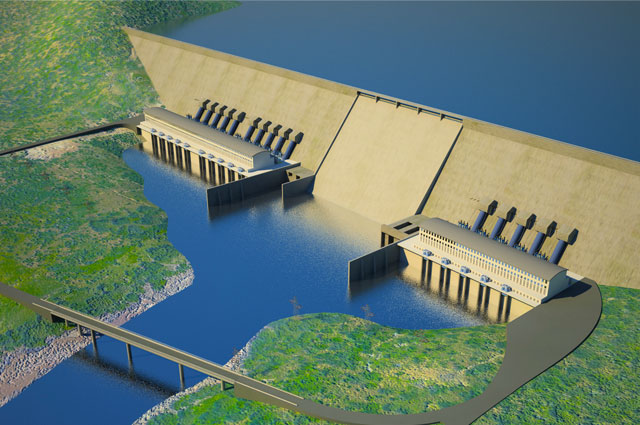
The Grand Ethiopian Renaissance Dam (GERD)—Africa’s largest hydroelectric project—embodies Ethiopia’s spirit of self-reliance, unity, and resilience amid global pressure, regional tension, and historical transformation.
KingHaile Selassie’s Vision: The Dream Before the Dam
Emperor Haile Selassie I — envisioning Ethiopia’s future through the power of the Nile, a vision that would inspire generations to build the Grand Renaissance Dam.
Long before the Grand Ethiopian Renaissance Dam became a reality, Emperor Haile Selassie I envisioned harnessing the mighty Nile to uplift Ethiopia and Africa. In the 1950s and 60s, he commissioned studies and surveys of the Blue Nile basin, declaring that the river’s power should serve its source — not only as a lifeline for others downstream, but as a tool for Ethiopia’s self-reliance, modernization, and dignity. His foresight reflected a deep understanding of the nation’s potential and Africa’s right to control its own natural wealth. Though global politics and limited resources delayed that dream, his vision lived on — inspiring generations of Ethiopians who would later rally behind what was once called Project X.
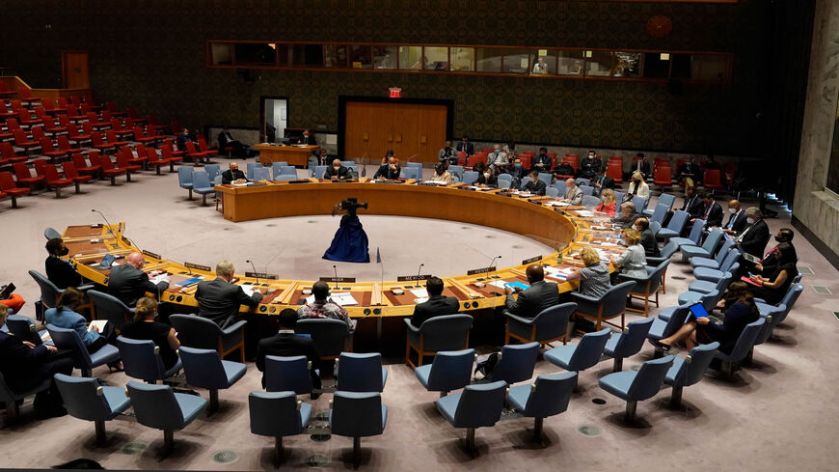
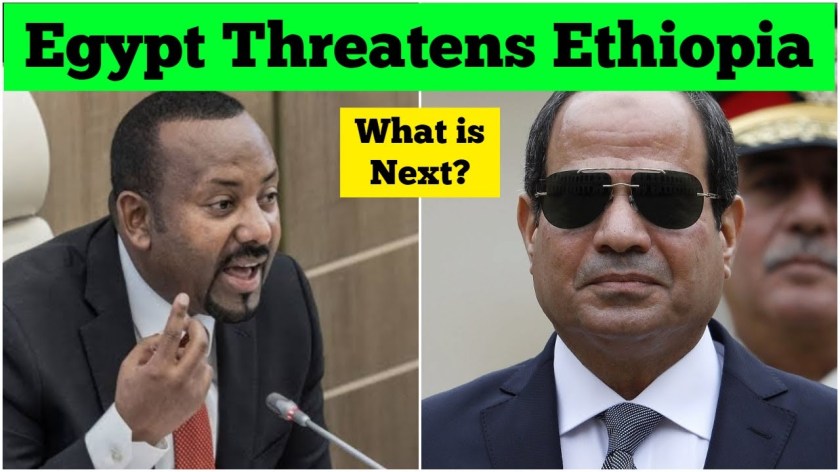
Ethiopia’s independence in pursuing GERD came at a cost. Egypt, which depends on the Nile for over 90% of its freshwater, launched an extensive diplomatic campaign to halt the project. Citing colonial-era water treaties that excluded Ethiopia, Cairo lobbied major powers and financial institutions—the IMF, World Bank, and other donors—to deny Ethiopia any loans or grants for the dam. Egypt also took the dispute to the UN Security Council several times, framing the GERD as a regional security threat.
Despite this isolation, Ethiopia pressed on, determined to prove that African nations could fund and execute major projects on their own terms.
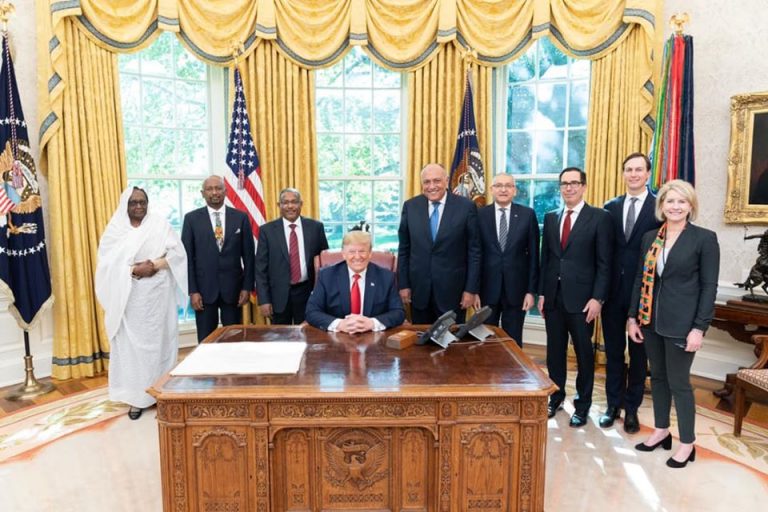
International Pressure and the US Role
The GERD dispute reached global forums — from Washington to the UN Security Council.







 Chonsview Media