Amhara Culture and Resistance: A Tribute to Ethiopia’s Backbone

Introduction

The Amhara people, one of Ethiopia’s largest and most historically significant ethnic groups, have played a central role in shaping the nation’s identity, governance, language, literature, and spiritual traditions. Despite their monumental contributions, they face a growing existential threat in modern Ethiopia. This blog aims to introduce the cultural richness, regional diversity, and the ongoing resistance of the Amhara people—highlighting the vibrant traditions of Gondar, Gojam, Wollo, and Shewa—while also addressing the political and demographic struggles faced especially in Addis Ababa.


The Amhara Identity: Shared Roots, Distinct Regions

While united by language (Amharic), Orthodox Christianity, and shared historical values, the Amhara are not monolithic. Each region possesses distinct styles of dress, music, dialect, and traditional customs.

1. Wollo

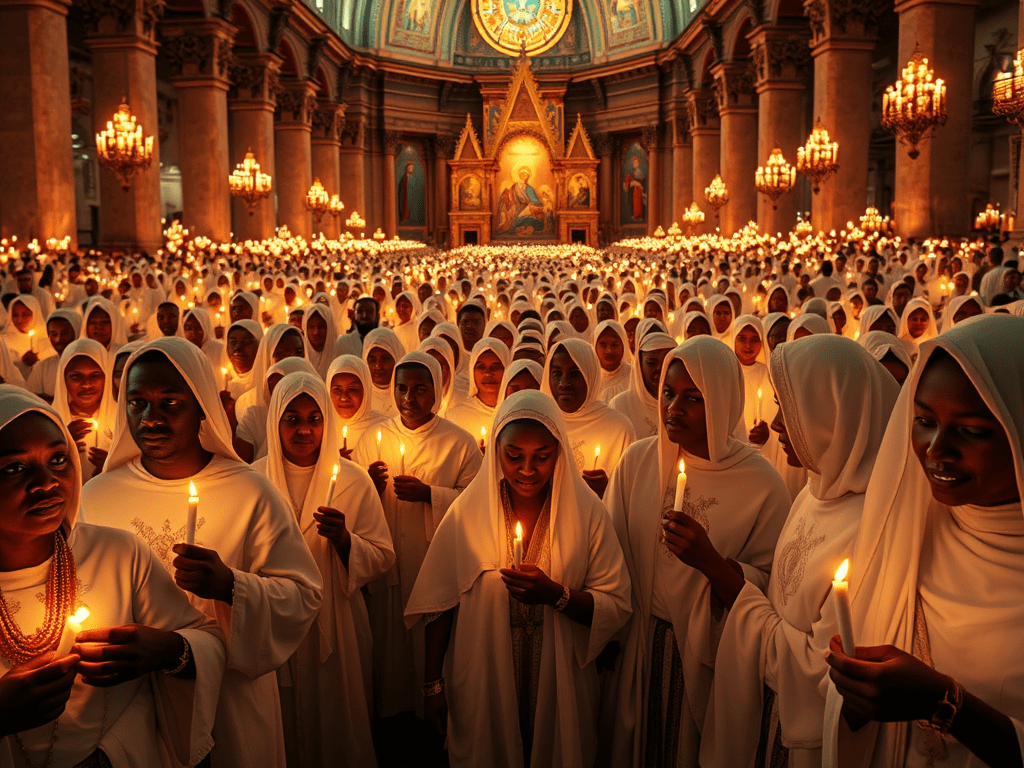
  • Culture & Style: Wollo is known for its unique fusion of Christian and Muslim traditions. Traditional clothing includes elegant white cotton dresses with intricate embroidery and colorful scarves (ነጠላ) for women, while men wear long shirts (ጦብ) and shawls.
  • Spiritual Significance: Home to many Orthodox monasteries and Muslim shrines, Wollo symbolizes religious coexistence.
  • Current Struggles: Wollo towns like Dessie and Kombolcha have been frontline battlegrounds in recent conflicts, with local Fano fighters emerging as protectors of their communities.

2. Shewa

  • Culture & Style: As the political heartland, Shewa showcases a mix of traditional and modern attire. Women wear white dresses with blue and red borders. Men often dress in military-style uniforms today to symbolize their active resistance.
  • Historical Role: Home to many of Ethiopia’s emperors including Menelik II, Shewa has influenced national governance, education, and diplomacy.
  • Addis Ababa Influence: Though the capital is a melting pot, Shewa-origin Amhara have historically shaped the city’s development. Today, they face forced gentrification and political targeting.

3. Gondar

  • Culture & Style: Known for regal, golden embroidery, and deep-blue and red garments. Gondar women adorn themselves with elaborate jewelry and traditional braided hairstyles.
  • Spiritual & Historical Significance: Gondar is Ethiopia’s medieval capital, with churches like Debre Berhan Selassie symbolizing Ethiopian Orthodoxy.
  • Resistance Role: Gondar remains a bastion of the Fano movement. Youths have taken up arms to defend their people and cultural heritage.

4. Gojam

  • Culture & Style: Famous for dignified, pastoral styles—long robes for men and flowing dresses for women. Deep connection to the land is reflected in agricultural motifs.
  • Spiritual Strength: Monasteries like Gishen Mariam are pilgrimage sites.
  • Defensive Pride: Gojam Amhara are recognized for their fierce defense and strong community cohesion.

Addis Ababa: Changing Demographics & Erased History

Once a symbol of pan-Ethiopian unity, Addis Ababa has seen systematic efforts to change its demographic makeup. Longtime Amhara and other non-Oromo residents face displacement, exclusion from city planning, and erasure of cultural landmarks. Yet, the contributions of Amhara elites, artists, diplomats, and academics have built the city’s very foundation.


Faith, Resistance, and Resilience

The Amhara people, deeply spiritual and rooted in Orthodox Christianity—with growing evangelical and Islamic minorities—view their resistance as a sacred duty. Churches have become sanctuaries and rallying points, while prayers and fasting accompany armed defense in rural and urban areas.

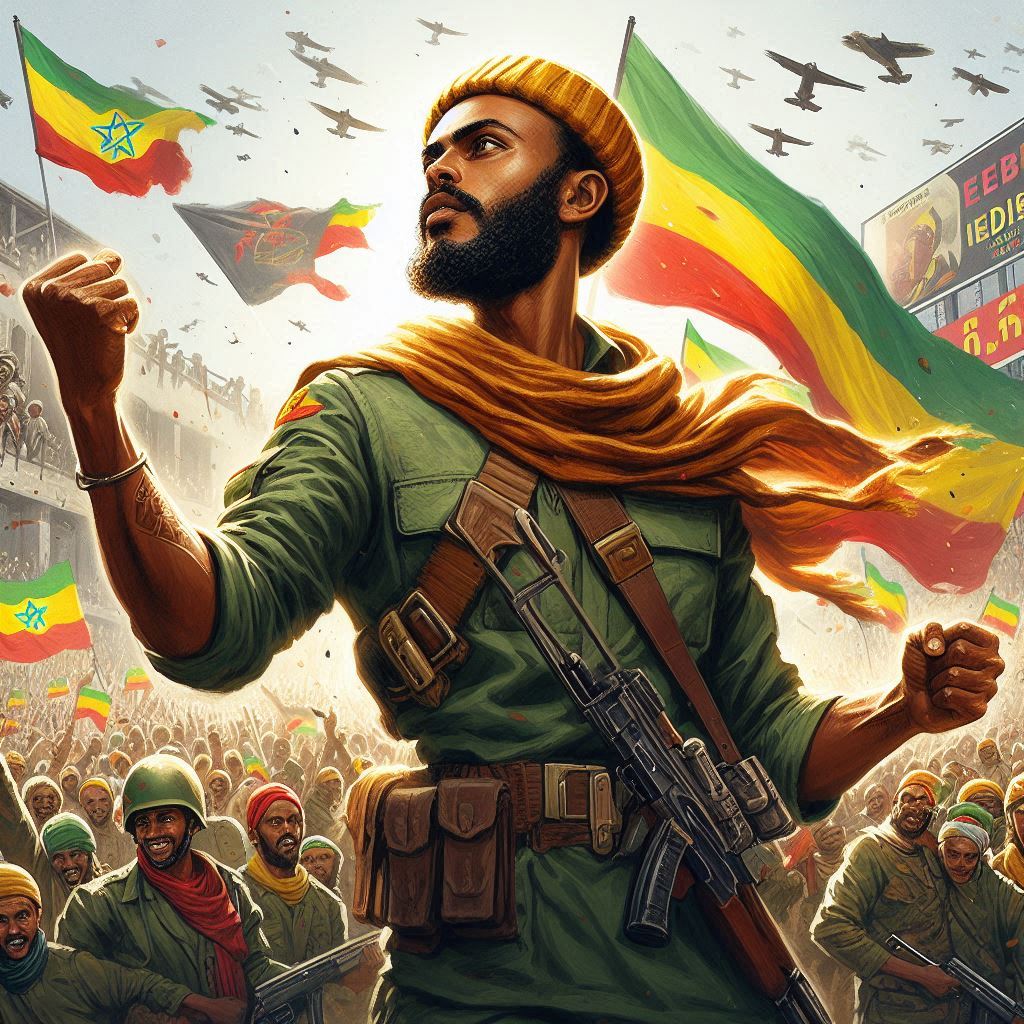
The Fano movement, primarily made up of young men and women, symbolizes both cultural preservation and resistance against ethnic federalism and targeted violence.


Literature, Music & Legacy

From the classical poetry of Tsegaye Gebre-Medhin to the revolutionary songs of Teddy Afro, Amhara voices have defined Ethiopian literature and music. Their stories are filled with pain, hope, resistance, and divine connection.


Conclusion: A Call to Reclaim the Narrative

For decades, the Amhara have been falsely labeled as oppressors while being simultaneously marginalized and attacked. Today, their culture is under threat, their people displaced or massacred, and their contributions erased.

This blog stands as a tribute to their enduring spirit. It is time to reverse the narrative, document the truth, and advocate for peace, justice, and dignity for the Amhara people—pillars of Ethiopia and protectors of its soul.

Operation Unity: The Imminent Victory of Fano

In the heart of Ethiopia, a new dawn is rising. The Fano freedom fighters, the guardians of the Amhara people, have launched an unprecedented offensive under the banner of “Operation Unity.” This historic movement, spanning across the four Amhara regions, is proving to be a game-changer in the struggle against Abiy Ahmed’s brutal regime. With unity now at the core of the military wing of Fano, Ethiopians both at home and in the diaspora are witnessing a moment of great hope and resurgence.

For years, the Amhara people have endured systemic oppression, genocide, and the destruction of their communities. What began as a struggle for survival has transformed into a movement of national liberation. The resistance that started with ordinary patriots from Gojjam, Wollo, Gondar, and Shewa has evolved into a force of unity, strength, and resilience—now recognized as the beacon of hope for all Ethiopians suffering under the oppressive regime.

The recent successes of Fano’s military operations have demonstrated their ability to stand firm against tyranny. They have reclaimed vital positions, weakened the enemy’s strongholds, and given a voice to the silenced. Their courage is a testament to the unwavering spirit of the Ethiopian people who refuse to be ruled by oppression. However, while the military front is marching in step, the political factions of Fano are still working to solidify their ideological and strategic unity. The nation waits, hopeful, knowing that the complete unification of Fano—both militarily and politically—is imminent.

The importance of this unity cannot be overstated. It is the final piece needed to ensure not just military victory, but a lasting and just peace for Ethiopia. The people are watching, waiting, and believing. The devastation of war, economic collapse, and social disarray have touched every Ethiopian, making this struggle not just an Amhara cause but a national one. Fano’s rise represents the collective will of all Ethiopians who yearn for a free, fair, and stable nation.

To the supporters of Fano, the message is clear: Victory is within reach. The sacrifices made, the battles fought, and the lives lost will not be in vain. The unity we have longed for is closer than ever, and soon, the world will witness the official unification of Fano in all aspects. This is not just a war for the Amhara people—it is a fight for Ethiopia, for justice, and for a future where all ethnic groups can coexist in dignity and peace.

Let this be a time of patience and strength. Let this be a time where we stand behind Fano, knowing that the final chapter of this struggle is being written in the blood and courage of those who refuse to bow. The resistance has transformed from a mere fight for survival into a movement for true liberation.

Fano’s unity is coming. Ethiopia’s freedom is near. Victory is not just possible—it is inevitable.

Stay strong. Stay united. The dawn of a new Ethiopia is upon us.

Queen of the Nile: The Unbreakable Spirit of Amhara Women

Happy International Women’s Day to all the incredible women around the world! Today, we take a moment to honor the resilience, strength, and sacrifices of women everywhere. But a special tribute goes to the Amhara women of Ethiopia—women whose bravery, endurance, faith, and patriotism have shaped the course of history and continue to inspire generations.

The Mothers Who Gave Us Fano: Pillars of Ethiopia’s Resistance

Behind every great warrior stands a mother who nurtured, guided, and instilled the values of courage and freedom. The Amhara mothers have given Ethiopia some of its greatest defenders—the fearless Fano freedom fighters. These women have not only raised warriors but have also taken up arms themselves, standing on the front lines to protect their land, culture, and dignity. Their unwavering commitment to Ethiopia’s sovereignty echoes the strength of legendary Ethiopian queens and heroines like Empress Taytu Betul, who led Ethiopia to victory against colonial forces.

The Burdens of Amhara Women: A History of Hardship and Survival

Throughout Ethiopia’s history, Amhara women have endured immense suffering. From forced displacement to systemic marginalization, they have borne the weight of conflicts, ethnic-targeted attacks, and political oppression. Yet, they continue to persevere, holding their families and communities together in the face of adversity. In recent years, the suffering has reached unprecedented levels. Amhara women have witnessed their children and husbands slaughtered, their homes destroyed, and their very existence threatened by state-backed oppression and ethnic cleansing.

Under the current regime of Abiy Ahmed, Amhara women have faced unspeakable atrocities. Heavy weaponry and drones are being used to massacre innocent Amhara civilians—including women, children, and the elderly—on an alarming scale. Mass imprisonment, sexual violence, and targeted assassinations have become tools of suppression, attempting to break the indomitable spirit of the Amhara people. But these women refuse to be silenced.

The Courage to Stand: Amhara Women in the Fight for Justice

Despite overwhelming odds, Amhara women are not just surviving—they are resisting. Many have joined the Fano fighters, standing shoulder to shoulder with their brothers in the struggle for Ethiopia’s freedom. These fearless women warriors are playing a crucial role in the battle against oppression, proving that Ethiopian women are not only caretakers but also fierce defenders of justice and sovereignty.

As the struggle intensifies, victory is on the horizon. Alongside their fellow Ethiopian counterparts, the Fano women fighters are fighting to establish a united, peaceful, fair, and democratic Ethiopia—one where all its citizens can live with dignity and freedom. The sacrifices they make today will pave the way for a nation that upholds the rights of all its people, free from tyranny and division.

A Call to All Ethiopian Women: Unite for Survival and Peace

Ethiopian women have always been the backbone of the nation, and now more than ever, they must stand together. The struggle of Amhara women is not just their own—it is a fight for the survival of Ethiopia as a whole. All Ethiopian women, from every ethnic and religious background, must join in solidarity, ensuring that Ethiopia remains a land of unity and peace, as it has been for the past 3,000 years.

To the women of Ethiopia, this is your moment. Rise up, support one another, and fight for a future where no mother has to bury her child because of political tyranny. Together, as Ethiopian women, we will reclaim our nation’s honor, uphold its legacy, and restore justice for all.

Long live the spirit of Amhara women! Long live Ethiopia!

Adwa: The Unbroken Spirit

Happy 129th Anniversary of the Victory of Adwa!  እንኳን ለ129ኛው የአድዋ ድል በዓል አደረሳችሁ!

(Verse 1)

From the mountains of Ethiopia, where the brave hearts stood,

To the cries of freedom, where the warriors stood.

Menelik and Taytu, with fire in their eyes,

Led the charge for justice, beneath the Ethiopian skies.

The Church bells were ringing, prayers filled the air,

A nation united, in a holy affair.

With shields and spears, and faith in their hands,

They defended their homeland, the pride of their lands.

(Chorus)

Adwa, Adwa, the unbroken flame,

A beacon of hope, in the halls of fame.

From the heart of Africa, to the world it cried,

Ethiopia stands tall, with dignity and pride.

(Verse 2)

The Italians came marching, with guns and with might,

But the spirit of Ethiopia burned ever so bright.

From the hills of Adwa, the warriors arose,

With the strength of their ancestors, they faced their foes.

The Ark of the Covenant, a symbol so divine,

Guided their footsteps, through the battle line.

Priests with their crosses, and prayers so pure,

Blessed every warrior, with courage to endure.

(Chorus)

Adwa, Adwa, the unbroken flame,

A beacon of hope, in the halls of fame.

From the heart of Africa, to the world it cried,

Ethiopia stands tall, with dignity and pride.

(Bridge)

Oh, the drums of freedom, they still echo loud,

In the hearts of the people, they make us proud.

From the fields of Adwa, to the streets today,

We carry the legacy, in every way.

(Verse 3)

Now the world remembers, the victory we won,

For every Black soul, under the sun.

A symbol of resistance, a story so grand,

The only uncolonized, in a colonized land.

But the fight’s not over, the struggle remains,

For unity and justice, through the joy and the pain.

We honor the past, as we march ahead,

With the spirit of Adwa, in every step we tread.

(Chorus)

Adwa, Adwa, the unbroken flame,

A beacon of hope, in the halls of fame.

From the heart of Africa, to the world it cried,

Ethiopia stands tall, with dignity and pride.

(Outro)

So sing it loud, let the world hear the sound,

Of a nation unbroken, on sacred ground.

Adwa, Adwa, forever we’ll say,

Ethiopia’s spirit will never fade away.

Thanks for visiting Chonsview Media, your support is greatly appreciated.

🎶 “Adwa Shines Forever” 🎶

Thanks for visiting Chonsview Media. Here’s a lyrical tribute to the Victory of Adwa, celebrating Ethiopia’s triumph and serving as a beacon of hope for the future. The song blends historical pride with a vision of unity and resilience for Ethiopia and the global Black community.

(Verse 1)
On the hills of Adwa, we stood so tall,
With courage and fire, we answered the call.
Menelik led, Taytu stood strong,
A nation united, a victory song.

(Pre-Chorus)
They thought we’d fall, they thought we’d break,
But we rose like the sun at dawn’s first wake.
From the heart of Africa, freedom rings,
Adwa’s spirit forever sings!

(Chorus)
Adwa shines, forever bright,
A beacon of hope, a guiding light.
For Ethiopia, for Africa, we stand,
With love, with strength, hand in hand.

(Verse 2)
Chains were forged, but we broke them down,
No foreign crown shall rule our town.
The lion roared, the world could see,
Ethiopia stands, proud and free!

(Bridge)
For the past, for today, for the years to come,
Let unity rise like the morning sun.
No more division, no more pain,
Let Adwa’s spirit rise again!

(Chorus – Repeat)
Adwa shines, forever bright,
A beacon of hope, a guiding light.
For Ethiopia, for Africa, we stand,
With love, with strength, hand in hand.

(Outro)
Oh, Ethiopia, rise and soar,
Your future shines forevermore.
With Adwa’s spirit, we’ll pave the way,
For peace, for love, a brighter day!

Happy Adwa Victory Day in advance. I hope you like it, please feel free to listen to the music I created for you using AI. Thanks for your support.

The Significance of the Victory of Adwa

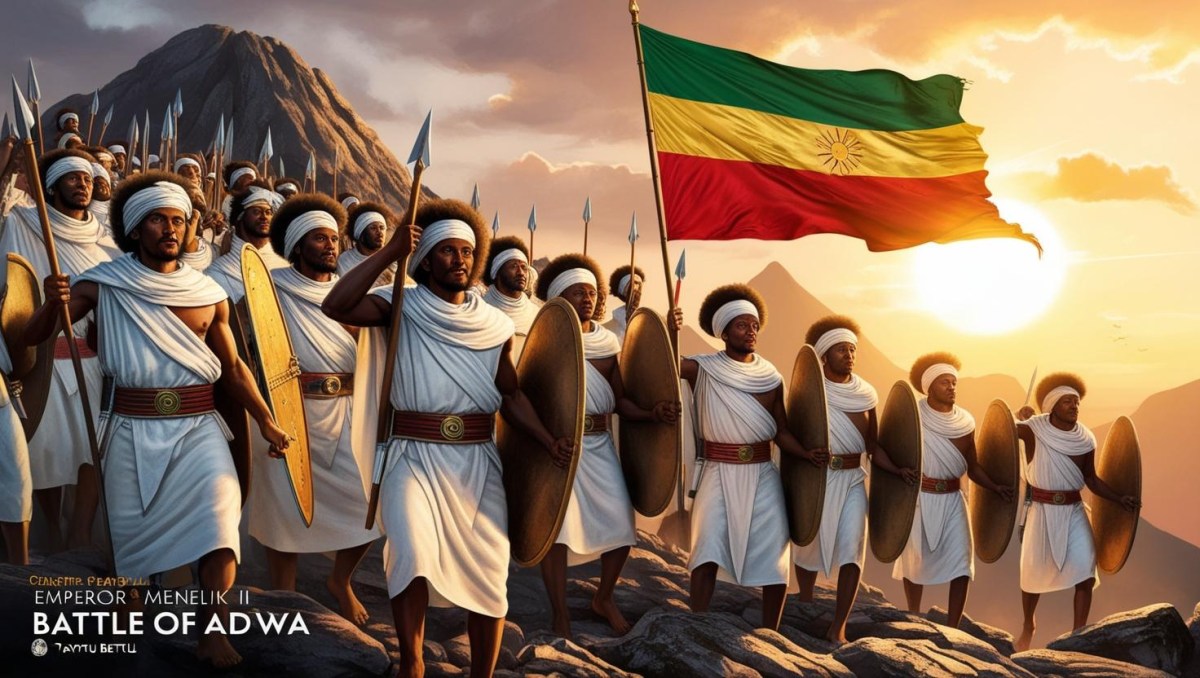
The Victory of Adwa (March 1, 1896) was a defining moment in African history, marking Ethiopia as the only African nation to successfully resist European colonization during the Scramble for Africa. Here are 20 key highlights of this monumental event:

1. Ethiopian Victory Over Italy

Ethiopian forces decisively defeated the Italian army, preventing Italy from colonizing Ethiopia and securing the nation’s sovereignty.

2. Emperor Menelik II’s Leadership

Menelik II, the Emperor of Ethiopia, skillfully united the country’s diverse ethnic and regional forces to resist Italian aggression.

3. Empress Taytu Betul’s Role

Empress Taytu played a crucial role in military strategy, diplomacy, and even leading troops in battle. She was a key figure in rejecting Italian deception.

4. The Treaty of Wuchale (1889) Dispute

Italy attempted to use Article 17 of the Treaty of Wuchale to claim Ethiopia as a protectorate, but Menelik II rejected the misleading translation, leading to conflict.

5. Mass Mobilization of Ethiopian Forces

Menelik II called for national mobilization, and within months, over 100,000 Ethiopians, including warriors from different regions, joined the war effort.

6. Ethiopian Army’s Superior Strategy

Despite being outgunned in some areas, Ethiopian forces used superior strategy, knowledge of the terrain, and effective cavalry to overwhelm Italian troops.

7. Italy’s Underestimation of Ethiopia

Italy mistakenly believed Ethiopia was militarily weak and that internal divisions would make it easy to conquer. This miscalculation led to their defeat.

8. Support from Regional Leaders

Key figures like Ras Alula, Ras Makonnen, Ras Mengesha, and Ras Mikael contributed significantly to Ethiopia’s military success.

9. The Role of Indigenous Weapons and Modern Arms

Ethiopian warriors fought with traditional weapons such as spears and swords, alongside modern rifles acquired from France, Russia, and Britain.

10. Heavy Italian Casualties

Italy suffered catastrophic losses, with over 7,000 Italian soldiers killed, thousands captured, and the rest forced to retreat.

11. Ethiopian Morale and Unity

The battle showcased Ethiopia’s national unity, bringing together different ethnic groups to fight against a common enemy.

12. African and Global Impact

The victory inspired anti-colonial movements across Africa and the African diaspora, symbolizing black resistance and pride.

13. Diplomatic Recognition of Ethiopia

Following the victory, European powers formally recognized Ethiopia as a sovereign nation, leading to stronger diplomatic ties.

14. The Treaty of Addis Ababa (1896)

Italy was forced to sign the Treaty of Addis Ababa, recognizing Ethiopia’s independence and renouncing its colonial claims.

15. Psychological Defeat of European Supremacy Myth

Adwa shattered the European myth of white superiority and showed that African nations could successfully resist colonization.

16. The Role of Women in the Battle

Ethiopian women played crucial roles as warriors, medics, and logistical support, with Empress Taytu leading from the front.

17. Russian and French Support for Ethiopia

While no European power directly intervened, Russia and France provided arms and diplomatic support to Ethiopia.

18. Global Media Coverage

Newspapers around the world reported on Ethiopia’s victory, making Menelik II and Empress Taytu global figures of resistance.

19. The Legacy of Adwa in Pan-Africanism

Figures like Marcus Garvey, W.E.B. Du Bois, and later African leaders cited Adwa as a source of inspiration for anti-colonial struggles.

20. Annual Celebration of Adwa Victory

To this day, Ethiopia and the global African community celebrate Adwa as a symbol of African resistance, unity, and dignity.

The Battle of Adwa remains one of the most significant moments in world history, proving that Africa was not passive during colonial invasions and could stand strong against European imperialism.

Buy Now

Buy Now
Buy Now
Electric Air Duster
Buy Now

Support This Blog

This blog contains Amazon affiliate links. If you purchase through these links, I may earn a small commission at no extra cost to you. Your support helps me continue creating informative and meaningful content that celebrates Ethiopia’s rich history and culture. If you appreciate this work, consider shopping through the links or making a donation to help sustain independent storytelling. Thank you for being part of this journey in honoring our past and shaping our future!

Buy Now

Rise Ethiopia, the cradle of the Free (FANO Music) ፋኖ 💚💛❤️✊🏿🦅

“Rise Ethiopia”
(A Song for Unity and Freedom)

Verse 1
From the peaks of Simien, to the Rift Valley plains,
A land unbroken, where pride remains.
Thousands of years, we stood as one,
Under the moonlight, beneath the sun.

Faithful hearts, both Christian and Muslim,
We shared our lives, through joy and wisdom.
Bound by marriage, culture, and creed,
Ethiopia stands, though others would bleed.

Chorus
Rise Ethiopia, the cradle of the free,
Unite as one, like the mighty tree.
Fano leads the fight, for all to see,
Together we’ll build a land of peace and dignity.

Verse 2
They’ve sown division with lies and despair,
Turning brother on brother, but we’re aware.
Ethnic politics, their weapon of choice,
But the youth rise now, they’ve found their voice.

Amhara, Oromo, Sidama, Tigray,
Together they march, for a brighter day.
No more to the tyrant, no more to the pain,
We’ll reclaim our future, through the storm and rain.

Chorus
Rise Ethiopia, the cradle of the free,
Unite as one, like the mighty tree.
Fano leads the fight, for all to see,
Together we’ll build a land of peace and dignity.

Bridge
Oh mountains, oh rivers, hear our plea,
Your children call for unity.
We’ve weathered the chains of neocolonial greed,
Now we rise for the peace we need.

Verse 3
Dictators crumble, their lies will fade,
For the love of Ethiopia will never degrade.
Western powers, you’ll not divide,
We stand together, with truth as our guide.

To every village, to every town,
The hope of Fano will never drown.
Freedom is near, and we’ll light the way,
For Ethiopia’s dawn, a brand new day.

Chorus
Rise Ethiopia, the cradle of the free,
Unite as one, like the mighty tree.
Fano leads the fight, for all to see,
Together we’ll build a land of peace and dignity.

Outro
Oh Ethiopia, land of the brave,
No tyrant’s rule can make us slaves.
We’ll rise as one, hand in hand,
And forever protect our cherished land.

(Repeat Chorus with Choir)
Rise Ethiopia, the cradle of the free,
Unite as one, like the mighty tree.
Fano leads the fight, for all to see,
Together we’ll build a land of peace and dignity.

The Role of the Ethiopian Orthodox Tewahedo Church in the Victory of Adwa

The Ethiopian Orthodox Tewahedo Church, one of the oldest Christian institutions in the world, played a pivotal role in the Battle of Adwa. Its influence extended far beyond the spiritual realm, deeply intertwining with Ethiopia’s cultural, social, and political fabric. The Church’s involvement in the battle was not merely symbolic; it was a testament to its central role in uniting Ethiopians and inspiring them to defend their faith, land, and sovereignty.

Buy Now

Spiritual Guidance and Moral Support

The Ethiopian Orthodox Tewahedo Church has always been a cornerstone of Ethiopian identity. For centuries, it has served as a unifying force, bringing together people from diverse ethnic and linguistic backgrounds under a shared faith. During the lead-up to the Battle of Adwa, the Church provided spiritual guidance and moral support to the Ethiopian people and their leaders.

Priests and monks across the country held prayer vigils, fasted, and conducted religious ceremonies to seek divine intervention for Ethiopia’s victory. The Church’s leaders emphasized that the fight against Italian colonialism was not just a political struggle but also a spiritual one. They framed the battle as a holy war, a defense of Christianity and Ethiopian sovereignty against foreign invaders. This spiritual framing galvanized the Ethiopian warriors, many of whom saw themselves as soldiers of God fighting for a righteous cause.

Buy Now

The Church as a Unifying Force

One of the most remarkable aspects of the Battle of Adwa was the unity it fostered among Ethiopians. The Ethiopian Orthodox Church played a crucial role in this unity. At a time when Ethiopia was a patchwork of regional kingdoms and ethnic groups, the Church provided a common identity and purpose. It transcended ethnic and linguistic differences, reminding Ethiopians of their shared heritage and faith.

The Church’s teachings emphasized the idea of “ኢትዮጵያ ታበጽሕ እግዚአብሔር” (Ityopiya tabetsih Egziabher)—”Ethiopia stretches her hands unto God”—a phrase derived from Psalm 68:31 in the Bible. This idea of Ethiopia as a nation chosen by God to uphold Christianity in Africa resonated deeply with the people and fueled their determination to resist colonization.

Buy Now

The Role of Clergy in the Battle

The involvement of the Church was not limited to prayers and sermons. Many members of the clergy actively participated in the battle. Priests and monks joined the ranks of the Ethiopian army, carrying crosses and religious icons into the battlefield. They blessed the warriors and encouraged them to fight with courage and faith.

One notable figure was Abune Matewos, the Archbishop of the Ethiopian Orthodox Church at the time. He played a key role in rallying support for the war effort and ensuring that the Church’s resources were mobilized to aid the army. The Church also provided logistical support, including food, shelter, and medical care for the warriors.

Buy Now

The Ark of the Covenant and Divine Protection

The Ethiopian Orthodox Church’s unique connection to the Ark of the Covenant also played a symbolic role in the Battle of Adwa. According to Ethiopian tradition, the Ark, which is believed to house the original Ten Commandments, is kept in the Church of St. Mary of Zion in Axum. The presence of the Ark in Ethiopia has long been a source of spiritual pride and a symbol of divine favor.

During the battle, many Ethiopians believed that the Ark’s spiritual power protected them and ensured their victory. This belief further strengthened their resolve and instilled a sense of invincibility among the warriors. The idea that God was on their side gave them the courage to face a better-armed and technologically superior enemy.

Buy Now

The Church’s Role in Preserving Ethiopian Identity

The victory at Adwa was not just a military triumph; it was also a cultural and spiritual one. The Ethiopian Orthodox Church played a crucial role in preserving Ethiopia’s unique identity in the face of external threats. By framing the battle as a defense of Christianity and Ethiopian heritage, the Church ensured that the victory was seen as a divine affirmation of Ethiopia’s special place in history.

After the battle, the Church continued to play a central role in Ethiopian society. It preserved Ethiopia’s ancient traditions, including its liturgical language, Ge’ez, and its rich heritage of religious art, music, and literature. The Church’s monasteries and churches became repositories of knowledge and culture, safeguarding Ethiopia’s history for future generations.

Buy Now

The Church’s Legacy in Modern Ethiopia

Today, the Ethiopian Orthodox Church remains a vital institution in Ethiopia, deeply respected by millions of Ethiopians. Its role in the Battle of Adwa is remembered with pride and gratitude. The Church’s ability to unite people across ethnic and regional lines during the battle serves as a powerful reminder of the importance of unity in the face of adversity.

However, the Church has faced challenges in recent years, particularly under the current government led by Prime Minister Abiy Ahmed. There have been reports of tensions between the government and the Church, as well as concerns about the erosion of Ethiopia’s cultural and religious heritage. Despite these challenges, the Church continues to be a source of strength and resilience for many Ethiopians.

Buy Now

Conclusion: A Testament to Faith and Unity

The Ethiopian Orthodox Church’s role in the Battle of Adwa is a testament to the power of faith and unity. By providing spiritual guidance, moral support, and practical assistance, the Church helped Ethiopians achieve a historic victory that continues to inspire people around the world. As we celebrate Black History Month and reflect on the legacy of Adwa, let us honor the Church’s contributions and remember the enduring spirit of a people who fought not just for their land but also for their faith and identity.

ኢትዮጵያ ታበጽሕ እግዚአብሔር!
Ityopiya tabetsih Egziabher!
Ethiopia stretches her hands unto God!

Buy Now

Support This Blog

This blog contains Amazon affiliate links. If you purchase through these links, I may earn a small commission at no extra cost to you. Your support helps me continue creating informative and meaningful content that celebrates Ethiopia’s rich history and culture. If you appreciate this work, consider shopping through the links or making a donation to help sustain independent storytelling. Thank you for being part of this journey in honoring our past and shaping our future!

The Victory of Adwa: A Beacon of Hope for Ethiopia, Africa, and the Black World

Celebrating Black History Month by Honoring Ethiopia’s Unyielding Spirit

Introduction: The Legacy of Adwa

Every year, as we celebrate Black History Month, we honor the resilience, courage, and triumphs of Black people across the globe. Among these triumphs, the Battle of Adwa stands as a monumental event that not only shaped Ethiopia’s destiny but also inspired generations of Africans and people of African descent. On March 1, 1896, Ethiopia, under the leadership of Emperor Menelik II and Empress Taytu Betul, achieved a historic victory against the Italian colonial forces. This victory made Ethiopia the only African nation to have never been colonized, a fact that continues to fill Ethiopians and all Black people with immense pride.

The Battle of Adwa was not just a military victory; it was a symbol of resistance, unity, and the unbreakable spirit of a people determined to defend their sovereignty. In this blog post, we will explore the significance of Adwa, the roles of its key figures, and its enduring legacy for Ethiopia, Africa, and the Black world. We will also reflect on Ethiopia’s continued struggles and the challenges it faces today under the current regime.

The Battle of Adwa: A Historic Triumph

The Location and Details of the Battle

The Battle of Adwa took place near the town of Adwa in the Tigray region of northern Ethiopia. The rugged terrain of the Ethiopian highlands played a crucial role in the outcome of the battle, as it was familiar ground for Ethiopian forces but treacherous for the invading Italian army. The Italian forces, led by General Oreste Baratieri, were confident in their superior weaponry and numbers. However, they underestimated the strategic brilliance of Emperor Menelik II and the unity of the Ethiopian people.

Ethiopian forces, comprising warriors from various regions and ethnic groups, including Amhara, Tigray, Oromo, and others, came together under the leadership of Menelik II. The Ethiopian army, estimated at 100,000 strong, faced an Italian force of about 17,000 soldiers. Despite being outgunned, the Ethiopians used their knowledge of the terrain, guerrilla tactics, and sheer determination to secure a decisive victory.

Buy Now Product Name

The Role of Emperor Menelik II and Empress Taytu Betul

Emperor Menelik II, a visionary leader, played a pivotal role in uniting Ethiopia’s diverse regions and ethnic groups. His diplomatic acumen and military strategy were instrumental in securing Ethiopia’s independence. Menelik II’s wife, Empress Taytu Betul, was equally remarkable. A fierce and intelligent leader, Taytu played a key role in rallying troops and advising her husband. Her famous words, “I am a woman, but I would rather die than see my country colonized,” continue to inspire Ethiopians to this day.

The Role of the Ethiopian Orthodox Church

The Ethiopian Orthodox Tewahedo Church also played a significant role in the victory at Adwa. The Church, deeply intertwined with Ethiopian identity and culture, provided spiritual guidance and moral support to the warriors. Priests and monks prayed for the success of the Ethiopian army, and many church members joined the fight. The Church’s involvement underscored the unity between faith and patriotism in Ethiopia.

Buy Now Product Name

The Significance of Adwa for Ethiopia, Africa, and the Black World

A Symbol of Resistance and Unity

The victory at Adwa was a powerful statement to the world: Africa was not a continent to be easily conquered. For Ethiopians, Adwa became a symbol of national pride and unity. It demonstrated that a united people, regardless of their differences, could overcome even the most formidable challenges.

For Africans and the global Black community, Adwa was a source of inspiration. At a time when much of Africa was under colonial rule, Ethiopia’s victory proved that colonialism was not inevitable. It ignited hope and pride among Black people worldwide, showing that they too could resist oppression and reclaim their dignity.

Ethiopia’s Victory Against Fascist Italy

The significance of Adwa was further cemented decades later when Ethiopia once again faced an Italian invasion. In 1935, Fascist Italy, led by Benito Mussolini, launched a second attempt to colonize Ethiopia. Despite the Italians’ use of brutal tactics, including chemical weapons, Ethiopians continued to resist. Emperor Haile Selassie, who had ascended to the throne after Menelik II, became a global symbol of resistance. His impassioned speech at the League of Nations in 1936 highlighted the injustices faced by Ethiopia and called for international solidarity.

Although Ethiopia was briefly occupied, the spirit of Adwa lived on. Ethiopian patriots, known as Arbegnoch, waged a guerrilla war against the Italians, and with the help of Allied forces during World War II, Ethiopia regained its independence in 1941.

Buy Now Product Name

The Love and Respect for Emperor Menelik II and His Warriors

Emperor Menelik II and the warriors of Adwa are revered in Ethiopia as national heroes. Their bravery and sacrifice are celebrated in songs, poems, and stories passed down through generations. The phrase “አድዋ አርአያ” (Adwa Araya)—meaning “Adwa is a mirror”—reflects how the battle serves as a reflection of Ethiopia’s strength and unity.

Ethiopians hold deep respect for Menelik II not only for his military achievements but also for his efforts to modernize the country. He introduced infrastructure, education, and healthcare systems that laid the foundation for Ethiopia’s development.

Buy Now Product Name

Challenges Facing Ethiopia Today

While Ethiopia’s history is filled with moments of triumph, the country now faces significant challenges under the leadership of Prime Minister Abiy Ahmed. Since coming to power in 2018, Abiy’s regime has been marked by internal conflicts, including wars in the AmharaOromia, and Tigray regions. These conflicts have resulted in immense suffering for Ethiopians and have threatened the unity that Adwa once symbolized.

Moreover, Abiy’s government has been accused of undermining Ethiopia’s rich cultural and religious heritage. The Ethiopian Orthodox Church and Muslim communities have faced challenges, and there are concerns that Ethiopia’s history is being erased in the name of “development.” The destruction of historical sites and the marginalization of certain ethnic groups have sparked outrage among Ethiopians who cherish their heritage.

Buy Now Product Name

Conclusion: Honoring the Spirit of Adwa

As we celebrate Black History Month, let us remember the sacrifices of those who fought at Adwa and the enduring legacy of their victory. Adwa is not just a historical event; it is a reminder of what can be achieved when people come together in the face of adversity.

For Ethiopians, Adwa is a source of pride and a call to action. It reminds us to protect our heritage, uphold our unity, and resist forces that seek to divide us. As the world celebrates Black history, let us also reflect on the challenges Ethiopia faces today and work towards a future that honors the spirit of Adwa.

አድዋ የዘላለም ኩራት ነው!
Adwa yezelalem kurat new!
Adwa is a forever pride!

Support This Blog

This blog contains Amazon affiliate links, which means that if you purchase through these links, I may earn a small commission at no extra cost to you. Your support helps me continue creating informative and meaningful content that celebrates Ethiopia’s rich history and culture. If you appreciate this work, consider shopping through the links or making a donation to help sustain independent storytelling. Thank you for being part of this journey in honoring our past and shaping our future!

Can Eskinder Nega Be Ethiopia’s Next Leader?

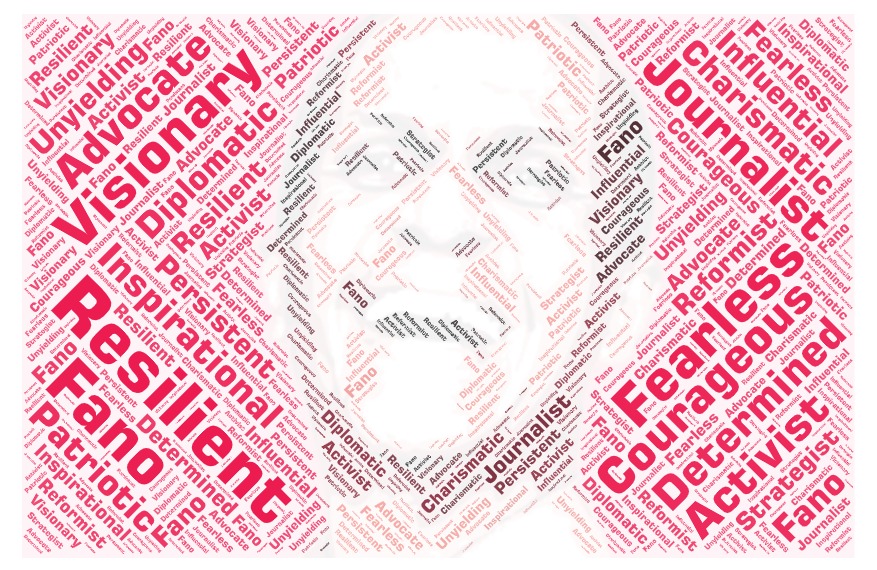
Eskinder Nega, a celebrated Ethiopian journalist, activist, and politician, has been a steadfast defender of human rights and democracy throughout his life. A prominent figure on the world stage, Eskinder has continually fought for justice, often at great personal cost. His journey from journalist to political activist, to now a leading figure in Ethiopia’s Fano movement, makes him one of the most compelling and courageous voices in Ethiopian politics today.

Early Life and Education

Born in Addis Ababa in 1966, Eskinder grew up in Ethiopia’s vibrant but politically turbulent capital. His family instilled in him a love for education and justice, values that would guide his life. Eskinder later pursued higher education in the United States, where he studied political science and journalism. This period in the U.S. gave him a global perspective and strengthened his commitment to human rights and free expression.

Eskinder eventually returned to Ethiopia, eager to contribute to his homeland’s media landscape. He co-founded and managed several independent newspapers, including Ethiopian Review and Satenaw. These publications became platforms for investigative journalism and outspoken criticism of governmental abuses. Unfortunately, his commitment to truth-telling made him a target of successive Ethiopian regimes, all of which sought to silence dissent.

Family and Life in Addis Ababa

Eskinder is a devoted husband and father. He is married to journalist and activist Serkalem Fasil, who has been a pillar of support throughout his career. The couple has one son, Nafkot, who was born while both Eskinder and Serkalem were imprisoned during Ethiopia’s oppressive anti-press campaigns in the mid-2000s. Despite the challenges of raising a child in the shadow of political persecution, Eskinder’s family has remained his anchor and inspiration.

Living in Addis Ababa, Eskinder was a central figure in Ethiopia’s political and intellectual circles. He founded the Balderas for Genuine Democracy party, aiming to address Addis Ababa’s governance issues and champion the rights of all Ethiopians. His leadership and activism earned him both local admiration and international recognition.

Hardships and Imprisonment

Eskinder has faced extraordinary hardships throughout his career. He was imprisoned multiple times under various governments, often accused of terrorism for his outspoken views. Most notably, he was arrested in 2011 under Ethiopia’s controversial anti-terrorism laws after he criticized the government’s suppression of dissent. Sentenced to 18 years in prison, Eskinder spent over six years behind bars before being released in 2018 as part of a general amnesty.

Despite these trials, Eskinder remained unbowed. Upon his release, he returned to activism, calling for genuine democracy and freedom of speech in Ethiopia. His resilience has cemented his reputation as a principled and fearless advocate for justice.

Achievements and High-Profile Connections

Eskinder’s achievements are numerous. In 2012, he was awarded the PEN/Barbara Goldsmith Freedom to Write Award in recognition of his courage and dedication to free expression. He has also been a nominee for prestigious international awards celebrating human rights defenders.

His influence extends beyond Ethiopia. Eskinder has cultivated relationships with international leaders and policymakers, including U.S. politicians like Senator Marco Rubio. Rubio, a former U.S. presidential candidate and a prominent voice on foreign policy, met with Eskinder to discuss Ethiopia’s political challenges and human rights abuses. These connections highlight Eskinder’s ability to engage with the global community and advocate for Ethiopia on the world stage.

The Fano Movement and Amhara Struggle

Eskinder’s leadership has reached new heights with his role in the Fano movement, a grassroots organization fighting for the rights of the Amhara people. In 2023, he founded the Amhara Popular Front to unite various factions and strengthen the resistance against what they see as marginalization and atrocities committed by Prime Minister Abiy Ahmed’s government.

Operating from Shewa in the Amhara region, Eskinder has been instrumental in mobilizing support and raising awareness of the Amhara people’s plight. Recently, the Fano group, under Eskinder’s leadership, has engaged with international organizations, including the African Union, the European Union, U.S. diplomats, and the Intergovernmental Authority on Development (IGAD). These discussions aim to expose alleged war crimes and articulate the Fano movement’s objectives, which include ensuring the survival, autonomy, and dignity of the Amhara people.

Challenges and Opportunities

Eskinder’s journey is not without challenges. Within the Fano movement, figures like Zemene Kassie represent alternative approaches to resistance, leading to internal debates over strategy and leadership. Additionally, the Ethiopian government has labeled Fano as a terrorist group, complicating its ability to garner international support.

However, Eskinder’s international reputation, resilience, and strategic vision give him a unique opportunity to reshape Ethiopian politics. With the new U.S. administration in place, there is potential for stronger international support for democratic movements in Ethiopia. Eskinder’s connections with global policymakers and organizations could prove pivotal in this regard.

A Game-Changing Moment for Ethiopia

As Ethiopia grapples with political and social upheaval, Eskinder Nega’s leadership represents a beacon of hope for many. His commitment to justice, his ability to unite diverse factions, and his tireless advocacy for human rights make him a transformative figure in Ethiopian politics.

Could Eskinder Nega become Ethiopia’s next leader? His track record suggests he has the vision, resilience, and support to guide the country toward a more inclusive and democratic future. With the Fano movement gaining momentum and international attention, this moment could mark a turning point in Ethiopia’s history.

Eskinder’s story is one of unwavering courage in the face of adversity. His journey from journalist to activist, to political leader, reflects the resilience and determination of the Ethiopian people. As the struggle continues, Eskinder Nega remains a symbol of hope and a potential catalyst for transformative change in Ethiopia.

Support Chonsview Media in its mission to inform, inspire, and create change through captivating content. Subscribe to the Chonsview Media YouTube channel for thought-provoking videos on important topics, and stay updated with in-depth blogs and visual stories by visiting the official website. Consider supporting our work through donations or subscribing to exclusive content—your contribution helps fuel our passion for impactful storytelling and advocacy. Together, we can elevate conversations and create a lasting impact.