

The Ethiopian Flag: A Symbol of Freedom, Unity, and Legacy

The Ethiopian flag, with its iconic green, gold, and red colors, is one of the most recognizable emblems in African and global history. Its significance extends beyond Ethiopia’s borders, symbolizing resistance against colonialism, freedom, and unity for Black people worldwide. The flag’s origins, its symbolic evolution, and its enduring legacy make it a subject of profound importance for Ethiopia, Africa, and the world at large.

Buy Now

Origins and the Battle of Adwa

The origins of the Ethiopian flag date back to the late 19th century. The tricolor design was officially adopted during the reign of Emperor Menelik II, who led Ethiopia to a historic victory at the Battle of Adwa in 1896. This victory marked the first time an African nation successfully defeated a European colonial power, cementing Ethiopia’s status as an uncolonized, sovereign state.

The green, gold, and red colors of the flag held deep symbolic meanings even then:

• Green represented the land’s fertility and the hope for prosperity.

• Gold symbolized the nation’s wealth and the spiritual richness of its people.

• Red stood for the sacrifices made to defend the nation’s sovereignty.

This flag became a beacon of hope for oppressed peoples across the world, showcasing Ethiopia as a land of resistance and independence in a colonized continent.

Buy Now

Chon

Symbol of Freedom and the Pan-African Movement

The Ethiopian flag’s influence expanded significantly in the 20th century, particularly with the rise of Pan-Africanism. The flag’s colors were adopted by numerous African nations during their independence movements, including Ghana, Senegal, and Cameroon, among others. These colors, collectively referred to as Pan-African colors, symbolized unity, resilience, and the shared struggle for liberation from colonial rule.

For the global Black community, Ethiopia represented a spiritual homeland, a place that had never been colonized and stood as a symbol of defiance against imperialism. This admiration culminated in the Rastafarian movement, which reveres Ethiopia as the promised land and Emperor Haile Selassie I as a divine figure. The Ethiopian flag became a central symbol of this movement, representing liberation, African identity, and spiritual connection.

Ethiopia’s Role and Modern Controversies

Despite its historical significance, the Ethiopian flag has also been a point of contention within the country. Ethnic nationalists, including Oromo and Tigray factions, have criticized the flag, associating it with alleged oppression by historical Ethiopian governments. These groups claim that the centralized Ethiopian state, under leaders like Haile Selassie and the Derg regime, marginalized their ethnic identities.

However, many of these accusations lack historical substantiation or fail to consider the complex and diverse nature of Ethiopia’s history. Rather than being a symbol of oppression, the Ethiopian flag historically united the nation in its fight against external threats and served as a rallying point for national pride and identity.

Buy Now

Chon

The Flag’s Evolution Over 100 Years

The Ethiopian flag has undergone several changes over the past century. During Emperor Haile Selassie’s reign, the Lion of Judah was prominently featured in the center, symbolizing Ethiopia’s Solomonic dynasty and Christian heritage. Under the Derg regime, the flag was stripped of the lion and redesigned to reflect the socialist government’s ideologies. The current flag features a blue star in the center, introduced in 1996, to signify diversity and unity.

These changes reflect the country’s shifting political landscapes, yet the core tricolor remains a constant, connecting Ethiopia’s past, present, and future.

The Flag and the Current Struggle

Today, the Ethiopian flag is once again a powerful symbol in the fight for freedom and sovereignty. The Fano Freedom Fighters, resisting the regime of Prime Minister Abiy Ahmed, have embraced the flag as a representation of Ethiopia’s unity and resilience. For these fighters and their supporters, the flag embodies the spirit of resistance against anti-Ethiopian policies and the preservation of the nation’s independence.

Buy Now

Chon

A Vision for Ethiopia and Africa

The Ethiopian flag is more than a national symbol; it is a pan-African icon representing the shared aspirations of freedom, unity, and progress. While Ethiopians may hold differing opinions about its symbolism, these differences can and should be resolved through democratic means. A nationwide referendum or inclusive dialogue could help foster a sense of ownership and shared pride in the flag.

However, at this critical juncture in Ethiopia’s history, the focus must remain on supporting the ongoing struggle for peace, freedom, and national unity. Ethiopia’s rich history, symbolized by the green, gold, and red, reminds us of the power of resilience and the importance of working together to rebuild a nation ravaged by conflict.

A Vision for Ethiopia and Africa

The Ethiopian flag stands as a testament to the country’s unique history, its role in inspiring global liberation movements, and its significance as a unifying force for Africans. By embracing the flag’s historical importance and prioritizing the fight for freedom and peace, Ethiopians can honor their shared heritage and work towards a brighter, more unified future for themselves and the continent as a whole.

Buy Now

Chon

Thanks for visiting Chonsview Media. Your support means the world to me as I strive to share important stories through my platform. If you’d like to help, please consider checking out my Amazon affiliate links or donating directly through my website. Every contribution helps me continue creating meaningful content and raising awareness about vital cultural and humanitarian issues. Thank you! (As an Amazon Associate, I earn from qualifying purchases.)

Buy Now

Chon

The Vibrant Tradition of ጥምቀት (Epiphany) in Ethiopia: A Spiritual Treasure Under Threat

Ethiopia is a land of ancient history, diverse cultures, and deep spiritual traditions, with its Christian heritage standing as one of the most prominent aspects of its identity. Among its most celebrated religious events is ጥምቀት (Timket), or Epiphany, a festival that captures the hearts of millions of Ethiopian Orthodox Tewahedo Christians and draws the attention of global travelers. Beyond its spiritual significance, Timket serves as a symbol of unity, devotion, and cultural pride—a tradition that holds immense potential to elevate Ethiopia’s reputation on the world stage.

However, this vibrant tradition is unfolding under the shadow of tragedy. The ongoing conflict in the Amhara region and the targeted attacks on Ethiopia’s Orthodox Christian community endanger both the preservation of this sacred heritage and the lives of those devoted to it.

Buy Now

Chon

The Origins and Spiritual Importance of ጥምቀት

Timket commemorates the baptism of Jesus Christ by John the Baptist in the Jordan River, as described in the Bible (Matthew 3:13-17). It is a deeply spiritual celebration rooted in the Ethiopian Orthodox Tewahedo Church, which is one of the oldest Christian traditions in the world.

Timket begins on January 18th (ጥምቀት ከተራ, Eve of Epiphany) and culminates on January 19th (the Feast of Epiphany). The festival embodies the renewal of faith and the commemoration of baptism as a sacrament central to Christian life. Participants in ጥምቀት gather for processions, prayers, and rituals to reflect on their spiritual connection to Christ and their commitment to live in faith.

   Buy Now

The Grand Celebration in ጎንደር

While Timket is celebrated nationwide, the city of ጎንደር (Gondar) is home to the most elaborate and iconic celebration. Gondar, with its historic castles and profound Christian heritage, transforms into a spiritual and cultural hub during the festival.

The festivities begin with processions where Tabots—replicas of the Ark of the Covenant housed in Ethiopian Orthodox churches—are carried in colorful parades accompanied by hymns, prayers, and the joyful ululation of the faithful. At night, the Tabots are kept near bodies of water, symbolizing the Jordan River.

The highlight of Timket occurs on January 19th when worshippers gather at Fasilides’ Bath, a historic pool in Gondar, to witness the reenactment of Christ’s baptism. Priests bless the water, and believers immerse themselves to renew their own baptismal vows. The festival concludes with a return procession of the Tabots to their churches, marked by dancing, singing, and communal celebrations.

Buy Now

Chon

A Cultural and Tourism Opportunity

Timket is a unique spiritual and cultural phenomenon that attracts thousands of tourists annually, showcasing Ethiopia’s rich Christian heritage and the artistic beauty of its traditions. The intricate garments, ceremonial umbrellas, and ancient hymns are visual and auditory marvels that leave a lasting impression on visitors. Investing in Timket tourism could boost Ethiopia’s global profile, strengthen its economy, and preserve its cultural identity.

Conflict and Devastation in Amhara

Tragically, the Amhara region—a stronghold of Ethiopian Orthodox Christianity and home to iconic Timket celebrations—has been plagued by violence over the past 18 months. The Ethiopian government has been accused of launching devastating attacks, including drone strikes, on civilian populations in Amhara, destroying churches and vital infrastructure.

These assaults follow a devastating two-year war in Tigray that claimed over a million lives. In Oromia, massacres of Amharas and Orthodox Oromos further highlight the crisis facing Ethiopia’s Orthodox Christian community. The Ethiopian Orthodox Church, a symbol of spiritual resilience for centuries, is now a target of violence, threatening both its followers and its sacred traditions.

Buy Now

Chon

Raising Awareness for Ethiopia’s Spiritual Heritage

As the world learns of Timket’s spiritual and cultural importance, it must also understand the context in which it exists today. The international community, tourists, and cultural advocates can play a vital role in preserving Ethiopia’s heritage by supporting efforts to end violence and promote peace.

Visiting Ethiopia for Timket offers more than a glimpse into an extraordinary tradition; it provides an opportunity to stand in solidarity with a nation striving to preserve its faith, culture, and identity amidst adversity. Let us amplify the beauty of Timket and raise awareness about the challenges threatening this invaluable heritage.

Ethiopia’s Timket is not just a celebration; it is a beacon of faith and resilience—a treasure that deserves to shine in peace.

Thank you for taking the time to read and learn about the beautiful tradition of ጥምቀት and the challenges facing Ethiopia today. Your support means the world to me as I strive to share important stories through my platform. If you’d like to help, please consider checking out my Amazon affiliate links or donating directly through my website. Every contribution helps me continue creating meaningful content and raising awareness about vital cultural and humanitarian issues. Thank you! (As an Amazon Associate, I earn from qualifying purchases.)

Buy Now

Chon

The California Wildfires: A Reflection on Climate Change or a Divine Judgment?

The California wildfires are a haunting reminder of the fragility of human life and the immense power of nature. As towering flames consume homes, forests, and livelihoods, debates rage on: Are these wildfires evidence of a changing climate, or do they signify a deeper spiritual reckoning—a punishment from God for humanity’s transgressions?

Buy Now

Chon

This post contains affiliate links. If you purchase through these links, I may earn a small commission at no extra cost to you. Thank you for your support.

The Scale of Devastation

In the past year alone, California has endured its worst wildfire season on record. The blazes have scorched millions of acres, displacing thousands of families, destroying critical infrastructure, and leaving an indelible scar on the state’s landscape. The air quality has deteriorated across the region, affecting neighboring states, while the firefighting efforts stretch resources to their limits. Entire communities have been reduced to ash, and the toll on wildlife and ecosystems is immeasurable.

The immediate human impact is heart-wrenching. Families have lost their homes, and entire towns have been wiped off the map. Relief organizations report that shelters are overflowing, and resources like clean water, food, and medical aid are scarce. For those directly affected, the road to recovery is daunting, often taking years or even decades.

Buy Now

Chon

Climate Change or Divine Punishment?

Scientists and environmentalists argue that climate change is a key driver behind the increasing frequency and intensity of wildfires. Rising global temperatures, prolonged droughts, and reduced snowpacks create the perfect conditions for fires to spread uncontrollably. Human activities, such as deforestation and urban sprawl, exacerbate the situation, making these disasters more destructive.

On the other hand, some interpret these calamities through a spiritual lens, suggesting that the wildfires are a form of divine punishment for moral or societal failings. This perspective often draws on biblical narratives, where fire and destruction are symbols of judgment. While this viewpoint may offer solace or clarity to some, it risks oversimplifying the complex interplay of environmental, societal, and economic factors that contribute to such disasters.

Buy Now

Chon

The Hard Road Ahead

For those affected, the months ahead will be fraught with challenges. The immediate need for shelter, food, and emotional support is immense, but the long-term process of rebuilding homes, communities, and lives is even more daunting. Insurance claims and federal aid can take months to materialize, leaving families in a precarious position.

However, history offers hope. After devastating events like the Camp Fire in 2018, which destroyed the town of Paradise, California, communities have shown remarkable resilience. Recovery is possible, but it requires a concerted effort from individuals, governments, and organizations.

Buy Now

Chon

International and Neighboring Support

The wildfire crisis has spurred neighboring states and countries into action. Canada, for example, has sent firefighting crews and equipment to assist in containing the blazes. Mexico has also offered aid, providing resources to help with evacuations and logistical support. These collaborative efforts underscore the global nature of the climate crisis and the need for unity in the face of such challenges.

A Call for Reflection and Action

Whether one views the California wildfires as a consequence of climate change, a spiritual reckoning, or a combination of both, one thing is certain: action is needed. This is a time to reflect on humanity’s role in shaping the environment and to work towards sustainable solutions that mitigate the risks of future disasters. At the same time, it is a moment for compassion, as we come together to support those whose lives have been upended by this catastrophe.

The fires may be extinguished, but their impact will linger. By addressing the root causes and fostering a sense of global solidarity, we can honor those affected and strive for a better, more resilient future.

Buy Now

Chon

Ethiopia and the Ark of the Covenant: A Sacred Legacy

The Ark of the Covenant is one of the most intriguing and mysterious artifacts in human history. Mentioned extensively in the Bible, it is said to have held the stone tablets of the Ten Commandments and symbolized God’s covenant with the Israelites. Its disappearance has fueled centuries of speculation, inspiring religious devotion, archaeological quests, and even pop culture references.

This blog delves into the Ark’s historical significance, its mysterious disappearance, modern research efforts, and the critical role Ethiopia plays in preserving the legacy of the Christian faith.

Chon

What Is the Ark of the Covenant?

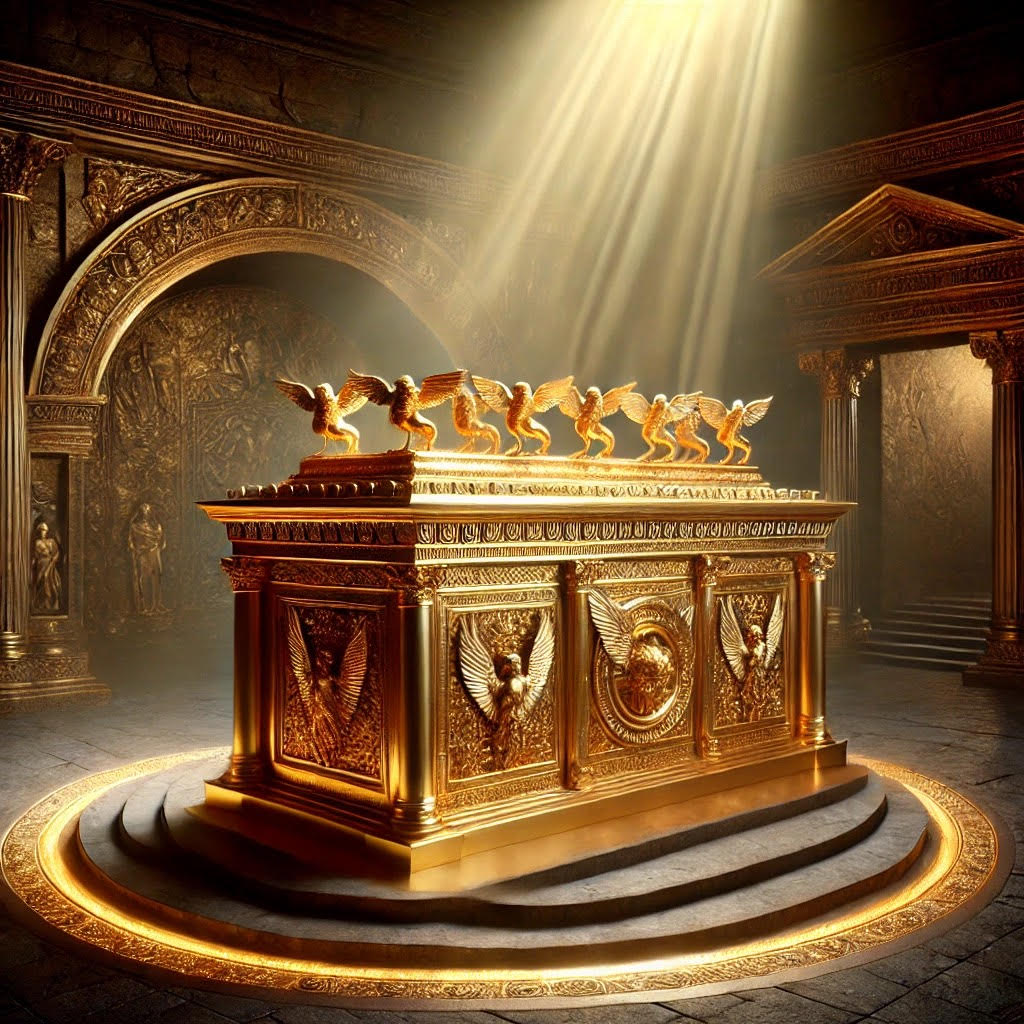
The Ark of the Covenant was a sacred chest, built by the Israelites under divine instruction (Exodus 25:10-22). It was made of acacia wood, overlaid with gold, and adorned with two cherubim on its lid, known as the “Mercy Seat.”

Significance of the Ark

1. Symbol of Divine Presence: The Ark represented God’s tangible presence among the Israelites. It was carried during their journey through the wilderness and into battles as a source of protection and divine guidance.

2. Container of Sacred Relics: The Ark held the stone tablets of the Ten Commandments, a golden jar of manna, and Aaron’s rod that budded (Hebrews 9:4).

3. Worship and Ritual: Housed in the Holy of Holies within the Tabernacle (and later Solomon’s Temple), it was central to Jewish worship. Only the high priest could approach it, and then only on Yom Kippur, the Day of Atonement.

The Mystery of the Ark’s Disappearance

The Ark vanished from historical records around the time of the Babylonian conquest of Jerusalem in 586 BCE. Its fate remains unknown, giving rise to numerous theories about its location and status.

Chon

Theories on the Ark’s Whereabouts

1. Hidden in Jerusalem: Some believe the Ark was hidden beneath the Temple Mount to protect it from invaders.

2. Transported to Ethiopia: Ethiopian tradition claims the Ark resides in Axum, in the Church of Our Lady Mary of Zion, guarded by a single monk who dedicates his life to its protection.

3. Lost or Destroyed: Some scholars speculate the Ark was destroyed during the Babylonian invasion or lost over time.

4. Knights Templar Connection: Medieval legends suggest the Knights Templar found the Ark during the Crusades and transported it to Europe, but no evidence supports this claim.

Scientific and Historical Research on the Ark

While the Ark is primarily a religious artifact, it has drawn significant interest from archaeologists, historians, and scientists. Key research and investigations include:

1. Excavations in Jerusalem

• Archaeologists have conducted extensive digs around the Temple Mount, but access is limited due to its religious and political sensitivity. No direct evidence of the Ark has been found.

2. Mount Nebo Theories

• Some researchers believe the Ark could be hidden in Mount Nebo (modern-day Jordan), based on a reference in 2 Maccabees 2:4-8, which suggests that the prophet Jeremiah hid it there.

3. Ethiopian Claims

• The Ethiopian Orthodox Church has steadfastly maintained that the Ark resides in Axum. Scholars like Edward Ullendorff have investigated these claims, but no definitive proof has emerged. The church prohibits external examination of the artifact, further deepening the mystery.

4. Documentary and Forensic Investigations

• Various documentaries have attempted to trace the Ark’s journey, exploring theories from Africa to the Middle East. These efforts, while fascinating, remain speculative.

Ethiopia: A Keeper of Christian Faith

Ethiopia holds a unique position in Christian history and tradition. One of the oldest Christian nations in the world, Ethiopia adopted Christianity in the 4th century under King Ezana. The Ethiopian Orthodox Church is central to this legacy, preserving ancient Christian traditions and artifacts, including claims to the Ark of the Covenant.

Chon

Significance of Ethiopia’s Christian Heritage

1. Axum and the Ark

• The city of Axum is a spiritual center for Ethiopian Christianity. The Church of Our Lady Mary of Zion is believed to house the Ark, underscoring Ethiopia’s role as a guardian of biblical tradition.

2. The Ethiopian Bible

• The Ethiopian Orthodox Church preserves one of the oldest and most complete biblical canons, including books not found in other Christian traditions.

3. Monastic Traditions

• Ethiopia’s monasteries, often in remote and rugged locations, have been vital in safeguarding Christian texts and traditions through centuries of external threats.

4. Connection to Early Christianity

• Ethiopia is mentioned in the Bible (e.g., Acts 8:26-40, the story of the Ethiopian eunuch), highlighting its early connection to the Christian faith.

Ethiopia’s steadfast devotion to its faith, even in the face of invasions and isolation, has cemented its role as a cornerstone of Christianity in Africa and the world.

Conclusion

The Ark of the Covenant remains one of history’s greatest mysteries. Its spiritual significance, coupled with its disappearance, has inspired countless theories and investigations. While no definitive evidence of its location has been found, Ethiopia stands out as a beacon of faith and tradition, preserving the story of the Ark and its connection to Christian heritage.

Whether hidden beneath Jerusalem, resting on Mount Nebo, or safeguarded in Axum, the Ark’s legacy continues to inspire awe and devotion. As a symbol of divine presence and covenant, it challenges us to reflect on the enduring power of faith and the mysteries of the past.

Chon

References and Further Reading

1. The Bible: Exodus 25, 2 Samuel 6, 1 Kings 8.

2. Edward Ullendorff, The Ethiopians: An Introduction to Country and People.

3. Tudor Parfitt, The Lost Ark of the Covenant: Solving the 2,500-Year-Old Mystery of the Fabled Biblical Ark.

4. Graham Hancock, The Sign and the Seal: The Quest for the Lost Ark of the Covenant.

5. Archaeological reports from the Israel Antiquities Authority and Mount Nebo excavations.

6. Ethiopian Orthodox Tewahedo Church resources on the Ark and Axum.

Ethiopia’s role as a guardian of faith ensures that the mystery of the Ark, whether tangible or symbolic, remains alive for future generations.

I want to thank you for being part of this community. If you’re in the mood for some shopping, be sure to check out the Amazon affiliate links attached to this blog. From top-rated home essentials to self-care favorites, you find something perfect for the season. (As an Amazon Associate, I earn from qualifying purchases.)

Buy Now

Chon

Chon

Chon

Buy Now

Chon

Share this:

Top Home Essentials for Every Season

This is how I am feeling today. How about you?

I appreciate you being part of this community. Thank you for staying even when I don’t have anything to talk about. If you’re in the mood for some shopping, be sure to check out the Amazon affiliate links attached below. From top-rated home essentials to self-care favorites, you find something perfect for the season. (As an Amazon Associate, I earn from qualifying purchases.)

https://amzn.to/40t4N2z

https://amzn.to/40dYJcG

https://amzn.to/4j4sq8J

https://amzn.to/4j5HrqW

https://amzn.to/40acTeP

https://amzn.to/3WcIj3g

https://amzn.to/3WebbIu

https://amzn.to/4acmFlf

https://amzn.to/3Ps61EX

https://amzn.to/3Ps61EX

East Africa’s Volcanic Transformation: The Future Ocean

The East African Rift is causing significant geological changes with the potential to split the continent into two, creating a new ocean in millions of years. This transformation presents both economic opportunities, like increased trade and mineral access, and challenges, including infrastructure needs and community displacement, while intertwining with cultural and spiritual narratives.

East Africa is currently witnessing one of the most remarkable geological phenomena on Earth—ongoing volcanic and tectonic activities that could eventually reshape the continent. The East African Rift, a tectonic boundary stretching over 3,000 kilometers from the Red Sea to Mozambique, is at the center of this transformation. Scientists believe this rift may one day split the African continent into two, creating a new ocean and redefining global geography.

The Science Behind the Rift and Volcanic Activity

The East African Rift is a divergent tectonic plate boundary where the African Plate is splitting into the Nubian Plate (to the west) and the Somali Plate (to the east). This process is driven by molten rock rising from the Earth’s mantle, causing the crust to thin, stretch, and eventually crack. Over time, these cracks lead to volcanic activity and the formation of new geological structures. For example, Ethiopia’s Erta Ale volcano, known as the “Gateway to Hell,” and Mount Nyiragongo in the Democratic Republic of Congo are among the most active in the region.

The most dramatic possibility is the eventual separation of East Africa. Geologists estimate that in approximately 5 to 10 million years, the Somali Plate could fully detach from the Nubian Plate, leading to the creation of a new ocean, similar to how the Red Sea formed millions of years ago. This process would transform countries like Ethiopia, Kenya, and Tanzania into coastal nations on the edge of a newly formed body of water.

Social and Economic Implications for East Africa

The potential splitting of Africa and the formation of a new ocean carry profound implications for East African countries:

  1. Economic Opportunities:
    The creation of new coastlines could unlock significant economic benefits. Coastal access could boost trade, tourism, and fisheries for countries like Ethiopia, which is currently landlocked. Additionally, the geological changes may expose valuable mineral deposits, including rare earth elements critical for modern technology.
  2. Infrastructure Challenges:
    However, adapting to this transformation will require substantial investment in infrastructure. Cities, roads, and industries located along the rift may face displacement due to earthquakes, volcanic eruptions, and land subsidence.
  3. Social Disruption:
    Communities living along the rift may face displacement due to seismic activity and lava flows. Governments and humanitarian organizations must prepare to address these challenges through relocation plans and disaster preparedness programs.

Religious and Cultural Context

In Ethiopia and the broader East African region, the ongoing geological events resonate with religious and cultural narratives. Ethiopia, often referred to as the “Land of Origins,” holds a unique place in biblical history and Orthodox Christianity. Some religious scholars interpret these geological changes as signs of divine intervention or prophetic fulfillment, echoing biblical passages about the Earth’s transformation.

For instance, the Bible frequently references natural events, such as earthquakes and changes in the land, as symbolic of divine action. For deeply religious communities, the shifting Earth may reinforce faith, invoking both awe and reverence for the power of creation. These interpretations add a spiritual dimension to what is already a profound scientific phenomenon.

The Timeline for Change

While the ultimate splitting of Africa and the formation of a new ocean are on a timescale of millions of years, the immediate effects of the East African Rift are already visible. Increased volcanic eruptions, earthquakes, and ground fissures highlight the dynamic nature of this region. These changes provide scientists with valuable insights into plate tectonics, helping to refine predictive models and improve safety measures for affected communities.

Conclusion

The ongoing volcanic activities in East Africa are more than just geological events; they represent a profound transformation with the potential to reshape the continent’s future. While the timeline for Africa’s split spans millions of years, the current effects are a reminder of the Earth’s dynamic nature and the interplay between science, society, and spirituality. As East African countries navigate these changes, they have the opportunity to turn challenges into economic opportunities, guided by both scientific understanding and cultural resilience. The story unfolding in the East African Rift is not just about a new ocean but about humanity’s ability to adapt and thrive in the face of monumental change.

I want to thank you for being part of this community. If you’re in the mood for some shopping, be sure to check out the Amazon affiliate links attached to this blog. From top-rated home essentials to self-care favorites, you might find something perfect for the season. (As an Amazon Associate, I earn from qualifying purchases.)

https://amzn.to/4j4sq8J

https://amzn.to/4j5HrqW

https://amzn.to/40acTeP

https://amzn.to/3WcIj3g

https://amzn.to/3WebbIu

https://amzn.to/4acmFlf

Top Amazon Best Sellers You’ll Love: Must-Have Picks for Everyday Comfort and Style

Looking for products that combine quality, functionality, and a little luxury? We’ve rounded up some of the top creator best sellers on Amazon that people can’t stop raving about. These items are perfect for enhancing your lifestyle, whether you’re upgrading your home, embracing self-care, or staying connected. Plus, when you purchase through these links, you support this blog (at no extra cost to you)—thank you!

1. Beckham Hotel Collection Bed Pillows

Achieve hotel-level comfort every night with the Beckham Hotel Collection bed pillows. These luxurious pillows are ultra-soft, supportive, and hypoallergenic, making them perfect for all sleep positions. They’ve become a favorite among Amazon shoppers for their plush feel and durability. Transform your sleep with these top-rated pillows that offer five-star relaxation.

https://amzn.to/4j1lgSK

2. BIODANCE Real Deep Mask

Pamper your skin with the Biodance Real Deep Mask, a skincare essential that hydrates, soothes, and revitalizes. Infused with natural ingredients, this mask is perfect for an at-home spa experience. It’s an absolute must-have for glowing, healthy skin, as recommended by beauty enthusiasts everywhere.

https://amzn.to/3BVMDNn

3. Amazon Echo Dot

Smart living starts here! The Amazon Echo Dot is more than just a speaker—it’s your personal assistant. From playing music to setting reminders and controlling smart home devices, this compact gadget makes life easier and more efficient. It’s sleek, stylish, and an affordable way to upgrade your tech game.

https://amzn.to/422Xu2H

4. LEVOIT Air Purifier

Breathe easier with the Levoit Air Purifier, a bestseller for maintaining clean and fresh air at home. It’s perfect for removing allergens, pet dander, and pollutants, making it a great choice for families and pet owners. With its quiet operation and modern design, it blends seamlessly into any room.

https://amzn.to/3BY3Q8O

5. Beats Studio Pro and Bose QuietComfort Bluetooth Headphones

For audiophiles, these headphones are the ultimate must-haves. The Beats Studio Pro delivers powerful sound with a sleek design, while the Bose QuietComfort headphones provide unmatched noise cancellation and crystal-clear audio. Whether you’re working, traveling, or relaxing, these headphones elevate your listening experience.

https://amzn.to/3PqtI0i

https://amzn.to/4fRtwlj

6. Stanley Quencher H2.0 FlowState Stainless Steel Vacuum Insulated Tumbler with Lid and Straw for Water, Iced Tea or Coffee

Stay hydrated in style with the Stanley Quencher H2.0 water bottle. Known for its durability and large capacity, this bottle keeps drinks cold for hours and is perfect for workouts, road trips, or everyday use. Its trendy design has made it a social media sensation—and for good reason!

Each of these products is highly rated and beloved by creators and customers alike. Click the links to check them out for yourself, and let us know your favorites! By shopping through these recommendations, you help support this blog so we can keep bringing you the best. Happy shopping!

(As an Amazon Associate, I earn from qualifying purchases.)
https://amzn.to/4h0bTkq

The Importance of Physical Health and How a Walking Pad Treadmill Can Help

Physical health is the cornerstone of a fulfilling life, influencing not only your physical well-being but also your mental and emotional balance. Regular movement improves cardiovascular health, boosts energy levels, and reduces the risk of chronic conditions like diabetes and hypertension. Beyond the physical benefits, staying active enhances mental clarity, reduces stress, and promotes better sleep—helping you tackle daily challenges with vigor. However, in today’s busy world, finding time for exercise can be a challenge, especially for those balancing work-from-home routines and family responsibilities.

This is where a walking pad treadmill becomes a game-changer. Compact and convenient, it allows you to integrate movement into your daily schedule without compromising productivity. Whether you’re working at a desk or catching up on your favorite shows, a walking pad lets you stay active indoors, rain or shine. By making movement more accessible and less time-consuming, this modern solution supports your physical health goals, ensuring you stay active and energized no matter how hectic life gets. Invest in your well-being with a walking pad treadmill—because your health is always worth it.

Here are three affordable Amazon favorites to help you achieve your new year’s health resolution.

  • Sunny Health & Fitness Heavy Duty Treadmill for Home
  • Sperax Walking Pad,2.5HP Under Desk Treadmills for Home,320 Lbs Capacity 3 in 1 Portable Walking Treadmill
  • Peloton Indoor Exercise Bikes, Original Peloton Bike and Bike+

This post contains affiliate links. If you purchase through these links, I may earn a small commission at no extra cost to you. Thank you for your support.

Chon

Sperax Walking Pad,2.5HP

Under Desk Treadmills for Home,3 in 1 Portable Walking Pad,320 Lbs Capacity Treadmill

Chon

Peloton

Peloton Indoor Exercise Bikes, Original Peloton Bike and Bike+

Chon

Sunny Health & Fitness

Heavy Duty Treadmill for Home, 20” Wide Deck, 15 Level Auto Incline, 300 LB Weight Capacity, Foldable Running Machine, Digital Monitor, Free SunnyFit App Bluetooth Connection